
Waste Incineration: Combustion, Energy Recovery, and Environmental Controls
Overview of waste incineration: how controlled combustion reduces waste, recovers thermal energy for electricity or district heating, and relies on emission controls and ash management to limit environmental risks.
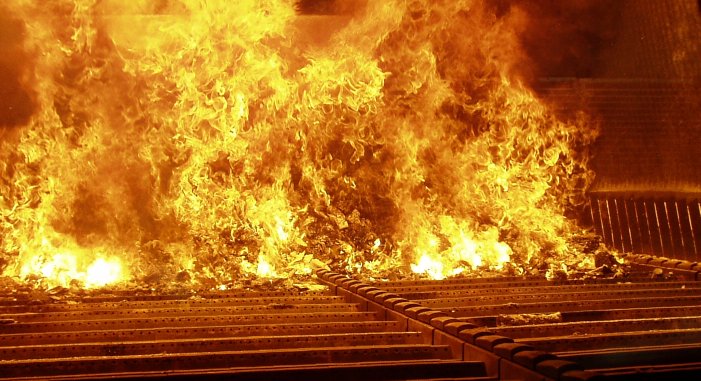
Incineration is the controlled combustion of waste materials as a method of disposal. When waste is burned, it is transformed into solid residues, gases released from the stack, and thermal energy. The solid residue left behind is commonly referred to as ash, while the process produces heat and airborne emissions that require treatment before release.
Image gallery
10 Images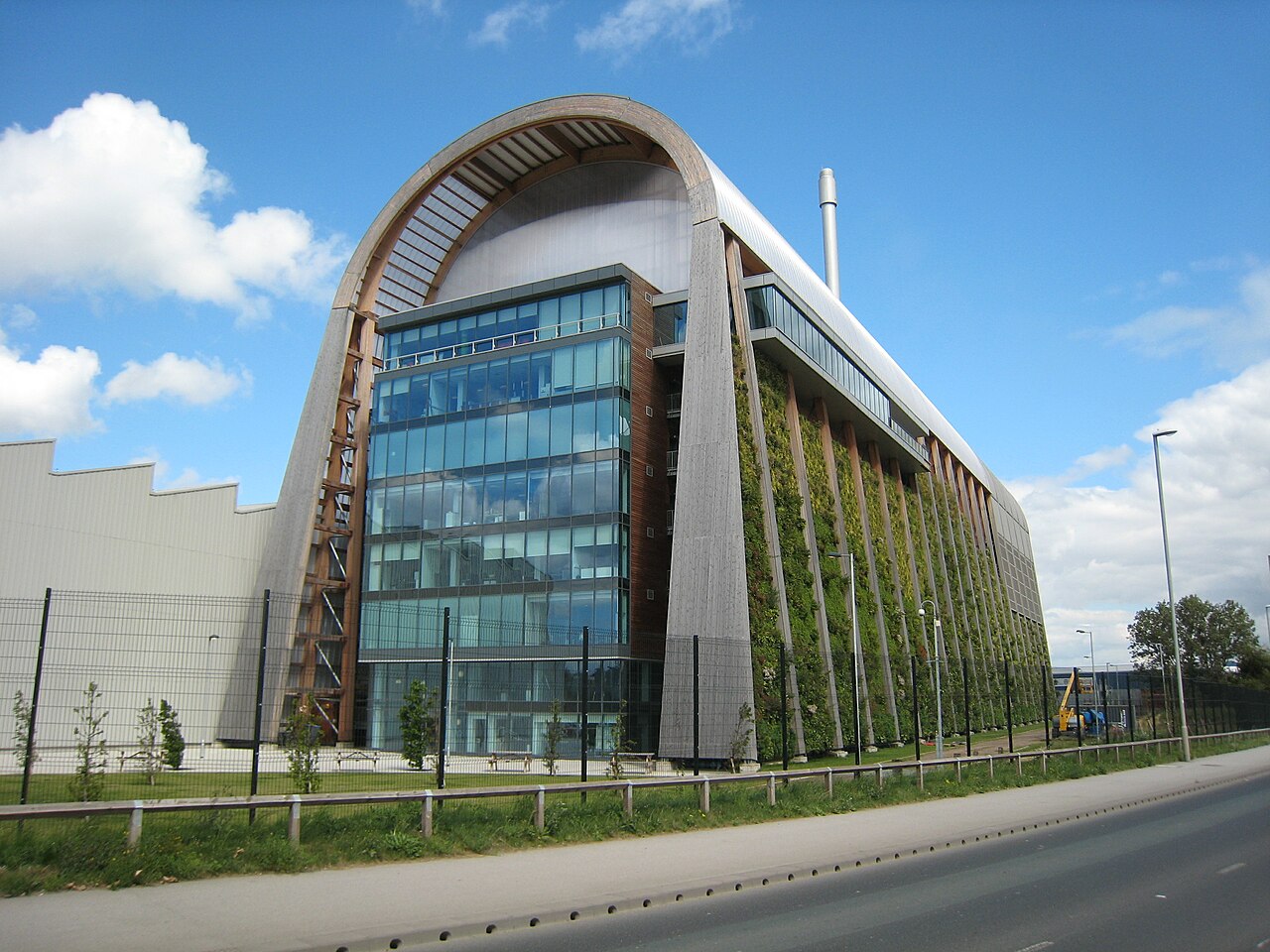





Process and outputs
A typical incineration plant feeds refuse into a combustion chamber where high temperatures reduce organic matter. The main outputs are:
- Bottom ash and finer particles collected from the flue stream (together referred to as ash).
- Flue gases that contain water vapor, carbon dioxide, and smaller amounts of pollutants; these gases are passed through cleaning systems.
- Recoverable thermal energy that can be captured for useful purposes (heat).
Energy recovery
Modern facilities often recover the thermal energy produced by burning waste. That heat can be used directly for district heating or to produce electricity. Steam raised in boilers drives turbines to generate power; for electricity production a generator is coupled to a steam turbine to convert the thermal energy into electrical energy. Many plants operate as combined heat and power (CHP) units to improve overall efficiency.
Environmental controls and health considerations
Incineration reduces the volume of waste and can destroy pathogens, but it also creates concerns about air pollution and hazardous residues. Emissions of particulates, acid gases, heavy metals, and toxic organic compounds can occur if not properly controlled. To limit releases, plants use technologies such as electrostatic precipitators, fabric filters, scrubbers, and catalytic or thermal post-combustion systems, together with continuous emissions monitoring and regulatory limits.
Residue management
The ash produced is separated into coarse bottom ash and finer fly ash. Bottom ash is often processed to recover metals and may be reused in construction after treatment; fly ash can contain concentrated toxic substances and typically requires stabilization and safe disposal in engineered landfills or special containment. Recovery of metals from ash streams is an established part of many modern operations.
Advantages and disadvantages
- Advantages: significant reduction in waste volume and mass, destruction of hazardous organics and pathogens, and potential to recover energy.
- Disadvantages: capital and operating costs, generation of residues requiring disposal, greenhouse gas emissions, and the need for stringent pollution control to protect air quality and public health.
Current practice
Contemporary incineration facilities are designed to meet strict environmental standards and to maximize energy recovery where feasible. Decisions about using incineration versus alternative waste-management strategies depend on local waste composition, regulatory frameworks, economics, and priorities for recycling and resource recovery.
Related articles
Author
AlegsaOnline.com Waste Incineration: Combustion, Energy Recovery, and Environmental Controls Leandro Alegsa
URL: https://en.alegsaonline.com/art/47008
Sources
- ciwm.activedition.com : "Centenary History of Waste and Waste Managers in London and South East England"
- epa.gov : "Energy Recovery - Basic Information"