
Hurling — Ireland’s traditional field sport (hurley and sliotar)
Hurling is an ancient Irish stick-and-ball field sport played by teams of 15 using a hurley and a sliotar. It is fast, skillful, and a core part of Irish sporting and cultural life.
Hurling is a traditional Irish field sport played by two teams of 15 players. It is centered on using a wooden stick called a hurley or camán and a small hard ball called a sliotar. The objective is to send the sliotar through the opponent’s goalposts: over the crossbar for one point, or under the crossbar into a net for a goal (worth three points). Hurling is sometimes compared to other stick-and-ball games, but it has unique skills, rules and cultural importance in Ireland and among the Irish diaspora. See the Irish names and pronunciation in the Irish language entry.
Image gallery
10 Images


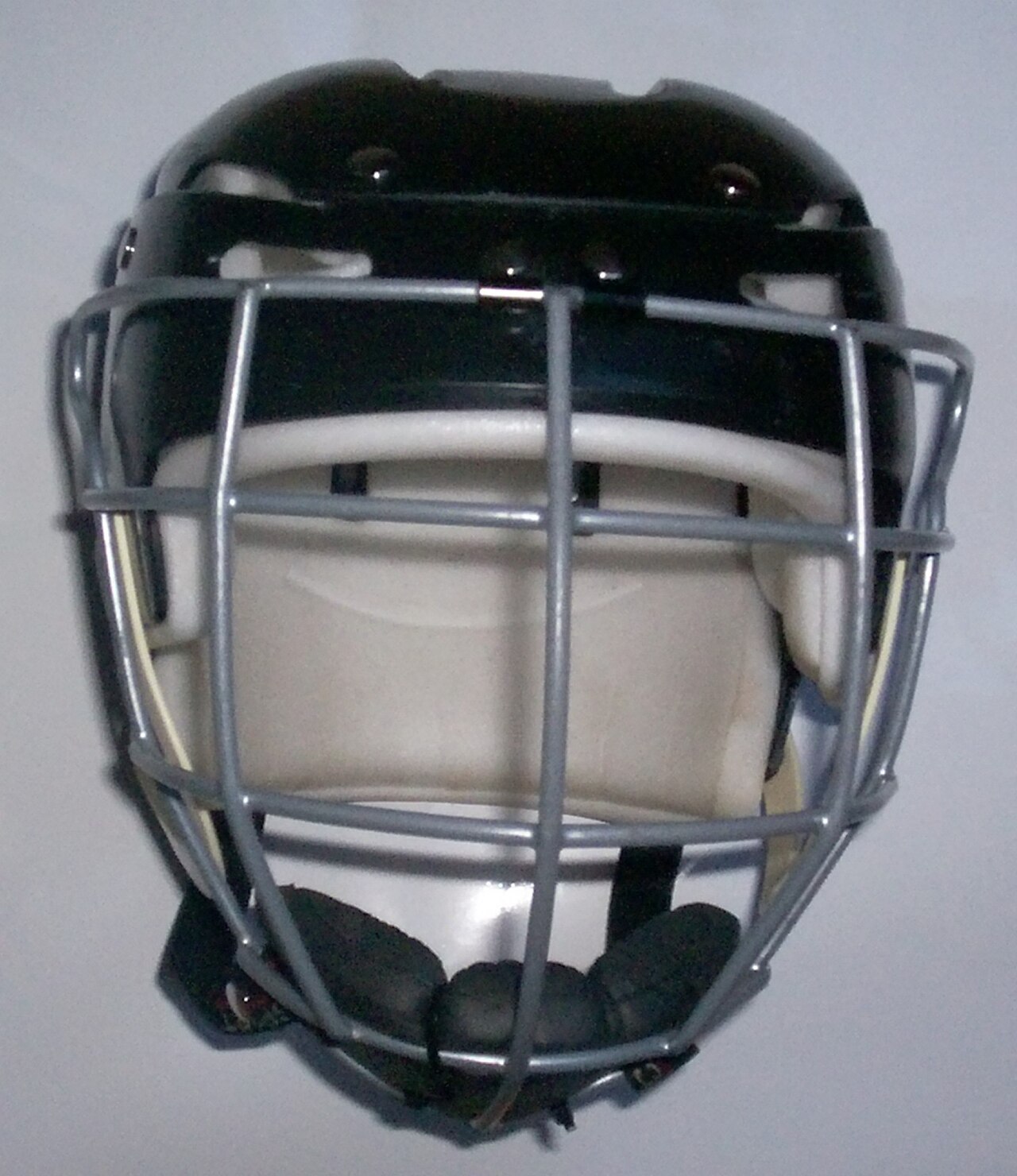


Equipment and playing area
The primary equipment is the hurley (a curved wooden stick) and the sliotar (a stitched leather ball). Players wear protective helmets and, at youth levels, additional padding is common. Matches are played on a large rectangular grass pitch with H-shaped goalposts at each end and markings for sideline and 65-metre frees. A goalkeeper protects the goalmouth. For basic references about gear and positions consult hurley information and sliotar details.
Basic rules and common skills
Hurling encourages ball control, speed and striking accuracy. Some of the core rules and skills include:
- Carrying and soloing: A player may catch the ball and carry it for a limited number of steps. To travel further without being penalised a player must "solo" the ball — dropping and kicking or balancing it on the hurley.
- Striking and passing: The ball can be struck in the air or on the ground by the hurley, or passed by a hand-pass (slapping the ball with an open hand) or a kicked pass for short distances.
- Tackling: Shoulder-to-shoulder contact is allowed, and players may hook or block an opponent’s hurley under prescribed rules. Dangerous play is penalised.
- Scoring: Points are scored by sending the sliotar over the crossbar; goals under the bar count as three points. Officials enforce fouls, frees and sidelines.
For official rule summaries and competitive structures consult governing bodies and sport guides such as team sport overviews and national associations.
History and cultural importance
Hurling is deeply rooted in Irish history and folklore, with references to stick-and-ball contests appearing in medieval literature and legend. The modern, codified sport developed in the 19th century as part of a broader revival of Irish cultural and athletic life; national organisations helped standardise rules and promote competitions. Hurling remains a central element of community identity in many counties and is celebrated annually in inter-county and club championships. For historical background see comparative histories and organisational histories at association resources.
Variations, competitions and notable facts
Related games include camogie (the female code of hurling) and regional stick-and-ball sports such as shinty. Major competitions range from local club championships to the prestigious All-Ireland series, which attracts large crowds and wide media coverage. Hurling is often described as one of the fastest field sports on grass, prized for its combination of bravery, hand-eye coordination and tactical play. Practical introductions and coaching resources are available for new players through community clubs and youth programmes; see local club information and coaching guides at club resources and cultural references.
Whether experienced at a village pitch or a county stadium, hurling remains a vivid expression of Irish sporting tradition, blending ancient roots with organised modern competition and community engagement. For further reading and multimedia resources consult equipment guides, ball descriptions and governing-body materials at competition pages.
Questions and answers
Q: What is hurling?
A: Hurling is an Irish outdoor team sport similar to hockey, played by two teams of 15 people.
Q: What is the objective of the game?
A: The objective of the game is for players to use a wooden axe-shaped stick called a hurley or a hurl to hit a small ball called a sliotar between the opponents' goalposts either over the crossbar for one point, or under the crossbar into a net guarded by a goalkeeper for one goal, which is equivalent to three points.
Q: How can the ball be played in hurling?
A: The ball can be caught in the hand and carried for not more than four steps, struck in the air, or struck on the ground with the stick.
Q: Can the ball be kicked or slapped with an open hand?
A: Yes, the ball can be kicked or slapped with an open hand, which is known as a hand pass, for short-range passing.
Q: Are there any limitations on carrying the ball in hurling?
A: Yes, a player who wants to carry the ball for more than three steps has to bounce or balance the ball on the end of the stick, and the ball can only be handled twice while in his possession.
Q: What is the stick used in hurling called in Irish?
A: The stick used in hurling is called a camán in Irish.
Q: What is the small ball called in hurling?
A: The small ball used in hurling is called a sliotar, pronounced as slith-er.
Related articles
Author
AlegsaOnline.com Hurling — Ireland’s traditional field sport (hurley and sliotar) Leandro Alegsa
URL: https://en.alegsaonline.com/art/45814