
Hockey: overview, history, rules, equipment and variations
Hockey is a family of stick-and-ball/puck sports—most commonly ice and field hockey. This article explains key forms, equipment, rules, history, cultural importance and notable variations.
Overview
Hockey refers to several team sports in which players use a curved stick to direct a ball or puck into an opponent's goal. The objective is to outscore the other side by creating and converting scoring chances while defending one’s own net. Ice hockey and field hockey are the two best-known forms, but roller hockey, floorball and sled hockey are also widely played. For general introductions and resources, see further reading.
Image gallery
10 Images


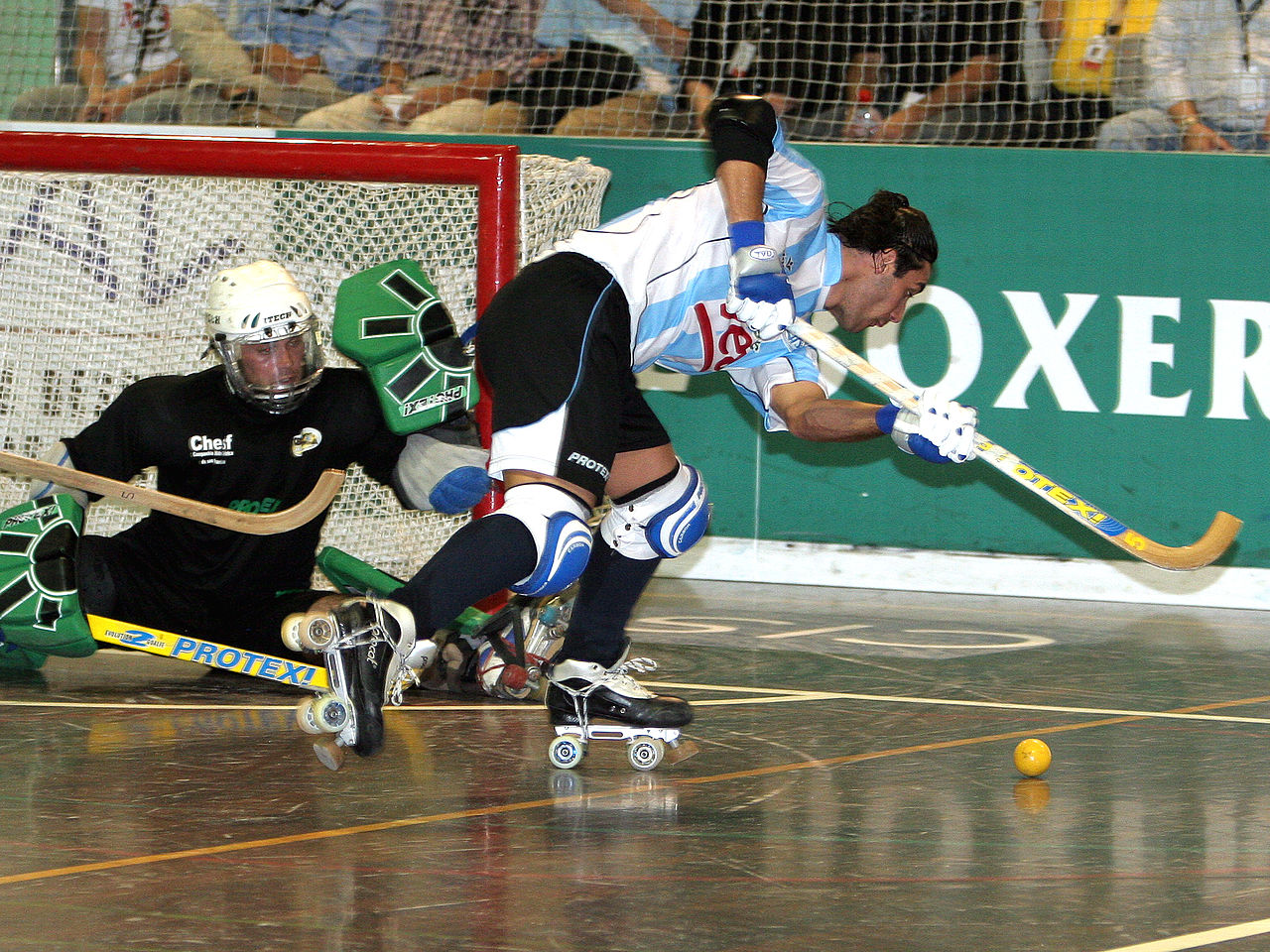


Forms and equipment
Different forms of hockey use distinct playing surfaces and objects. Ice hockey uses a vulcanized rubber puck on an ice rink; field hockey uses a hard ball on grass or artificial turf. Typical equipment includes a stick, protective clothing and footwear appropriate to the surface—skates for ice hockey, cleats for field hockey. Goalkeepers wear specialized padding across all major variants.
- Ice hockey: sticks, puck, skates, helmets, pads.
- Field hockey: sticks, ball, shin guards, mouthguards.
- Other forms: roller skates or sleds and simplified gear for recreational play.
History and development
The origins of stick-and-ball games date back centuries in many cultures. The modern names and standardized rules evolved in the 19th century. The word "hockey" may trace to older European words meaning shepherd's staff, and different regional traditions combined into the organized games known today. In North America, players and organizers at universities helped formalize ice hockey in the late 1800s; influential early figures brought rules and regular competition to public rinks and clubs.
Rules, positions and play
Team size and match structure vary by form, but common roles include forwards, defenders and a goalkeeper. Games are divided into periods or halves; play alternates between attack and defense as teams transition. Rules govern offside, fouls, contact and how the ball or puck may be played. Penalties and free hits or power plays restore fairness after infractions.
- Typical positions: goalie, defenders, midfielders/centers, forwards.
- Scoring requires the object to fully cross the goal line under the applicable rules.
- Play emphasizes speed, positioning, passing and shot accuracy.
Cultural significance and variations
Hockey plays major cultural roles in countries such as Canada, parts of Europe, India and Australia, with strong community leagues, professional competitions and Olympic representation. Variants exist to increase accessibility and adapt to climate: indoor hockey, street hockey, floorball and sled hockey for athletes with disabilities illustrate the sport’s adaptability. Distinctions such as rules, equipment and playing surface define each variant and influence tactics, pace and physicality.
Related articles
Author
AlegsaOnline.com Hockey: overview, history, rules, equipment and variations Leandro Alegsa
URL: https://en.alegsaonline.com/art/44623