
Ice hockey at the Olympic Games
Overview of Olympic ice hockey: history from 1920, men's and women's tournaments, format changes, notable moments, eligibility of professionals, and records including Canada's gold-medal lead.
Overview
Ice hockey has been part of the Olympic program for more than a century and is among the most prominent team events at the Winter Olympic Games. Played on ice by national teams, the sport combines speed, skill, and physical contact and draws intense media and public attention during each Olympic edition. The Olympic tournaments are organized in coordination with the International Ice Hockey Federation and the International Olympic Committee and often reflect broader trends in international hockey, including changes in eligibility, playing style and global participation. For a general introduction see ice hockey and the broader context of the Olympic Games.
Image gallery
10 Images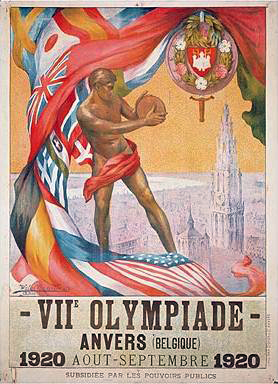





History and origins
The first Olympic ice hockey competition took place at the 1920 Summer Olympics, staged in Antwerp, where indoor ice facilities made the event possible. The men's tournament moved to the inaugural Winter Olympic program in 1924 and has been contested at every Winter Games since. A separate women's tournament was introduced at the 1998 Winter Olympics, reflecting growing international participation in the women's game and the sport's expanding global profile. The 1920 debut is often cited as the formal beginning of Olympic ice hockey history; for details on that event see materials on the 1920 Summer Olympics, and for the women's introduction see the 1998 Winter Olympics coverage.
Eligibility and the role of professionals
Eligibility rules have evolved markedly. For much of the 20th century, the Olympic movement emphasized amateur competition, a distinction that affected which players and teams could take part. Some countries fielded players who were officially amateurs but trained and competed at a high level through state-sponsored systems. From the late 20th century, restrictions on professionals were relaxed and NHL players were first included in Olympic rosters beginning with the Nagano Games and were present in several subsequent editions. The participation of top professional-league players has altered tournament balance and public interest; however, decisions by professional leagues about releasing players have varied across different Olympic years, influencing team selection and preparation.
Format, rules and competition structure
Tournament formats have changed repeatedly. Early tournaments had small fields and simple knockout formats, while modern editions typically use qualification rounds, preliminary groups and knockout playoff stages that culminate in medal games. Rules for overtime, tie-breaking and use of shootouts have been adapted from international ice hockey regulations to fit Olympic scheduling and television needs. Differences between international and North American styles — including rink size and some officiating interpretations — shape tactical approaches and can advantage teams accustomed to one style or the other.
Notable teams, moments and trends
Several nations have left a strong mark on Olympic ice hockey. The Soviet Union established a long period of dominance in the mid-20th century, while Canada, the United States and various European nations have each produced memorable teams and landmark results. The 1980 U.S. victory over the Soviet team in Lake Placid — commonly called the "Miracle on Ice" — ranks among the sport's most famous Olympic moments. In the modern era, home-ice tournaments and the presence (or absence) of top professionals have produced dramatic finals and close contests. The introduction of the women's tournament created a sustained rivalry between Canada and the United States, which have frequently been the strongest teams in that competition.
Records and medal leaders
Medal tables reflect changing eras: some nations dominated in the amateur era, while others have risen in prominence with the globalization of the sport. Canada holds the record for the most Olympic gold medals in ice hockey across men's and women's tournaments combined, a mark that underlines its long-standing hockey tradition. National federations and the IIHF maintain detailed medal histories and statistical records for those seeking full medal lists and player-level statistics.
Significance and legacy
Olympic ice hockey serves multiple roles: it is a showcase for national rivalry and pride, a stage where professional and amateur traditions meet, and an influence on player development and international schedules. Olympic performances can boost domestic interest in the sport, affect coaching and youth programs, and create enduring memories for players and fans. For national histories and further information on specific editions and results, readers often consult resources on prominent hockey nations such as Canada and dedicated Olympic event pages.
Quick facts
- First Olympic appearance for ice hockey: 1920 (men, Summer Games), moved to Winter Olympics in 1924.
- Women's tournament added at the 1998 Winter Olympics.
- Tournament formats have varied: qualifying rounds, group stages and knockout playoffs are common in modern editions.
- Amateur rules governed early participation; professional player involvement expanded in the late 20th and early 21st centuries.
Further reading
For historical overviews and specific tournament details, consult general articles on ice hockey, official summaries of the Olympic Games, and dedicated pages on landmark editions such as the 1920 Summer Olympics and the 1998 Winter Olympics. National federation sites and IIHF publications provide statistics and medal histories for countries including Canada.
Questions and answers
Q: When were ice hockey tournaments first played at the Olympic Games?
A: Ice hockey tournaments were first played at the Olympic Games in 1920.
Q: Was the men's ice hockey tournament ever played at the Summer Olympics?
A: Yes, the men's ice hockey tournament was first played at the 1920 Summer Olympics.
Q: When was the men's ice hockey tournament moved to the Winter Olympics?
A: The men's ice hockey tournament was moved to the Winter Olympics in 1924.
Q: When was the women's ice hockey tournament first held at the Olympics?
A: The women's ice hockey tournament was first held at the 1998 Winter Olympics.
Q: Which country holds the record for the most Gold medals in ice hockey at the Olympics?
A: Canada holds the record for the most Gold medals in ice hockey at the Olympics, with 11.
Q: Does the text mention any other country's achievements in Olympic ice hockey?
A: No, the text only mentions Canada's achievement of holding the record for the most Gold medals in Olympic ice hockey.
Q: How many Gold medals has Canada won in Olympic ice hockey?
A: Canada has won a total of 11 Gold medals in Olympic ice hockey.
Related articles
Author
AlegsaOnline.com Ice hockey at the Olympic Games Leandro Alegsa
URL: https://en.alegsaonline.com/art/46427