
Ice dancing — a discipline of figure skating focused on dance and rhythm
Ice dancing is a competitive form of figure skating derived from ballroom dance. Couples perform rhythm and free programs that emphasize steps, timing, lifts and interpretation rather than high jumps or throws.
Overview
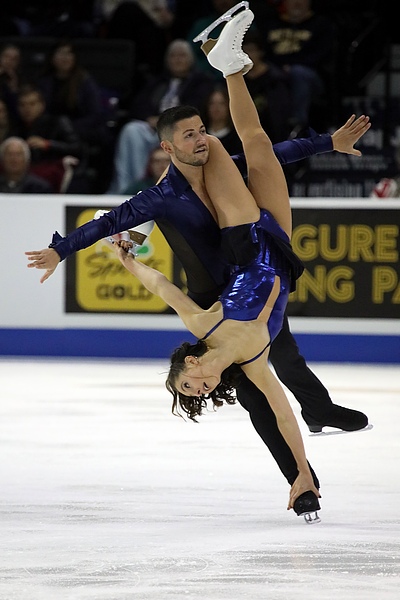
Ice dancing is a discipline of figure skating that emphasizes musical interpretation, precise footwork, close partnering and dance patterns performed on ice. Unlike pair skating, which highlights acrobatic elements such as big throws and multiple-rotation jumps, ice dance centers on steps, timing, edge quality and the relationship between partners. Competitors perform as couples; historically these have been a man and a woman, and the sport’s rules and traditions have developed around partnered dance movement on ice.
Image gallery
10 Images



Structure and competitive format
Modern ice-dance competitions typically consist of two programs: a shorter rhythm program and a longer free dance. The rhythm program requires teams to skate to specific rhythms or styles and to include prescribed elements, while the free dance allows more creative freedom within technical limits. Earlier formats included compulsory and original dances; these were reorganized over time into the current short/rhythm and free segments to balance technical requirements with artistic expression.
Key elements and rules
Ice dancers are judged on both technical execution and program components such as interpretation, timing, and composition. Common technical features include intricate step sequences, twizzles (traveling spins on one foot by each partner), close partner turns, and permitted lifts. Lifts in ice dancing are limited in height and duration compared with pair skating: overhead or sustained shoulder lifts like those in pairs are prohibited, and throws and dangerous acrobatic moves are not allowed. Jumps may appear but are not the focus and are generally simpler than those seen in singles or pairs.
History and development
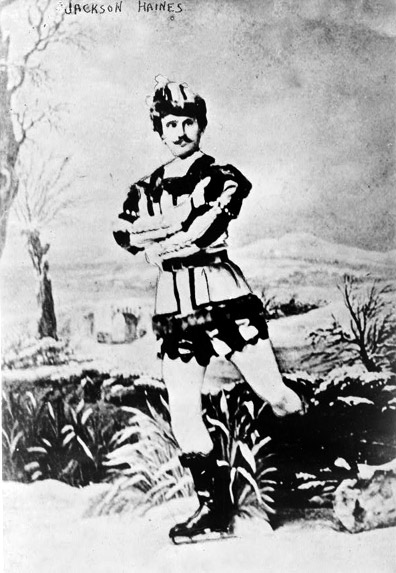
Ice dancing grew out of social and ballroom dance traditions adapted to the ice. It appeared on the world championship program in the early 1950s and was added as a medal event at the Winter Olympic Games in the 1970s. Over subsequent decades the discipline evolved from straightforward pattern dances toward more theatrical and innovative free programs, reflecting changing music styles, choreography trends and judging systems. Notable teams have brought wider public attention to the sport with memorable programs that combined technical precision and expressive storytelling.
Artistic and sporting importance
Ice dancing occupies a unique position between sport and performance art: competitors must meet strict technical standards while creating convincing dance characters and moods on the ice. This dual demand makes ice dance accessible to audiences who respond to music and choreography as well as to technical skating fans. For skaters, it offers a path focused on musicality, partnering skills and detailed edge work rather than on the large airborne jumps of other disciplines.
Typical careers and examples
- Many ice dancers begin in singles or in social dance before specializing in partnered work and pattern dances.
- Successful teams balance athletic training, dance technique and choreographic development to produce programs that satisfy both technical requirements and judges’ expectations for expression.
- Iconic performances—such as classic Olympic and world championship programs—remain influential for coaching, choreography and public interest.
Notable distinctions: ice dancing differs from pair skating in its emphasis on dance holds, step sequences, and musical interpretation; it restricts overhead lifts and dangerous acrobatics and places strong weight on timing and connection between partners. Rules and permitted music have changed over time, reflecting the sport’s adaptation to contemporary dance and audience tastes.
Questions and answers
Q: What is ice dancing?
A: Ice dancing is a form of figure skating that resembles ballroom dancing, where a man and a woman compete as a couple.
Q: When was the first ice dancing competition held?
A: The first ice dancing competition was held at the World Figure Skating Championships in 1952.
Q: When did ice dancing become an official Winter Olympic Games medal sport?
A: Ice dancing became an official Winter Olympic Games medal sport in 1976.
Q: What is the main difference between ice dancing and pair skating?
A: Ice dancing limits the figures to those which are imitative of dance, requires skaters to stay close together, and does not allow jumps. Meanwhile, pair skating is not restricted to being imitative of dance, allows jumps and throws, and does not require skaters to stay close together.
Q: Are there set dances in ice dancing?
A: Yes, there are set dances in ice dancing where the style must be appropriate for the type of dance.
Q: Is there a Free Dance section in ice dancing?
A: Yes, there is a Free Dance section in ice dancing that allows lifts up to shoulder level.
Q: Is ice dancing the only form of figure skating that allows vocal music in official competitions?
A: Yes, ice dancing is the only form of figure skating that allows vocal music in official competitions.
Related articles
Author
AlegsaOnline.com Ice dancing — a discipline of figure skating focused on dance and rhythm Leandro Alegsa
URL: https://en.alegsaonline.com/art/46424