
Ice Fishing: methods, gear, history and safety on frozen waters
Ice fishing is catching fish through holes in frozen lakes and rivers. This article covers methods, common gear, shelters, target species, history, safety guidance and cultural importance.
Ice fishing is the practice of catching fish through an opening cut in the ice of a frozen lake, river or reservoir. It ranges from a solitary pastime—sitting over a single hole with a short rod—to organized tournaments and mobile trips using motorized sleds or trucks. Modern recreational ice anglers use a mix of traditional techniques and contemporary tools to find and take fish during winter months.
Image gallery
10 Images




Equipment and methods
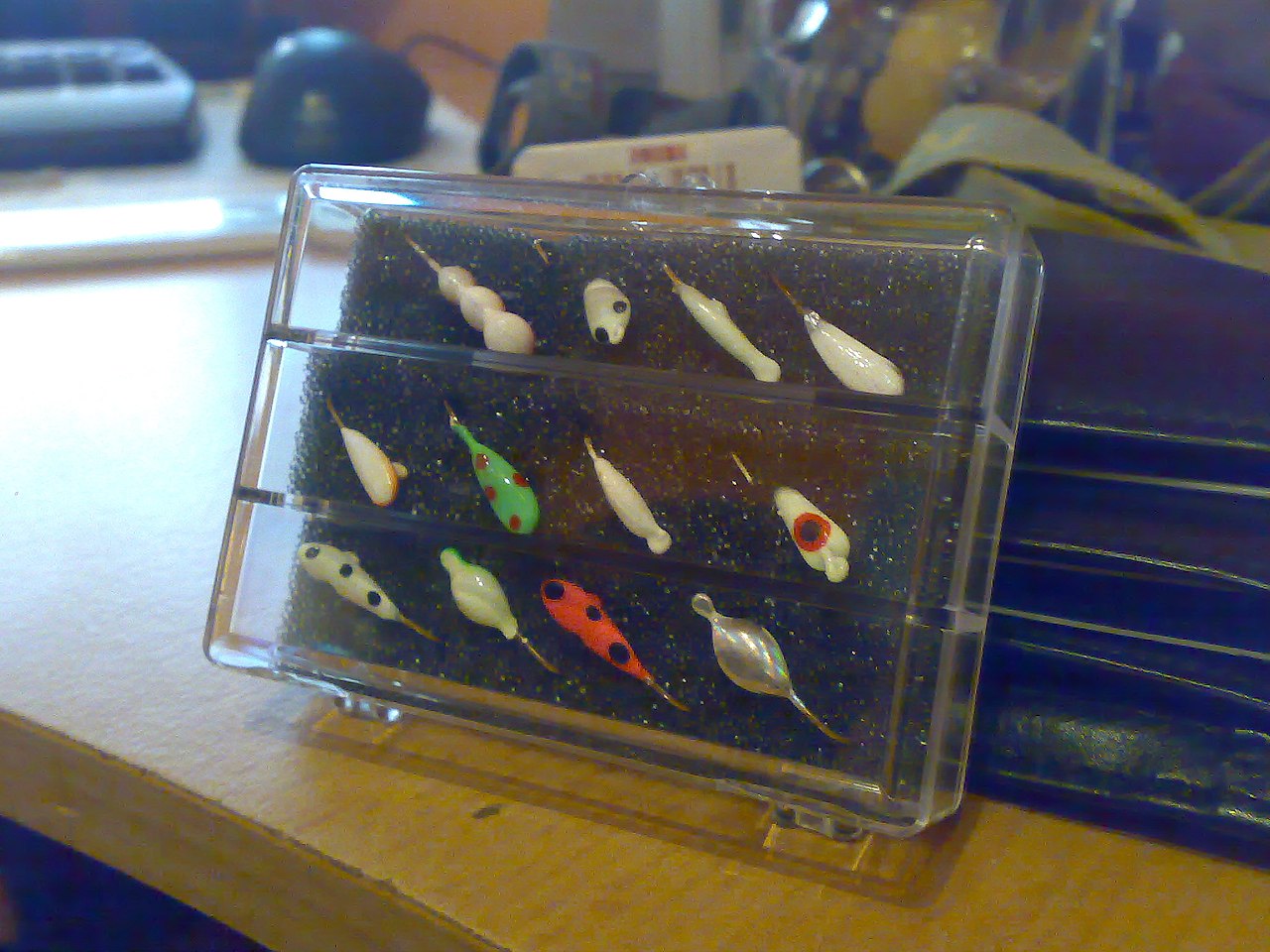
A variety of specialized equipment distinguishes ice fishing from open-water angling. Common tools include hand or power augers to drill holes, short ice rods and reels, tip-ups that signal a strike, and electronics such as sonar or fish finders to locate fish under the ice. Baiting and presentation can be subtle: small jigs, live bait, and slow vertical jigging are typical tactics. Spearing through holes or vents is also practiced in some regions as a traditional or subsistence method.
- Drilling: manual auger, powered auger or chisel
- Lines and tackle: short rods, light jigs, and small hooks
- Detection: sonar, flasher units or simply listening
- Signal devices: tip-ups used for larger species
Shelters, heating and mobility
Many anglers use portable shelters—known variously as ice shacks, huts or houses—to block wind and retain warmth. These range from simple windbreaks to insulated, heated cabins mounted on skids. Heaters may be used inside shelters but require ventilation and caution because of carbon monoxide risks. When anglers prefer mobility, they may fish in the open from a sled or truck-mounted platform, moving between productive holes.
Species, uses and community
Ice fishing targets species that remain active under winter ice, commonly perch, walleye, pike, trout and panfish in temperate regions. For some communities, especially in northern and Arctic areas, it provides subsistence food; in many temperate countries it is a seasonal recreational industry with tournaments and festivals. Ice anglers also contribute to local economies by purchasing gear, rentals and guiding services.
History, traditions and distinctions
People in cold climates have used holes in the ice to take fish for centuries. Indigenous groups developed spearing and netting techniques, and over time recreational forms evolved alongside technological advances such as augers and sonar. Distinct regional practices exist—some anglers emphasize tip-ups and sleepers, while others favor active jigging from portable shelters.
Safety and regulations
Safety is primary: ice thickness, snow cover, currents and temperature changes all affect stability. As a rule of thumb many safety guides recommend treating thin or unclear ice with caution and checking local advisories before venturing out. Anglers commonly carry ice picks, a throwing rope, a spud bar to test ice, life jackets and go with partners when possible. Local regulations may set seasons, size and bag limits, and rules for shelters or motors—check authorities before fishing.
For more on angling techniques, species and local rules, see resources for anglers and authorities: anglers and communities, frozen water conditions and advisories, rod and tackle guides, lines and hooks information, spearing and traditional methods, and shelters, heating and safety.
Questions and answers
Q: What is ice fishing?
A: Ice fishing is the activity of catching fish by creating an opening in the ice that is formed on a body of water during winter.
Q: What are the methods used in ice fishing?
A: There are two widely used methods in ice fishing: fishing with fishing rods, lines, and hooks or fishing with spears.
Q: Can ice fishing be done in the open air?
A: Yes, ice fishing can be done in the open air or out in the open, depending on the person's preference.
Q: What are ice shacks?
A: Ice shacks are enclosures set up on the ice for ice fishermen who prefer to fish in a more controlled environment. They are heated to keep the fishermen warm while they wait for their catch.
Q: How does one maintain the opening in the ice while ice fishing?
A: The opening in the ice can be maintained by constantly breaking the ice and preventing it from re-freezing.
Q: What types of fish can be caught while ice fishing?
A: The types of fish that can be caught while ice fishing include trout, pike, walleye, and crappie among others.
Q: What are the requirements for ice fishing?
A: The requirements for ice fishing include appropriate clothing to withstand cold temperatures, ice fishing gear, proper licenses, and knowledge of the regulations of the area being fished.
Related articles
Author
AlegsaOnline.com Ice Fishing: methods, gear, history and safety on frozen waters Leandro Alegsa
URL: https://en.alegsaonline.com/art/46425
Sources
- farmandfleet.com : "Frabill's Tips for Ice Fishing Beginners"
- gameandfishmag.com : "Modern Ice-Fishing Basics"
- dnr.wi.gov : "Everything You Need to Know About Ice Fishing"
- outdoorlife.com : "Icefishing Tips: Guide to Live Bait"
- fishandboat.com : "Corn for Bait – Chumming"
- unionleader.com : "It's ice fishing time, and here are some tips to make it great"
- outdoorlife.com : "Icefishing: The Art of the Tip-Up"
- littlewinnie.com : "Darkhouse Spearfishing opens a new world"
- lens.blogs.nytimes.com : "Freeze Frames of Canada's Ice Huts"
- wsj.com : "Ice Fishing in the Great Indoors"
- dnr.wi.gov : "Deadlines approach for ice fishing shelter removal"
- commons.wikimedia.org : Ice fishing