
Goalkeeper (sports position)
A goalkeeper is a specialist player in goal-based sports whose primary duty is to stop the opponent from scoring and to organize the team's defence and distribution.
A goalkeeper is a specialized player whose principal role is to prevent the opposing side from scoring. Goalkeepers appear in many team sports; for example, association football is one common context (association football) and ice hockey is another (ice hockey). Across sports the position combines unique rules, protective equipment and a distinctive set of skills that separate goalkeepers from outfield players.
Image gallery
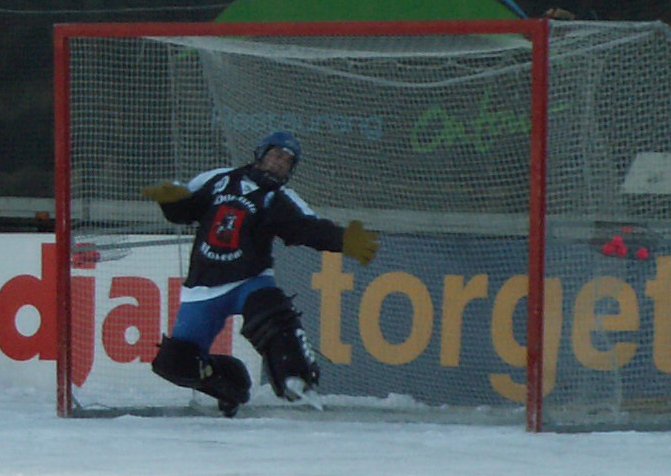
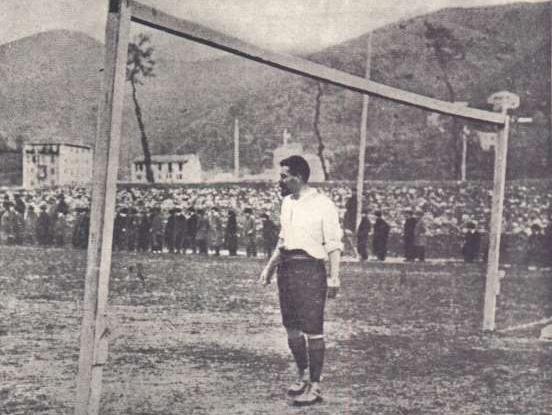
10 Images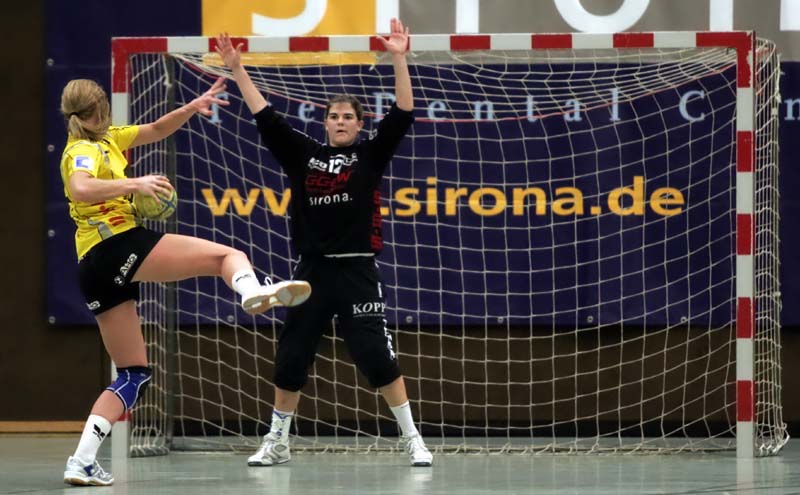






Role and responsibilities
The essential duty of a goalkeeper is to stop attempts to score by blocking, catching or deflecting the ball or puck. They act as the final line of defence and often control the immediate area around the goal. Modern goalkeepers also contribute to team play by starting attacks with accurate throws or kicks, by communicating and organizing the defence, and by reading the game to anticipate threats.
Skills and characteristics
- Shot-stopping: reflexes, diving technique and bravery when facing close-range attempts.
- Positioning: choosing the best place to reduce shooting angles and cover the goal.
- Distribution: passing, throwing and kicking to transition quickly from defence to attack.
- Communication: directing defenders and managing set-piece situations.
- Mental attributes: concentration, resilience after conceding, and decision-making under pressure.
Equipment and rules
Goalkeepers commonly wear distinctive uniforms so referees, teammates and opponents can tell them apart. Protective equipment varies by sport: in association football keepers typically wear gloves and sometimes padded shirts; in ice hockey goaltenders wear helmets with cages, large leg pads and chest protectors. Specific rules may grant goalkeepers special privileges or restrictions—for example handling the ball in a marked area in some sports or being allowed to use different footwear.
History, variations and notable facts
The goalkeeper role developed as sports codified rules in the 19th and early 20th centuries and has evolved alongside advances in equipment and coaching. Variations exist: handball and water polo have their own goalkeeper rules and techniques, and some teams employ a "sweeper-keeper" who plays higher up to help the defence. Specialist coaching for goalkeepers is now common, reflecting the technical and psychological demands of the position. For further reading on rules and training, consult sport-specific resources such as those linked here: official rule guides and coaching materials.
Questions and answers
Q: What is a goalkeeper?
A: A goalkeeper is someone who protects a team's goal in sports like football and ice hockey.
Q: What is the mission of a goalkeeper?
A: The goalkeeper's mission is to prevent the opposing team from scoring a goal.
Q: What type of sports require a goalkeeper?
A: Sports like football and ice hockey require a goalkeeper.
Q: Is it true that goalkeepers wear more protective gear than other players on the team?
A: Yes, goalkeepers normally wear more protective gear than other players on the team but this is not always true.
Q: Why do goalkeepers wear more protective gear?
A: Goalkeepers wear more protective gear as they are responsible for protecting their team's goal and are at a higher risk of injury.
Q: How does a goalkeeper prevent the opposing team from scoring a goal?
A: A goalkeeper prevents the opposing team from scoring a goal by catching or blocking their shots.
Q: Is there any other role that a goalkeeper may have?
A: No, the sole role of a goalkeeper is to protect their team's goal.
Related articles
Author
AlegsaOnline.com Goalkeeper (sports position) Leandro Alegsa
URL: https://en.alegsaonline.com/art/39353