
Huber Matos: Cuban revolutionary turned dissident
Huber Matos (1918–2014) was a Cuban army officer who joined the 26th of July Movement against Batista, later broke with Castro over Marxist direction, spent two decades imprisoned and became an exile critic.
Overview
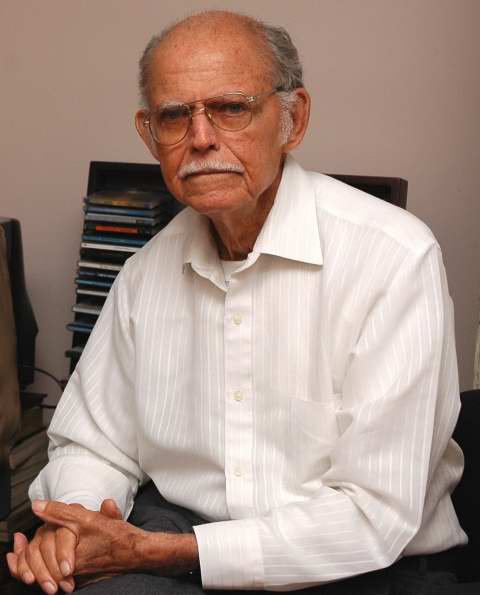
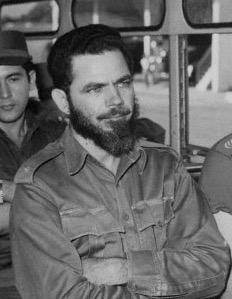
Huber Matos Benítez (26 November 1918 – 27 February 2014) was a Cuban army officer, political activist and writer from Yara in Granma Province. He participated in the campaign that overthrew the dictatorship of Fulgencio Batista as a member of the 26th of July Movement, but later became a prominent dissident after a political split with Fidel Castro and others who led the post-revolutionary government. His life is widely cited in discussions about revolutionary commitments, ideological disputes and the treatment of internal critics.
Image gallery
4 Images
Early life and military service
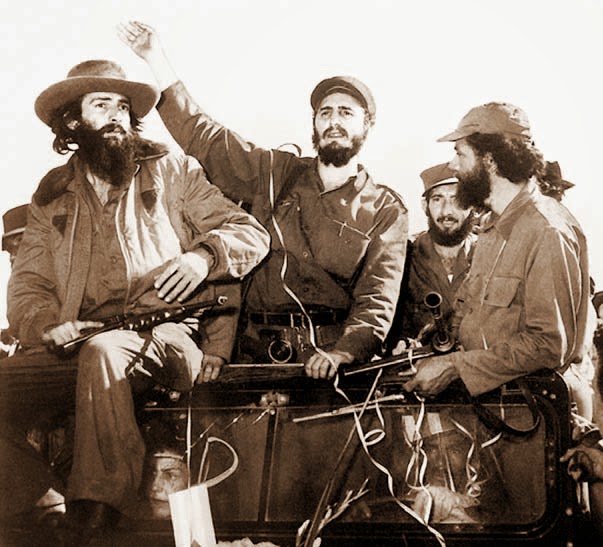
Matos was born in eastern Cuba and served in the national army before joining the insurgency. He opposed Batista's 1952 coup, which he described as unconstitutional, and in the 1950s allied with anti-Batista forces organized under the leadership of figures such as Fidel Castro and Che Guevara. He is remembered for abandoning the established order of the dictatorship to join an irregular struggle that culminated in the Cuban Revolution.
Role in the revolution
During the insurgency Matos worked with other revolutionaries and commanded troops in the eastern provinces. As the movement transitioned from guerrilla warfare to assuming state power, tensions emerged over the direction the new leadership would take. Matos and like-minded colleagues were alarmed by the growing prominence of Marxist rhetoric and the increasing influence attributed to the Communist Party of Cuba within the revolutionary coalition.
Political break and arrest
When Matos publicly criticized the revolutionary government's shift toward explicit socialist policies and denounced the growing role of communists in government decision-making, he fell into open conflict with senior leaders. He was arrested by the new authorities, charged and convicted on counts described by the regime as "treason and sedition," and removed from positions he had held during the transition from insurgency to governance.
Imprisonment (1959–1979)
Matos served approximately twenty years in custody from 1959 until his release in 1979. His imprisonment became a focal point for critics of the Castro government and for exile communities who saw his case as emblematic of a wider suppression of dissidence. During those years he was held in Cuban penal facilities and his treatment and trial were cited by various observers as reflecting the political tensions of the era.
Release and exile
After being freed in 1979 Matos did not return to an active role inside Cuba. Instead he settled abroad, living for extended periods in Miami, Florida, in the United States, and in Costa Rica. In exile he engaged in political writing, gave speeches to exile and human rights audiences, and continued to criticize policies of the Cuban government while defending his view of the original revolutionary ideals.
Writings, views and public activity
Matos published essays and gave interviews in which he warned about the consequences of a single-party, Marxist trajectory for Cuba. He positioned himself as both a participant in and a critic of the revolution: a man who had helped to overthrow Batista yet later opposed what he saw as the suppression of political pluralism. His public statements were regularly circulated among exile media and human rights networks.
Legacy and assessments
Historians and commentators treat Matos's life as illustrative of the complex paths taken by revolutionaries when movements transform into governments. To supporters he was a principled opponent of authoritarian tendencies; to critics he remained a controversial figure whose political choices and timing are debated. His case remains part of broader conversations about dissent, reconciliation and the contested memory of the Cuban Revolution.
Death and facts
Huber Matos died on 27 February 2014 in Miami, Florida, reportedly from a heart attack. He was 95. His life — from opposition to Batista through imprisonment and later exile — continues to be cited in accounts of 20th-century Cuban history.
- Born: Yara, Granma Province (Granma)
- Movement: 26th of July Movement
- Allied with: Fidel Castro, Che Guevara
- Opposed: Fulgencio Batista, later criticized the Communist Party of Cuba
- Exile locations: Miami, Costa Rica
Note: This article summarizes widely attested aspects of Huber Matos's life, drawing on public records and reporting. It avoids contentious or narrowly sourced claims and frames disputed matters as matters of debate where appropriate.
Related articles
Author
AlegsaOnline.com Huber Matos: Cuban revolutionary turned dissident Leandro Alegsa
URL: https://en.alegsaonline.com/art/45516
Sources
- miamiherald.com : "Former Cuban revolutionary Huber Matos is dead"