
Fulgencio Batista: Cuban soldier, politician, and two-time ruler
Overview of Fulgencio Batista (1901–1973): his rise from sergeant to Cuban leader, 1940 presidency, 1952 coup and dictatorship, overthrow by the Cuban Revolution, exile, and historical legacy.
Fulgencio Batista y Zaldívar (1901–1973) was a central and polarizing figure in 20th‑century Cuban history. Rising from modest origins to become a career military noncommissioned officer, Batista first emerged as a decisive force in 1933 and became the dominant political figure in Cuba through two distinct periods: a de facto military leadership in the 1930s and a later presidency and authoritarian rule that ended with the 1959 revolution.
Image gallery
10 Images


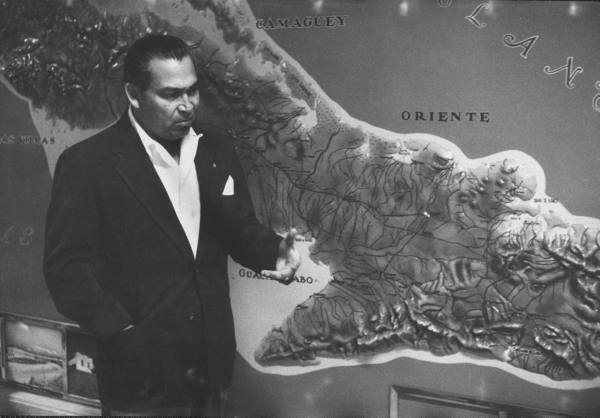
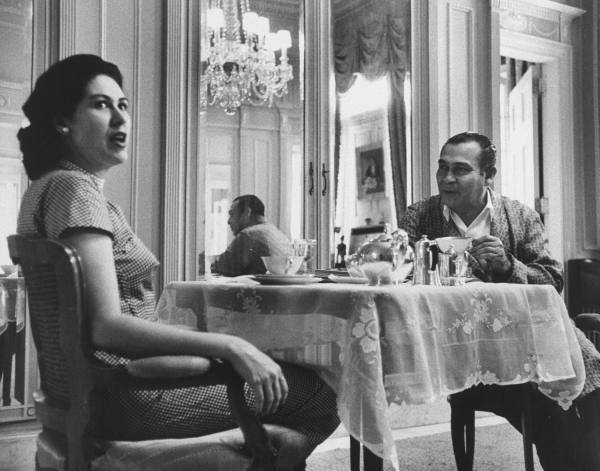

Early life and rise to power
Born in the eastern province of Cuba, Batista left farm work for Havana and entered the armed forces, where he served as a sergeant. In the unstable years after the fall of Gerardo Machado, Batista led a movement of junior officers and enlisted men that challenged existing elites. By 1933 he had become the effective military power behind the government, shaping policy and appointments even when not formally head of state. His influence made him a kingmaker and eventually an elected leader.
First presidency and reforms (1933–1944)
From the mid-1930s into 1940 Batista consolidated authority and in 1940 won a popular election to serve as constitutional president. That administration oversaw a modern, reform‑minded constitution, labor protections, and attempts to broaden political participation. After leaving office in 1944, Batista remained an important figure in Cuban politics and retained strong connections with both the military and economic interests.
1952 coup and second period of rule
In March 1952 Batista seized power again in a military coup, canceling elections and installing an authoritarian government. During this later period he presided over an administration characterized by centralization of power, suppression of dissent, and allegations of corruption. Many Cubans and foreign observers criticized his regime for censorship, political repression, and collusion with organized crime and foreign businesses that benefited from the island's booming tourist and gambling sectors.
Opposition and overthrow
Growing political opposition included legal parties, student groups, labor organizations, and armed movements. Among the latter, the guerrillas led by Fidel Castro mounted an insurgency that drew support in rural and urban areas. Batista's rule ultimately collapsed under mounting pressure and military setbacks. The revolution that toppled him—commonly termed the Cuban Revolution—was the culmination of varied resistance, including urban uprisings and rural guerrilla actions by groups often described as a guerrilla movement.
Exile, death, and legacy
Batista fled Cuba on January 1, 1959, leaving the island and living first in the Dominican Republic before moving through several countries and eventually settling in Spain, where he died in 1973. His departure marked a turning point that led to rapid political change in Cuba. Historical assessments of Batista remain contested: some credit his early years with modernization and order, while many historians emphasize the repressive, undemocratic nature of his later rule and its role in provoking revolutionary change.
Timeline and notable facts
- Cuba saw two main Batista eras: the 1930s–1940s period of political influence and the 1952–1959 dictatorship.
- His 1940 presidency produced a widely regarded constitution and reforms, but his 1952 coup reversed constitutional rule and opened a decade of authoritarian governance.
- Batista's government faced criticism for human-rights abuses and electoral manipulation; a 1954 contest was widely viewed as controlled and uncompetitive when he ran without meaningful opposition.
- After fleeing, Batista lived abroad until his death; debates about his legacy continue to influence interpretations of mid‑20th‑century Cuban history.
For more context on the complex social, political, and international forces around Batista's rule, consult specialized histories and archival sources that examine the period's elections, constitutions, and foreign relations. Additional resources and primary documents are available through academic collections and curated digital archives (country archives, political analyses, and contemporary reporting). Contemporary narratives of the overthrow and its aftermath also reference the role of many actors and movements in shaping modern Cuban history (military accounts, biographies, and insurgent testimonies).
The study of Batista's life illustrates how military power, electoral politics, and international interests intersected in mid‑century Latin America, leaving a contested legacy that scholars continue to reevaluate.
Related articles
Author
AlegsaOnline.com Fulgencio Batista: Cuban soldier, politician, and two-time ruler Leandro Alegsa
URL: https://en.alegsaonline.com/art/119301
Sources
- worldstatesmen.org : "Cuba"