
Che Guevara: Argentine revolutionary, writer, and 20th-century icon
Concise account of Ernesto 'Che' Guevara (1928–1967): his life, role in the Cuban Revolution, writings, later campaigns, iconic photograph and the mixed legacy of admiration and criticism.
Overview
Ernesto "Che" Guevara (June 14, 1928 – October 9, 1967) was an Argentine-born physician, Marxist revolutionary, author and guerrilla organizer. He became internationally known for his role in the Cuban Revolution and for promoting armed struggle as a means to achieve social change. Commonly called "Che" or "el Che," he remains a polarizing figure, celebrated by many as a symbol of anti-imperialism and social justice and criticized by others for his advocacy of armed insurrection and for actions taken while serving in government.
Image gallery
10 Images



Early life and Revolutionary Activity
Trained as a medical doctor in Argentina, Guevara's political views deepened during extensive travels across Latin America, where he witnessed poverty and political repression. He joined Fidel Castro's rebel movement in Cuba in the late 1950s and rose to prominence as a battlefield commander and strategist. After the revolution succeeded in 1959, Guevara held several government and diplomatic posts and took part in shaping economic and military policy for the new Cuban state.
Writings, roles and campaigns
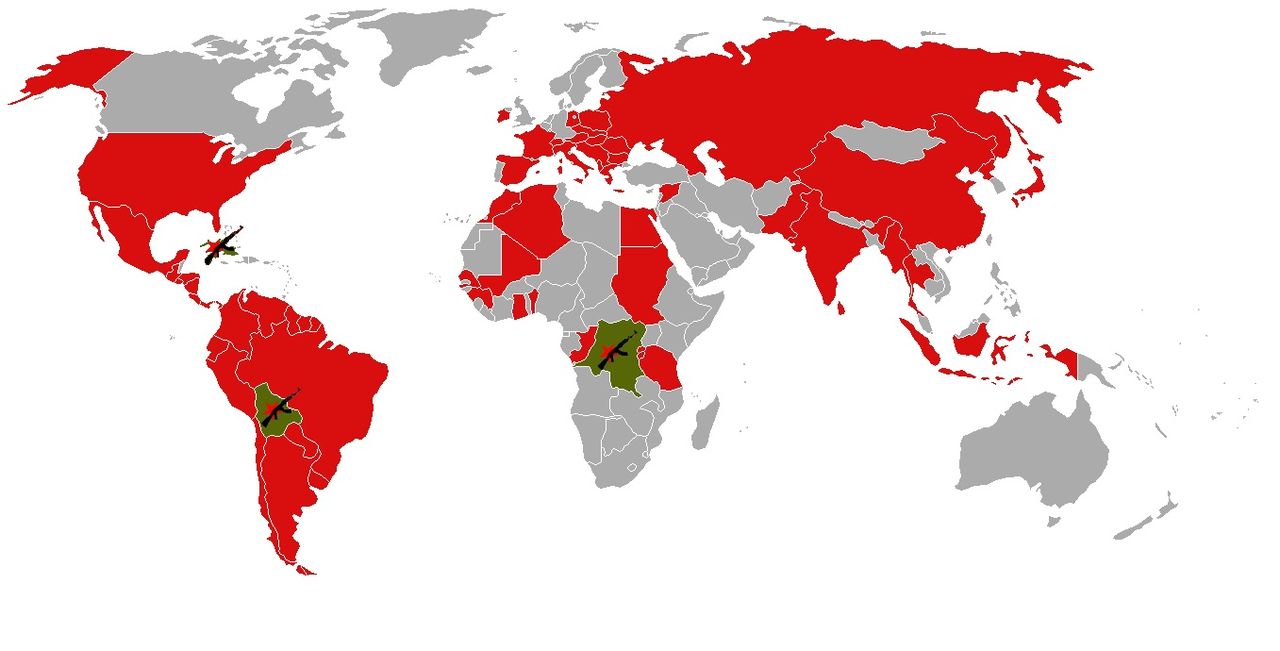
Guevara wrote on topics from guerrilla warfare to political economy. His books and essays include accounts of his travels and theoretical works on revolutionary strategy; his travel journal from youth has been widely published. He also led and advised armed efforts beyond Cuba, notably attempting to foment insurgency in the Congo and later in Bolivia, where he was captured and executed in 1967.
Legacy and controversies
Guevara's image—most famously the portrait known as Guerrillero Heroico—has become an enduring global symbol, reproduced on posters, clothing and art. That photograph and reproductions helped transform him into an emblem of rebellion. Media outlets such as Time magazine have recognized his wide influence, and leftist movements often cite his life and writings. At the same time, critics point to his role in revolutionary tribunals and to the human cost of guerrilla warfare. Discussions about his life therefore mix admiration for his ideals with scrutiny of his methods.
Selected roles and works
- Argentine Marxist who trained as a physician and became a guerrilla leader
- Guerrilla commander and military theorist involved in the Cuban Revolution
- Author of memoirs and essays on revolutionary practice and travel
- Subject of an iconic portrait often cited among the most influential images of the 20th century
For further reading, biographies and collections of his writings provide balanced accounts of his life, ideas and the historical contexts that shaped them. Many analyses emphasize both the inspirational power of his rhetoric and the complex, contested outcomes of the movements he led or influenced.
Questions and answers
Q: Who was Che Guevara?
A: Che Guevara, born on June 14, 1928, was an Argentine Marxist, revolutionary, physician, author, guerrilla, diplomat, and military theorist.
Q: What is Che Guevara known for?
A: Che Guevara is best known as a revolutionary and a Marxist.
Q: What is Guerrillero Heroico?
A: Guerrillero Heroico is a photograph of Che Guevara, which has become the most famous photograph in the world.
Q: Was Che Guevara a writer too?
A: Yes, Che Guevara was a writer, and some of his articles and speeches were published.
Q: Which political ideology is Che Guevara popular with?
A: Che Guevara is popular with socialists.
Q: What did Time magazine say about Che Guevara?
A: Time magazine said Che Guevara was one of the most influential people of the 20th century.
Q: When did Che Guevara pass away?
A: Che Guevara passed away on October 9, 1967.
Related articles
Author
AlegsaOnline.com Che Guevara: Argentine revolutionary, writer, and 20th-century icon Leandro Alegsa
URL: https://en.alegsaonline.com/art/116344
Sources
- Che Guevara
- biography.com : "Che Guevara Biography"
- content.time.com : "CHE GUEVARA: The Guerrilla"
- news.bbc.co.uk : Online at BBC News
- nytimes.com : "A Revolutionary Icon and now a Bikini"
- motorcyclediariesmovie.com : "The Motorcycle Diaries"