
Huey Long: Louisiana Populist Leader, Governor and U.S. Senator (1893–1935)
American politician Huey Long rose from Louisiana politics to national prominence with populist reforms, the Share Our Wealth movement, and a controversial legacy marked by infrastructure projects and an assassination in 1935.
Overview
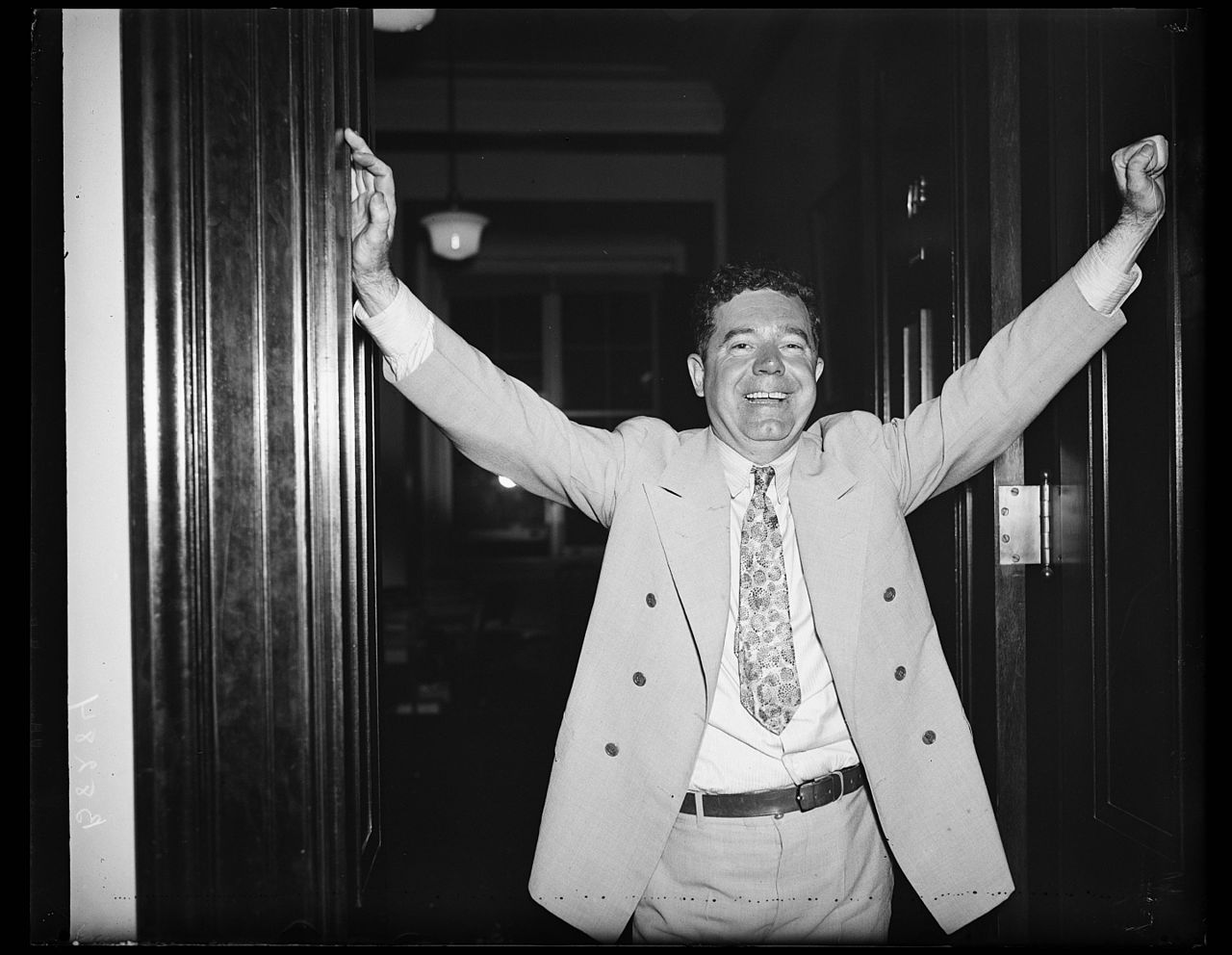
Huey Pierce Long Jr. (August 30, 1893 – September 10, 1935) was an American politician who dominated Louisiana public life in the late 1920s and early 1930s. Elected governor and later U.S. senator, Long combined aggressive public works, rhetorical populism, and a tightly organized political machine to transform state government and build a national profile. He is often remembered both for sweeping social programs aimed at the poor and for his authoritarian style and concentration of power.
Image gallery
10 Images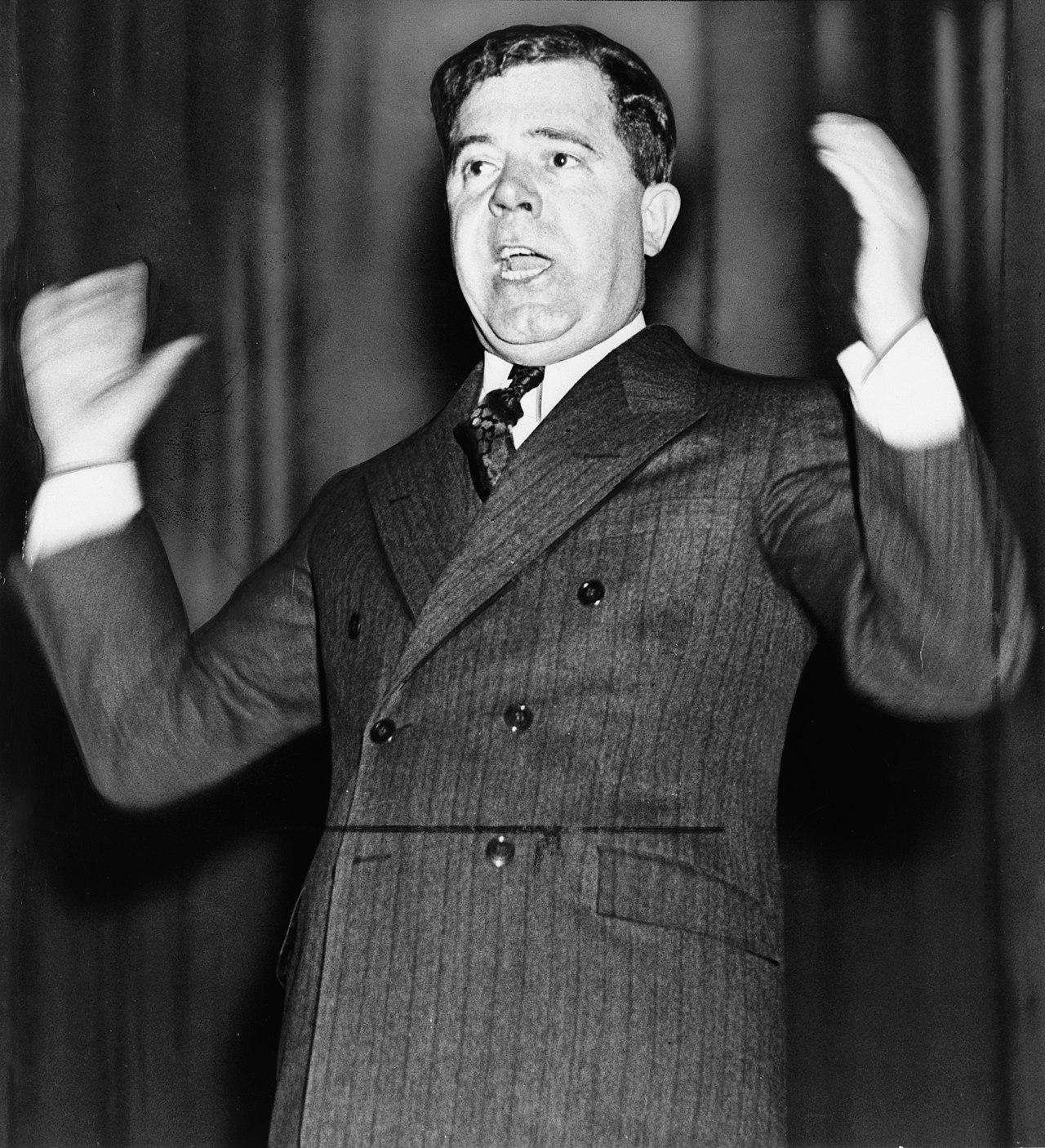





Political career and reforms
Long served as Governor of Louisiana from 1928 to 1932 and then as a U.S. Senator from 1932 until his death in 1935. As an executive he pushed an ambitious agenda of public spending on education and infrastructure: free textbooks for schoolchildren, new schools and hospitals, widened highways and bridges, and the imposing Louisiana State Capitol building in Baton Rouge. Critics accused him of using patronage and centralized control to build a personal political machine, while supporters praised him for delivering tangible benefits to many poor and rural citizens.
Policies, programs and methods
Long campaigned on opposition to powerful business interests and on redistributionist ideas. In Louisiana his administration expanded access to services and used state funds for large-scale construction projects. His methods included campaigning directly to ordinary voters, organizing local supporters into disciplined networks, and replacing or bypassing traditional political opponents. Those tactics made him a polarizing figure — hailed as a champion by many working-class voters and condemned by opponents as demagogic by nature.
Share Our Wealth and national ambitions
On the national stage Long proposed the "Share Our Wealth" program, an ambitious plan to cap fortunes, guarantee a minimum household income, and fund public benefits through heavy taxation of high incomes. He established local "clubs" to spread these ideas and criticized President Franklin D. Roosevelt for not doing enough, arguing that parts of the New Deal were insufficient to stop poverty and inequality. Many contemporaries and historians believe Long considered a presidential bid for 1936; his rhetoric and organization gave him a significant popular following.
Accomplishments and criticisms
- Public works: Major road, school and hospital programs that reshaped state infrastructure.
- Education: Programs such as free textbooks broadened access for children across rural areas.
- Political control: Centralized appointment powers, patronage, and aggressive use of state authority.
- Rhetoric and reform: Emphasis on wealth redistribution and criticism of corporate power.
Assassination, death and legacy
On September 8, 1935, Long was shot inside the Louisiana State Capitol in Baton Rouge and died two days later at age 42. The attack has generally been attributed to Dr. Carl A. Weiss, though debates about the precise circumstances and the actions of those present have continued. Long was buried on the grounds of the State Capitol, where his tomb remains a public reminder of his rule. His son, Russell Long, later served in the U.S. Senate and became an influential figure in national tax policy.
Long's life inspired enduring cultural responses. Robert Penn Warren's novel All the King's Men, and later film adaptations, drew on elements of his career to explore power and corruption; the story and its adaptations remain a common reference when discussing Long's complicated mixture of reformist zeal and authoritarian practice (All the King's Men). During his life Long made public appearances beyond the United States, including visits to communities in Europe such as Robertsbridge in East Sussex, reflecting a period when his national prominence carried international curiosity (Robertsbridge).
Historians continue to treat Huey Long as a figure who blurred the lines between populist reformer and political boss. His programs reshaped public services in Louisiana and his national rhetoric influenced debates about inequality during the Great Depression. At the same time, his consolidation of power and confrontational style make him a subject of controversy and study in American political history. For further background on his life and policies see contemporary archives and collections that catalog his speeches, legislation, and the organizations behind the "Share Our Wealth" movement (biographical resources, policy analyses).
Related articles
Author
AlegsaOnline.com Huey Long: Louisiana Populist Leader, Governor and U.S. Senator (1893–1935) Leandro Alegsa
URL: https://en.alegsaonline.com/art/45563