
Miami, Florida — city overview, culture, history and significance
Coastal city in southeastern Florida known for its diverse Hispanic and Caribbean culture, beaches, arts scene, international trade and role as the seat of Miami‑Dade County. Nicknamed "The Magic City."
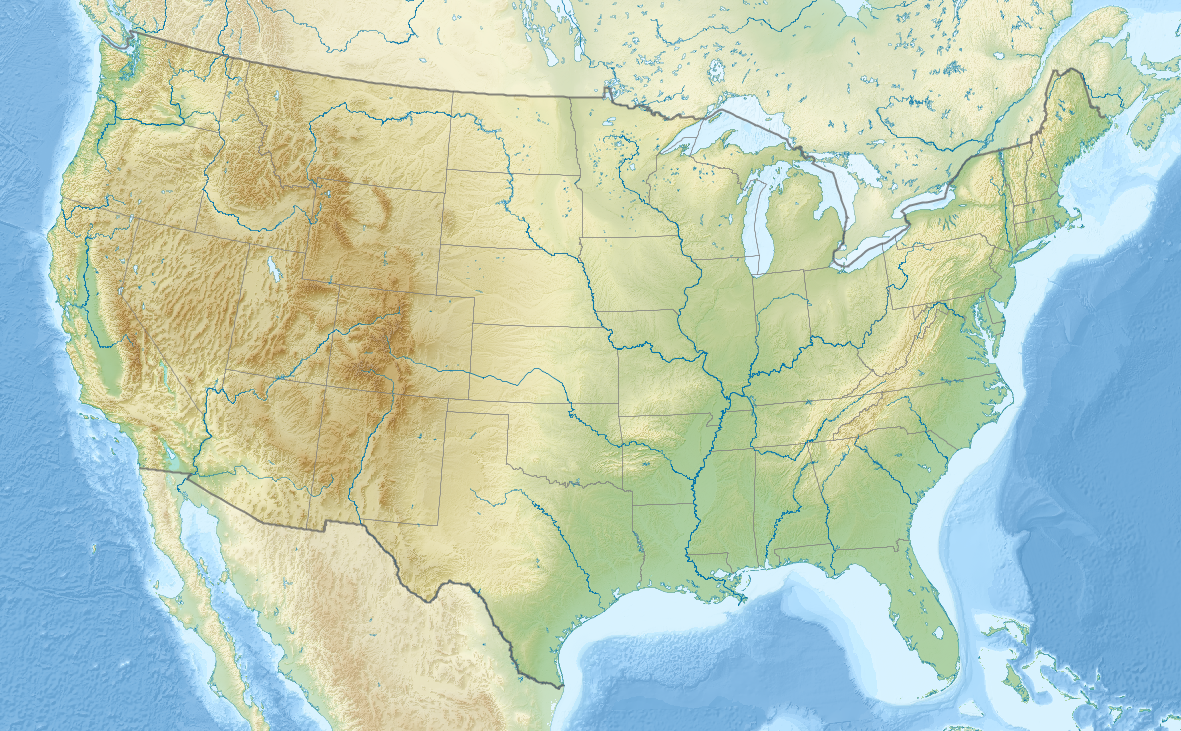
Miami is a major coastal city in the southeastern United States, situated on the southeastern coast of the U.S. state of Florida. It serves as an international gateway for travel and commerce between North America, Latin America and the Caribbean, and is widely recognized for its warm climate, beaches and vibrant urban neighborhoods. Visitors and residents alike are drawn to Miami’s mix of leisure, culture and business.
Image gallery
10 Images





Geography and climate
Miami occupies a low-lying position along the Atlantic shore and the Biscayne Bay estuary. Its subtropical to tropical climate produces hot, humid summers and mild winters, which supports year-round tourism. The city’s location also makes it susceptible to coastal storms and long-term sea-level rise concerns, which shape planning and infrastructure priorities.
Culture and population
Miami is notable for its multicultural population and strong Caribbean and Latin American influences. Large communities with roots in Cuban, Puerto Rican and Haitian heritage have shaped language, cuisine, music and public life. Neighborhoods like Little Havana, South Beach and Wynwood each reflect different cultural and artistic traditions, and Spanish is commonly heard alongside English in daily life.
Economy, transport and institutions
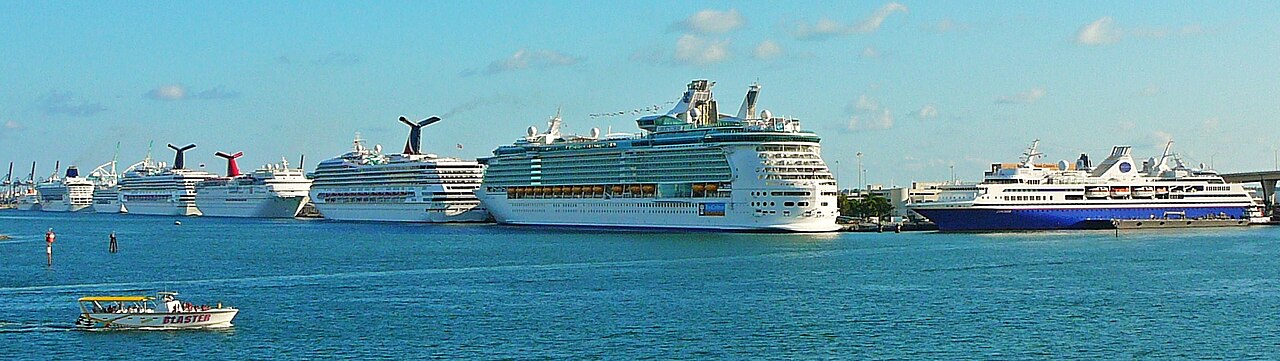
The city’s economy blends tourism, finance, international trade, media and higher education. Miami International Airport is a major air hub for international passenger and cargo flights, while the Port of Miami handles cruise passengers and shipping. The city is also home to businesses serving Latin American markets and a growing creative and tech sector.
History, governance and notable facts
Founded in the late 19th century and incorporated as a city shortly thereafter, Miami grew rapidly in the 20th century and earned the nickname "The Magic City" in reference to its fast expansion. It is the county seat and largest city of Miami-Dade County. The urban area combines historic districts, planned developments and a collection of distinct neighborhoods that contribute to its regional importance.
Main attractions and features
- Beaches and waterfront recreation along the Atlantic coast.
- Vibrant culinary scene featuring Cuban, Caribbean and international cuisines.
- Arts districts and festivals, including galleries, public murals and music venues.
- Major transportation hubs supporting tourism and global trade.
Miami’s blend of cultural diversity, strategic location and climate make it a prominent American city with strong ties across the Americas. Contemporary challenges include adapting infrastructure to changing coastal conditions while sustaining the economic and cultural life that draws residents and visitors from around the world. For more resources, see local government and visitor information via the city’s official portals and cultural organizations represented online through regional links such as regional resources.
Questions and answers
Q: Where is Miami located?
A: Miami is located on the southeastern part of the U.S. state of Florida.
Q: What is Miami known for?
A: Miami is known for its Cuban, Puerto Rican, and Haitian culture, and it is a popular tourist stop.
Q: What is the demographic makeup of Miami?
A: Over 70% of the population in Miami is of Hispanic and Latino American descent, making it one of the largest Hispanic communities in the United States.
Q: What is Miami-Dade County?
A: Miami-Dade County is the county in which Miami is located, and it is the largest city in the county.
Q: What is the nickname for Miami?
A: The nickname for Miami is "The Magic City," which is a reference to its rapid growth.
Q: What is the county seat of Miami?
A: Miami is the county seat (and largest city) of Miami-Dade County.
Q: What is the significance of Miami's Hispanic and Latino American community?
A: Miami's large Hispanic and Latino American community is significant in shaping the culture and diversity of the city.
Related articles
Author
AlegsaOnline.com Miami, Florida — city overview, culture, history and significance Leandro Alegsa
URL: https://en.alegsaonline.com/art/64409
Sources
- factfinder.census.gov : "American FactFinder"
- geonames.usgs.gov : "US Board on Geographic Names"