
Hindu Kush: mountain range of Central and South Asia
The Hindu Kush is a major mountain range spanning Afghanistan and northern Pakistan. This article covers its geography, major peaks and passes, rivers and ecology, and its historical and strategic significance.
Overview
The Hindu Kush is a principal mountain system of Central and South Asia that forms a high, rugged barrier between the high plateaus of Central Asia and the river valleys to the south. The range stretches from near the Pamir knot in the north toward the mountains of northern Pakistan and forms part of the greater complex of ranges that includes the Pamirs and the Karakoram. Its high peaks and deep valleys have shaped travel, settlement, and climate patterns across the region for millennia. One of the region's chief urban and administrative points is Gilgit, while the Pakistani province of Khyber Pakhtunkhwa contains many of the southern foothills. The mountains also lie within the modern state of Pakistan and across much of Afghanistan.
Image gallery
10 Images


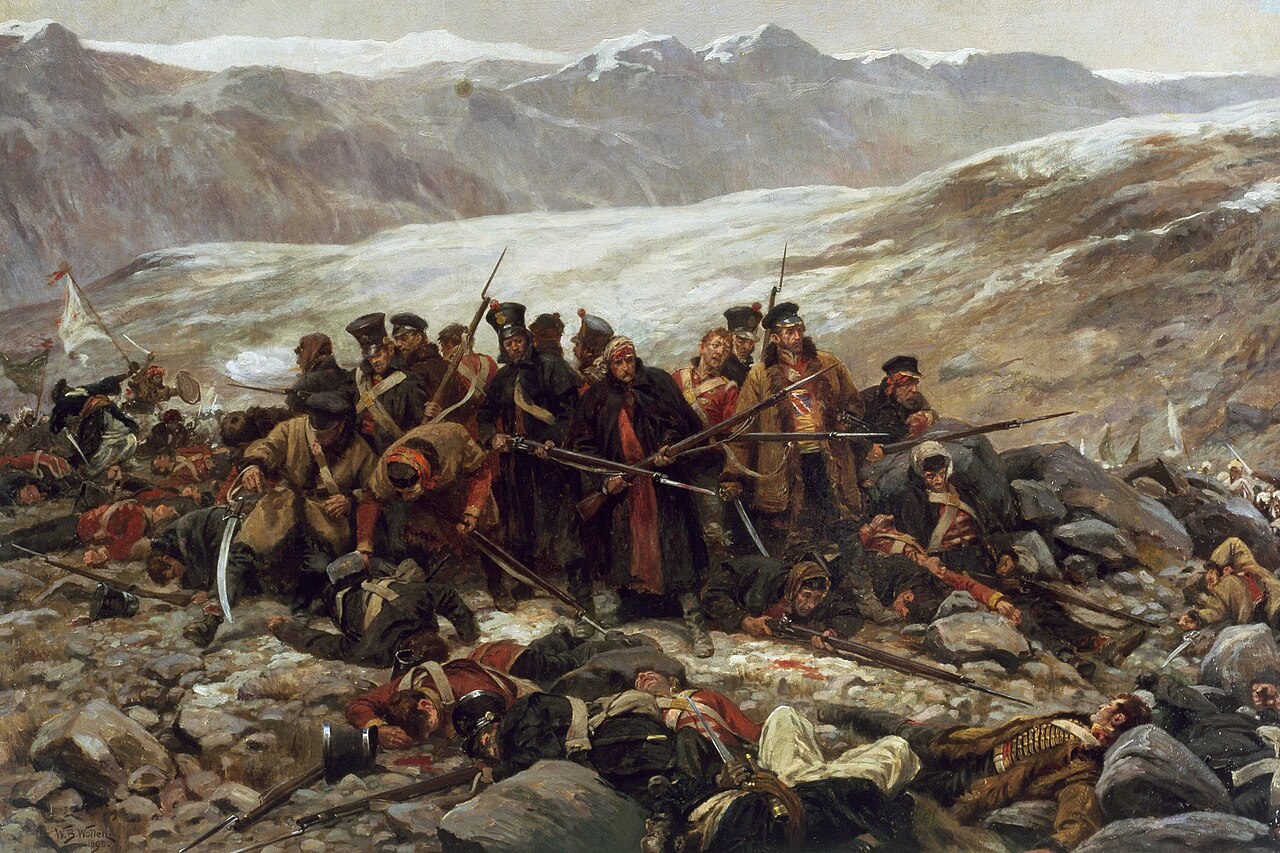
Geography and notable peaks
The Hindu Kush is distinguished by steep ridges, narrow passes, and glaciated valleys. Its highest and best-known summit is Tirich Mir, which towers above the surrounding terrain and dominates the view from parts of Chitral. The range links into the Pamirs to the north and merges with other northern systems, creating complex topography. On the western flank lies the Wakhan Corridor, a narrow panhandle of Afghanistan that separates parts of Pakistan from neighboring Central Asian countries. Historically that narrow tract—sometimes referred to in older sources as part of the Gilgit Agency frontier—helped define borders with Tajikistan and other states of the region.
Passes and routes
The Hindu Kush contains several important mountain passes that have linked South Asia with Central Asia. These routes were used by merchants, pilgrims and armies and remain important for local movement where modern roads are limited. Examples include:
- Mintaka Pass — a historic caravan route toward the high plateau of Central Asia.
- Kilik Pass — another traditional corridor used to cross the high mountains.
- Chilinji Pass and Kuramber Pass — local passes that connect valleys on either side of the range.
- Dorah and Shandur passes — additional crossings that have played roles in trade and seasonal migration.
Rivers, hydrology and ecology
The Hindu Kush feeds many tributaries of larger river systems. Glaciers and snowmelt give rise to rivers such as the Chapursan, Ishkuman, Ghizar and the Gilgit River, as well as streams on the Shandur plateau; these waters typically flow south and eventually join the great Indus River. Elevation gradients produce a range of climates from alpine at high elevation to temperate valleys, supporting distinct plant and animal communities. Alpine meadows, conifer forests in some valleys, and montane grasslands provide habitat for species adapted to cold, steep landscapes.
History and strategic significance
During the nineteenth century the Hindu Kush region acquired increased geopolitical importance as imperial powers negotiated boundaries in Central and South Asia. The narrow Wakhan corridor and adjacent areas were shaped by agreements between the Russian and British empires in the late 1800s, meant to create buffer zones and define spheres of influence; these arrangements are often discussed in accounts of the so-called Great Game and related treaties from the Russian and British diplomatic exchanges. The mountains have long affected human settlement patterns, trade routes linking central Asian steppes with the Indian subcontinent, and cultural exchange among diverse peoples.
Contemporary relevance and distinctions
Today the Hindu Kush remains significant for its natural resources, water supply and as a cultural landscape. Local economies rely on pastoralism, seasonal agriculture and small-scale trade through mountain passes. The range is also an arena for mountaineering and trekking where access permits. Its combination of high relief, glaciation and strategic position continues to make the Hindu Kush a region of interest for geographers, historians and travellers alike.
For further reading on specific valleys, passes and historical agreements, consult regional studies and maps that focus on the Hindu Kush and adjacent territories.
Related articles
Author
AlegsaOnline.com Hindu Kush: mountain range of Central and South Asia Leandro Alegsa
URL: https://en.alegsaonline.com/art/44286