
Gilgit — regional capital and mountain gateway in northern Pakistan
Gilgit is the administrative capital of Gilgit-Baltistan in northern Pakistan, a mountain city and regional hub known for its strategic location, cultural diversity, and access to high-altitude tourism.
Overview
Gilgit is the administrative capital and largest city of the autonomous region of Gilgit-Baltistan in northern Pakistan. Serving as the principal urban and governmental centre of the territory, Gilgit functions as a regional hub for administration, commerce and services. The city is home to a population of over 200,000 people and many who pass through it are travelers, traders or officials moving to and from surrounding valleys.
Image gallery
10 Images



Geography and climate
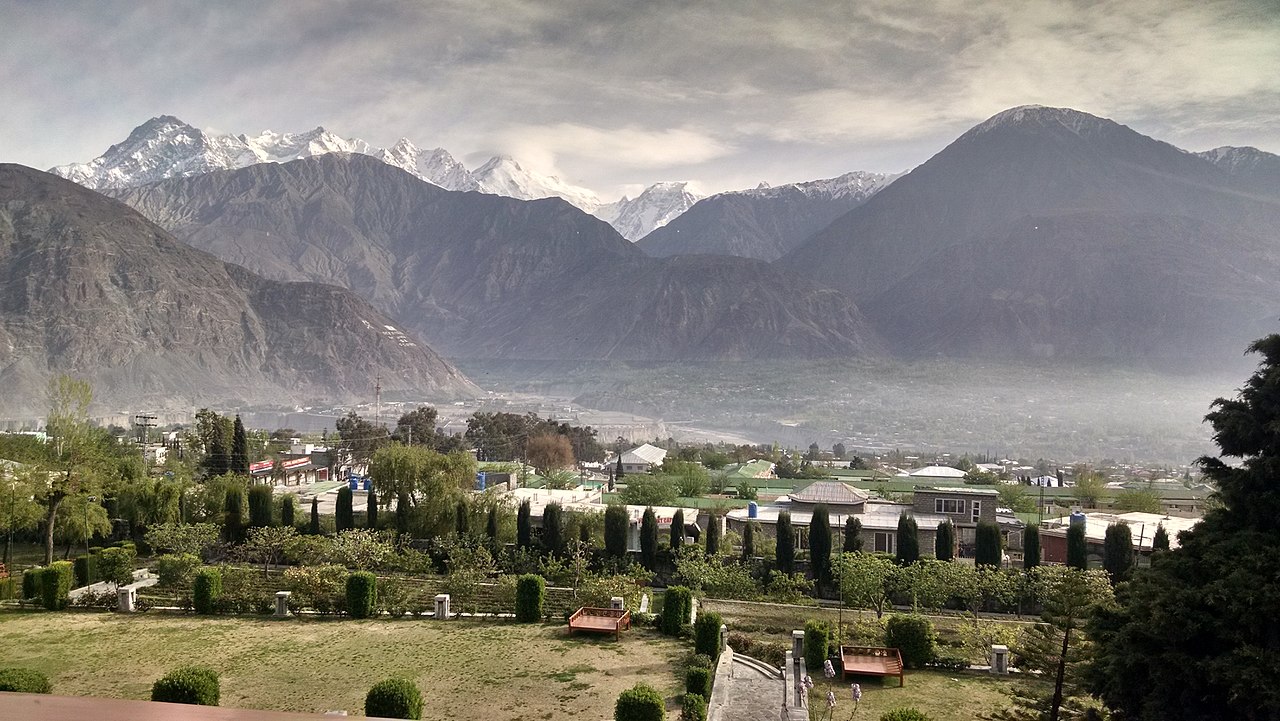
Located in a rugged highland zone where several great mountain ranges meet, Gilgit lies at a river junction and is surrounded by steep valleys and high peaks. Its position makes it a natural crossroads between the Karakoram, the western Himalaya and the Hindu Kush. The climate is continental highland: summers are relatively mild and short while winters are long and cold, with seasonal snowfall at higher elevations.
History and development
For centuries Gilgit was important on north–south and east–west trade routes that connected the Indian subcontinent with Central Asia and China. Over time it developed as a market town and an administrative centre for the surrounding princely states and districts. In the modern era its role expanded as roads, a domestic airport and government institutions concentrated services and infrastructure in the city.
Economy and transport
The local economy blends government services, small-scale trade, tourism support and agriculture in nearby valleys. Gilgit's bazaars supply goods to rural communities and act as redistribution points for imported items. Transport links include a domestic airport, regional road connections and the strategically important Karakoram Highway, which links the region with Pakistan's lowlands and with China. Infrastructure remains constrained by terrain and seasonal weather.
Culture, institutions and language
Gilgit is culturally diverse: several languages and ethnic groups are present, including speakers of Shina, Burushaski, Balti and other regional languages alongside Urdu as a lingua franca. The city hosts regional government offices, educational institutions such as Karakoram International University, regional health services and cultural venues that reflect its multiethnic character.
Tourism and notable facts
Gilgit is widely used as a base for trekking, mountaineering and sightseeing in the greater Karakoram and Himalayan region. It serves as a staging point for expeditions to major peaks and for visitors to scenic valleys. Typical attractions and services include:
- Local bazaars and markets with regional crafts and foods
- Access to trekking and mountaineering routes into surrounding ranges
- Services for travelers—guides, transport and lodging
As the political and logistical heart of Gilgit and its region, the city remains important for administration, regional connectivity and mountain tourism while facing the challenges of development in a high-altitude environment.
Related articles
Author
AlegsaOnline.com Gilgit — regional capital and mountain gateway in northern Pakistan Leandro Alegsa
URL: https://en.alegsaonline.com/art/38830