
Hingol National Park (Pakistan)
Hingol National Park is Pakistan’s largest protected area, covering about 1,650 km² along the Makran coast of Balochistan. It protects river valleys, coastal ecosystems, desert and mountain habitats and notable rock formations.
Overview
Hingol National Park, also spelled Hungol, is the largest national park in Pakistan, covering roughly 1,650 square kilometres. It occupies a long stretch of the Makran coast in the province of Balochistan and lies about 190 kilometres from Karachi. The park was formally designated as a protected reserve in 1988 to conserve its distinctive landscapes, wildlife and cultural features. For context among protected areas see a list of Pakistan's national parks.
Image gallery
10 Images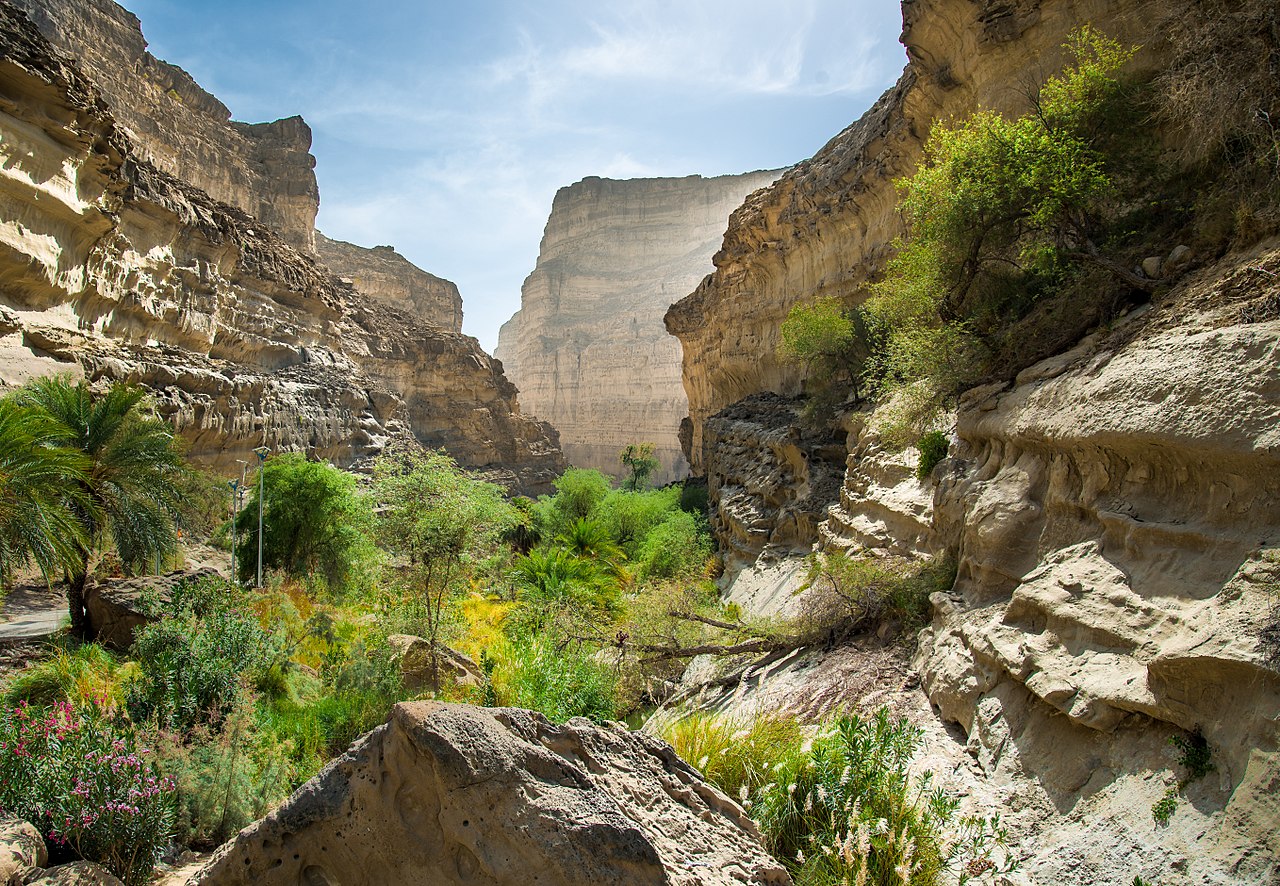


Landscape and key features
The park contains a striking mix of environments: a braided river valley carved by the Hingol River, rugged coastal cliffs, tidal flats, arid plains and isolated mountain ranges. Wind and water have sculpted dramatic rock formations and pillars along the shore and in the valley. These geological features, together with occasional mud volcanoes and sandy beaches on the Makran coast, produce varied scenery within a compact region.
History and conservation
Declared a reserve in 1988, Hingol was recognised for both its natural and cultural importance. The area supports traditional pastoral livelihoods and contains archaeological sites and shrines important to local communities. Conservation efforts seek to balance habitat protection with the needs of residents and to manage tourism so that natural features and wildlife are not degraded.
Flora, fauna and ecological value
The park is home to desert and semi-desert vegetation adapted to low rainfall, including shrubs and resilient grasses. Larger mammals include species adapted to arid terrain such as ibex and gazelle, and the area supports predators and numerous smaller mammals and reptiles. Its coastline and tidal zones provide habitat for marine life and attract migratory and resident birds; sea turtles and other marine species are also associated with the Makran shore. Pressures include grazing, human disturbance and occasional development, which conservation planning aims to mitigate.
Visiting, research and notable facts
Hingol is reachable by road from Karachi and other regional centres; infrastructure is basic and visitor services are limited, so travel requires preparation and respect for local rules. The park is valued for wildlife observation, geology, photography and cultural interest. Quick facts:
- Area: about 1,650 km².
- Declared a reserve: 1988.
- Major watercourse: Hingol River.
- Location: Makran coast, Makran region of Balochistan.
- Nearest major city: Karachi.
Researchers, conservationists and visitors are encouraged to follow park regulations, support local communities, and consult official sources for permits and seasonal advice. More information and official resources can be found through pages that list national parks and regional conservation programmes.
Related articles
Author
AlegsaOnline.com Hingol National Park (Pakistan) Leandro Alegsa
URL: https://en.alegsaonline.com/art/44302
Sources
- pakistanpaedia.com : "Hingol National Park"