
Hindu–Arabic numeral system
A positional decimal numeral system using ten symbols (including zero) that originated in South Asia and spread via the Islamic world to become the global standard for arithmetic and commerce.
Overview
The Hindu–Arabic numeral system is the decimal positional notation used almost universally today for writing numbers. It employs ten basic symbols and a place-value scheme in which the position of each symbol determines its value relative to powers of ten. Central to its power is the numeral zero, which serves both as a number and as a placeholder. The system made arithmetic algorithms—addition, subtraction, multiplication and division—straightforward compared with earlier notations and thus played a crucial role in the development of mathematics, bookkeeping and science.
Image gallery
10 Images





Core characteristics
The system is defined by a few simple principles that together enable compact representation of very large and very small quantities:
- Base-10 (decimal) structure: each place represents a power of ten. See place-value and positional notation for related concepts.
- Ten digits: the standard set used in western form are the symbols 0, 1, 2, 3, 4, 5, 6, 7, 8 and 9.
- Zero as a numeral and placeholder, which distinguishes the system from many earlier numeral schemes and permits unambiguous notation such as 105 versus 15.
- Glyph variants: forms of the digits differ by region and script (for example, Latin digits used in Europe versus Arabic‑Indic shapes), reflecting typographic and cultural developments.
History and transmission
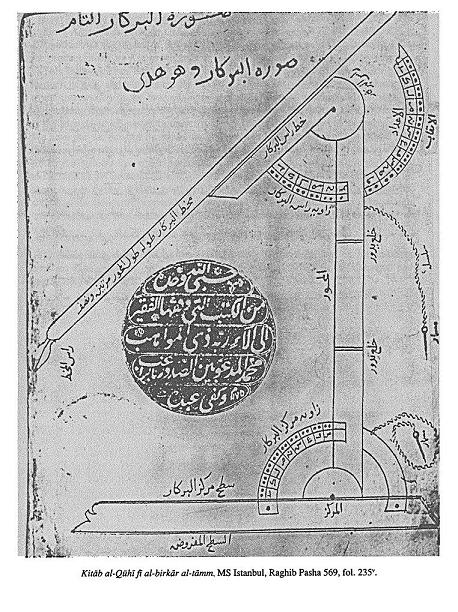
The essential ideas of positional decimal notation and a symbol for zero emerged in South Asia over many centuries. Early Indian scholars developed numeral forms and arithmetic methods; later Indian mathematicians such as al-Khwarizmi (through translations of his work) and others helped transmit the concepts to the Islamic world, where they were studied, refined and recorded. One important medieval work that introduced these numerals to wider European audiences was Fibonacci's Liber Abaci in the 13th century; Fibonacci is often credited with popularizing their use in medieval Europe (Fibonacci).
Development and adoption in Europe
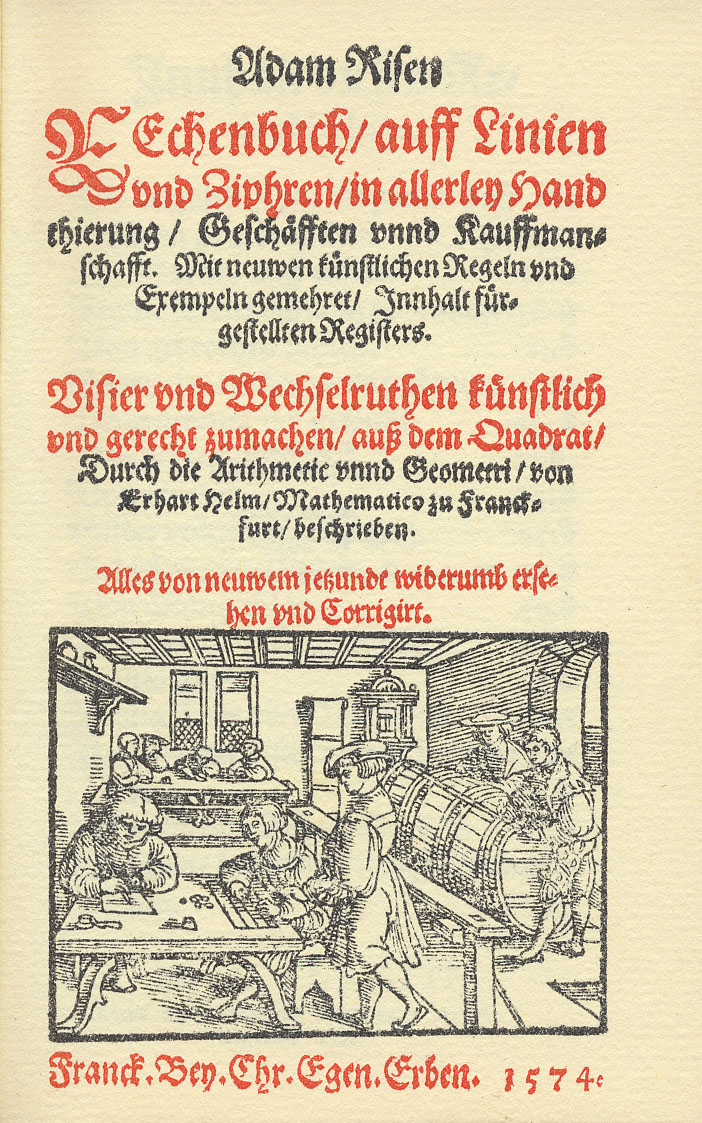
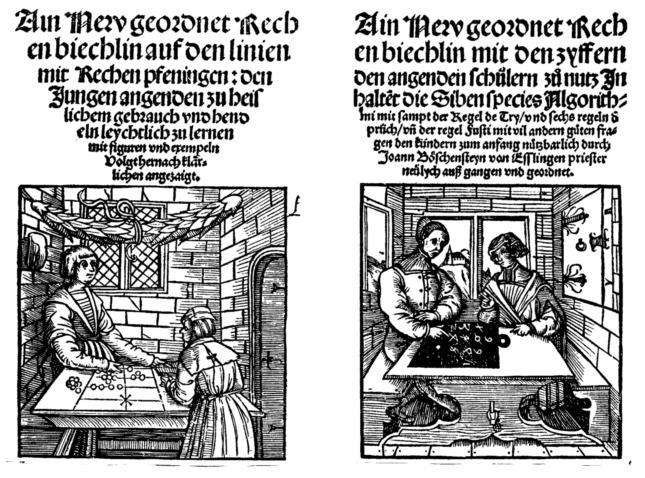
From the 12th century onward, translations of Arabic mathematical texts and commercial needs drove gradual adoption. Printers, merchants and scholars promoted the numerals because they simplified calculation and accounting. Typographers and artists in the Renaissance adapted numeral shapes for print, and later standardization produced the forms commonly seen in modern Latin type. For discussions of typography and later European spread see printing history, European adoption and references to Renaissance figures like Albrecht Dürer who worked with mathematical ideas in the arts.
Uses and impact
The Hindu–Arabic system underpins virtually all modern arithmetic, scientific notation, financial accounting, measurement, computing interfaces and everyday counting. Its efficiency compared with non-positional systems such as Roman numerals or tally marks (and mechanical aids like the abacus) helped accelerate developments in algebra, commerce and navigation. Mathematical notation and algorithms that depend on place value were essential stepping stones toward later advances in algebra, calculus and digital computation.
Distinctions and notable facts
Several points often arise in discussions of the system: that it is both a numeral set and a method (digits plus positional rules), that regional glyphs vary (sometimes called "Western Arabic" and "Eastern Arabic" forms), and that the conceptual invention of zero was as important as the digit shapes themselves. Key historical figures and traditions associated with the system include early Indian mathematicians and scholars in the Islamic world such as al-Kindi, translators and authors whose texts spread the method, and later European proponents who helped establish it in commerce and printing (numeral scripts, digit forms, historical sources). For further entry points consult general histories of mathematics and specialized articles on positional notation (digits, decimal system, zero, arithmetical methods, typography).
Although the core idea is simple—ten symbols and a rule for place value—its adoption represents a long process of invention, transmission and cultural exchange spanning South Asia, the Middle East and Europe. That process made possible much of the quantitative science and global commerce of the modern world.
Related articles
Author
AlegsaOnline.com Hindu–Arabic numeral system Leandro Alegsa
URL: https://en.alegsaonline.com/art/44282