
Abacus: history, design, and uses of the manual calculating frame
An abacus is a manual counting device used for arithmetic, with regional forms such as the Chinese suanpan and Japanese soroban; still used for education, commerce and by visually impaired people.
Overview
The abacus is a simple mechanical aid for performing arithmetic calculations. It consists of a rectangular frame holding a number of parallel rods or wires on which beads slide. By moving beads into prescribed positions the operator represents numbers and carries out operations such as arithmetic. Though largely supplanted by electronic calculators, abaci remain in use for teaching, in markets and by people who value speed, tactile feedback or low-cost reliability.
Image gallery
10 Images




Basic design and how it works
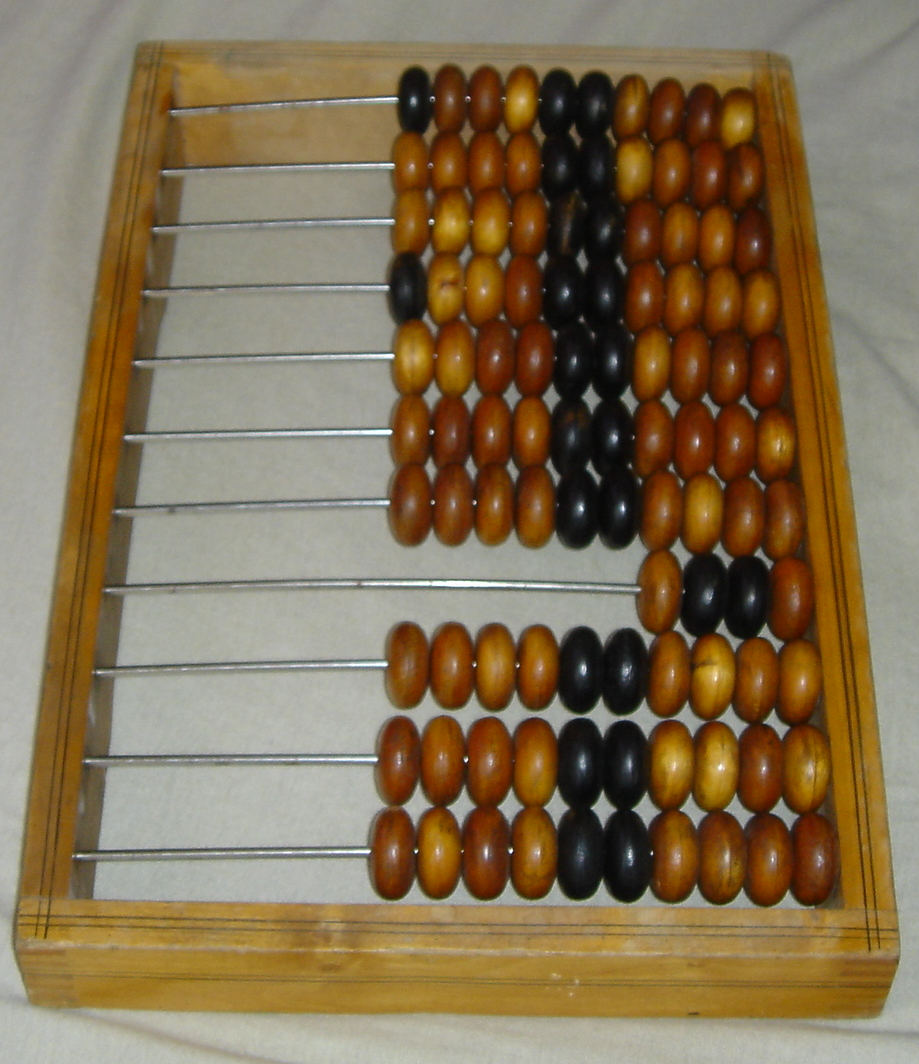
Most modern commercial abaci have columns that each represent a place value (units, tens, hundreds, etc.). Two common regional styles are the Chinese suanpan and the Japanese soroban. In the Chinese form each column is divided by a horizontal beam: beads above the beam typically count five units each and beads below count one unit each. The Japanese soroban usually has one bead above and four below, which simplifies many procedures. To represent numbers the user moves beads toward the beam; special finger techniques allow quick resets and carries.
- Core parts: frame, rods or wires, beads, and a central reckoning bar or beam.
- Values: columns denote place values; bead positions encode digits.
- Operations: addition, subtraction, multiplication and division are performed by sequences of bead movements and transfers rather than pencil-and-paper algorithms.
Operations and capability
An abacus can be used for addition, subtraction, multiplication and division, and with practiced techniques can also produce roots and other results such as the square root of whole numbers. Enthusiasts and trained users often develop mental-image methods (mental abacus) which combine finger movement training with visualization. In competitive or educational settings some experts can perform multi-digit calculations as fast as or faster than casual use of electronic devices; see demonstrations that compare abacus speed to simple calculators (performance comparisons).
History and geographic varieties
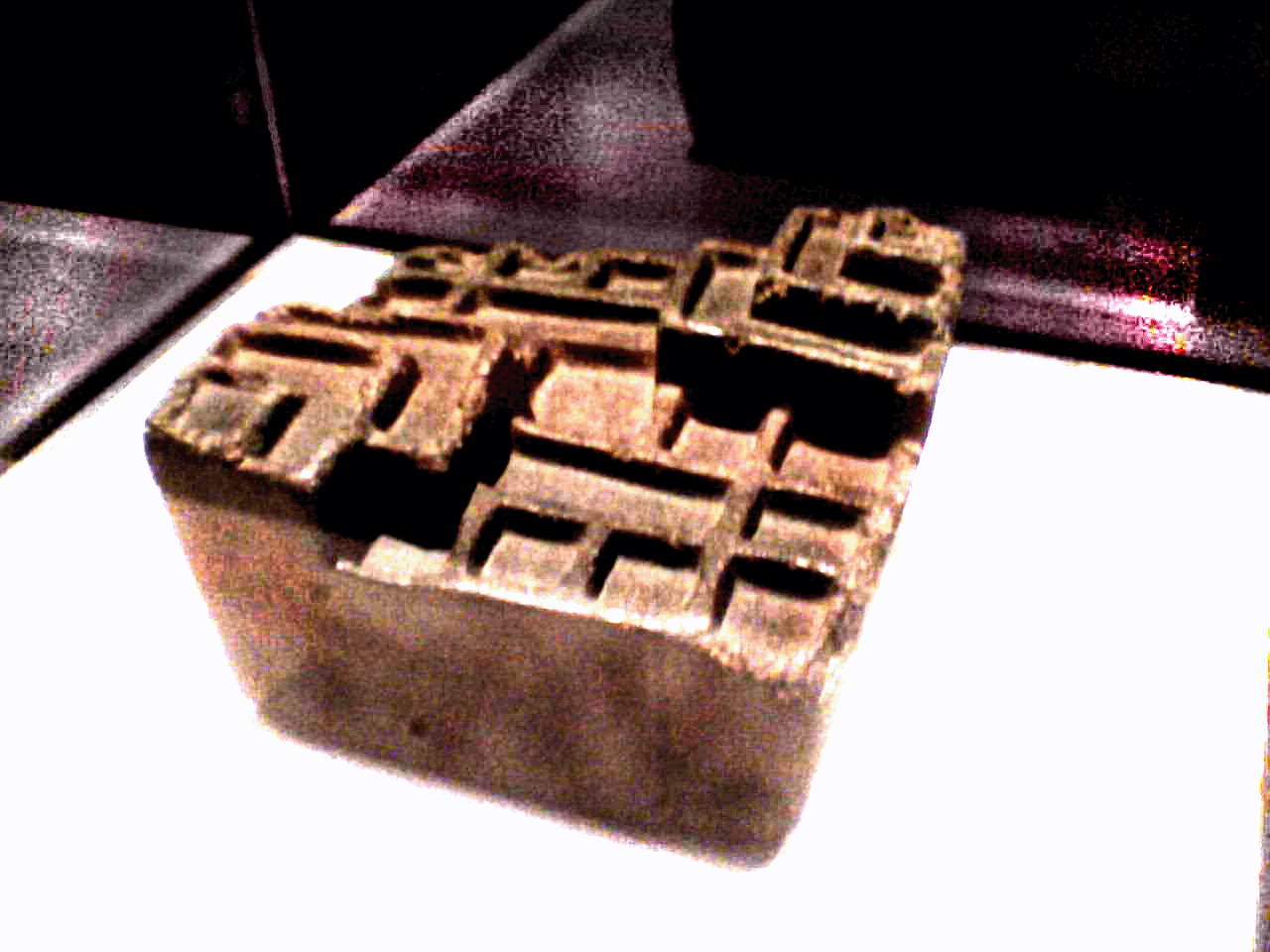
Counting boards and early bead-frames date back millennia, with variants appearing in ancient Mesopotamia, Rome and China. Over time the device evolved into recognizable forms: Chinese suanpan, Japanese soroban, Russian schoty and other regional types each reflect local notation and commercial needs. The modern soroban was refined in the 17th–20th centuries to match the decimal system and simplify schooling.
Uses, education and notable facts
Today the abacus is used in elementary education to teach number sense and place value, in markets where electricity is unavailable or where rapid mental arithmetic is valued, and by visually impaired people because bead positions provide direct tactile information; organizations promote tactile training and literacy for blind users (tactile use). Mental-abacus training is a common extracurricular activity in some countries and has demonstrable benefits in working memory and concentration.
Distinctions and modern relevance
While digital calculators and computers handle large and complex computations, the abacus remains a resilient, low-cost tool that teaches foundational ideas about number systems and computation. Its simplicity makes it durable, portable and accessible; in many classrooms and markets it continues to serve both practical and pedagogical roles.
Questions and answers
Q: What is an abacus?
A: An abacus is an old tool used for arithmetic. It consists of beads on rods that can be moved to do addition, subtraction, multiplication, division and find the square root of whole numbers.
Q: How is it used?
A: Abacuses are still used in some parts of the world, and they are well suited for use in shops and street markets. Sometimes blind people use an abacus because they can feel the numbers easily.
Q: Is it faster than a calculator?
A: Expert abacus users can sometimes do math faster than basic calculators.
Q: What is a common Chinese abacus like?
A: A common Chinese abacus is split into two kinds of basic rows - the top row for "5"s and the bottom row for "ones". There are one or two beads in the top rows, and four or five beads in the bottom ones. Every column represents a different digit.
Q: How does it represent numbers?
A: The number 8 would be represented by one bead on top and three below, because 5 + 3 = 8.
Q: Can you do more than just addition with an abacus?
A: Yes, you can also do subtraction, multiplication, division and find the square root of whole numbers with an abacus.
Related articles
Author
AlegsaOnline.com Abacus: history, design, and uses of the manual calculating frame Leandro Alegsa
URL: https://en.alegsaonline.com/art/284