
Henan Province: geography, history, culture and key cities
Overview of Henan, a central-eastern Chinese province: name origin, geography, major cities, historical significance, economy and cultural highlights including ancient capitals and notable sites.
Overview
Henan is a province in the central-eastern part of the People's Republic of China. Its name literally means "south of the Yellow River" and reflects the province's long relationship with that river. Henan's one-character abbreviation is Yu (豫), a historical reference that helps distinguish it from other provinces whose names begin with "He" (河).
Image gallery
10 Images


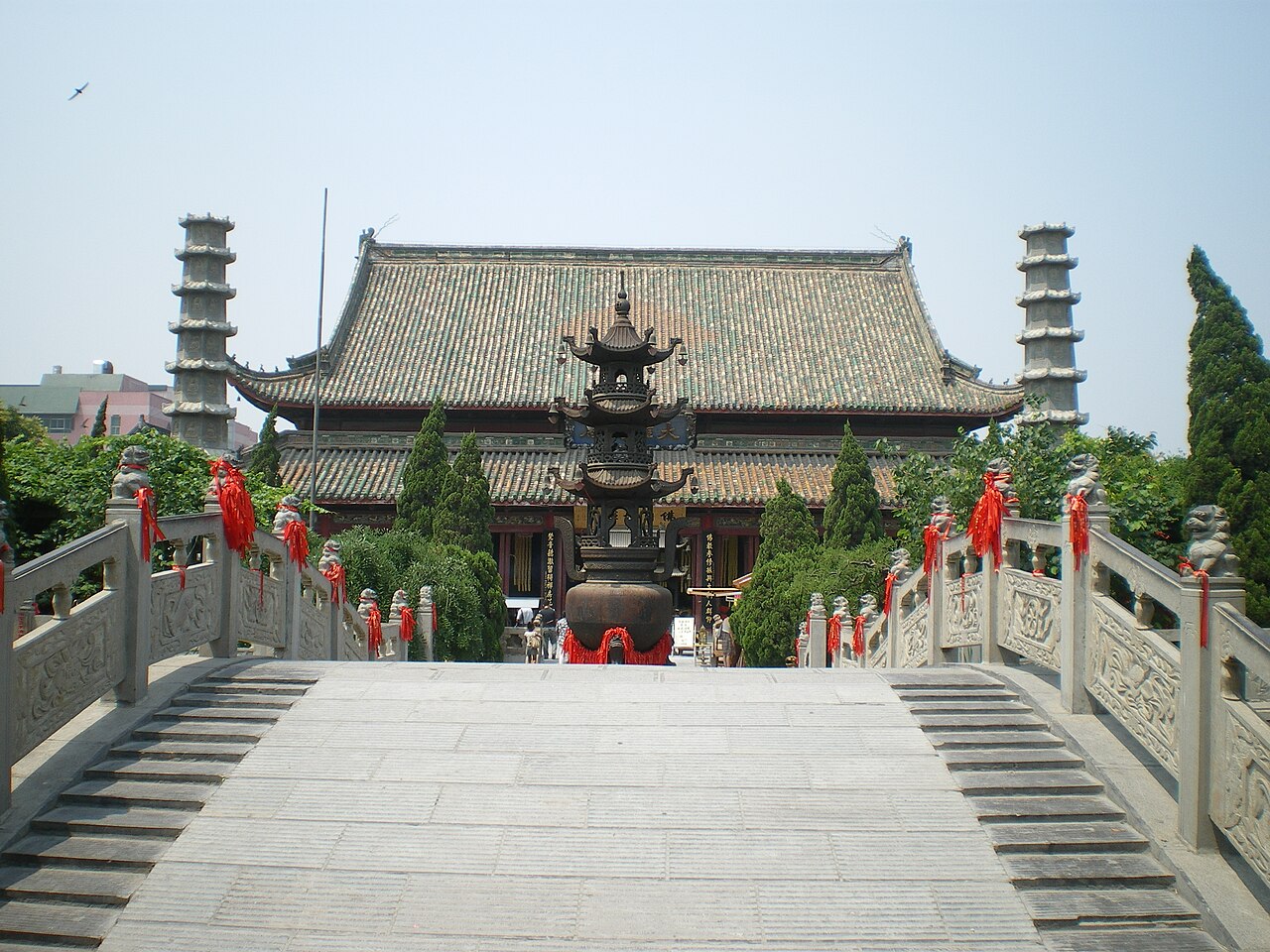


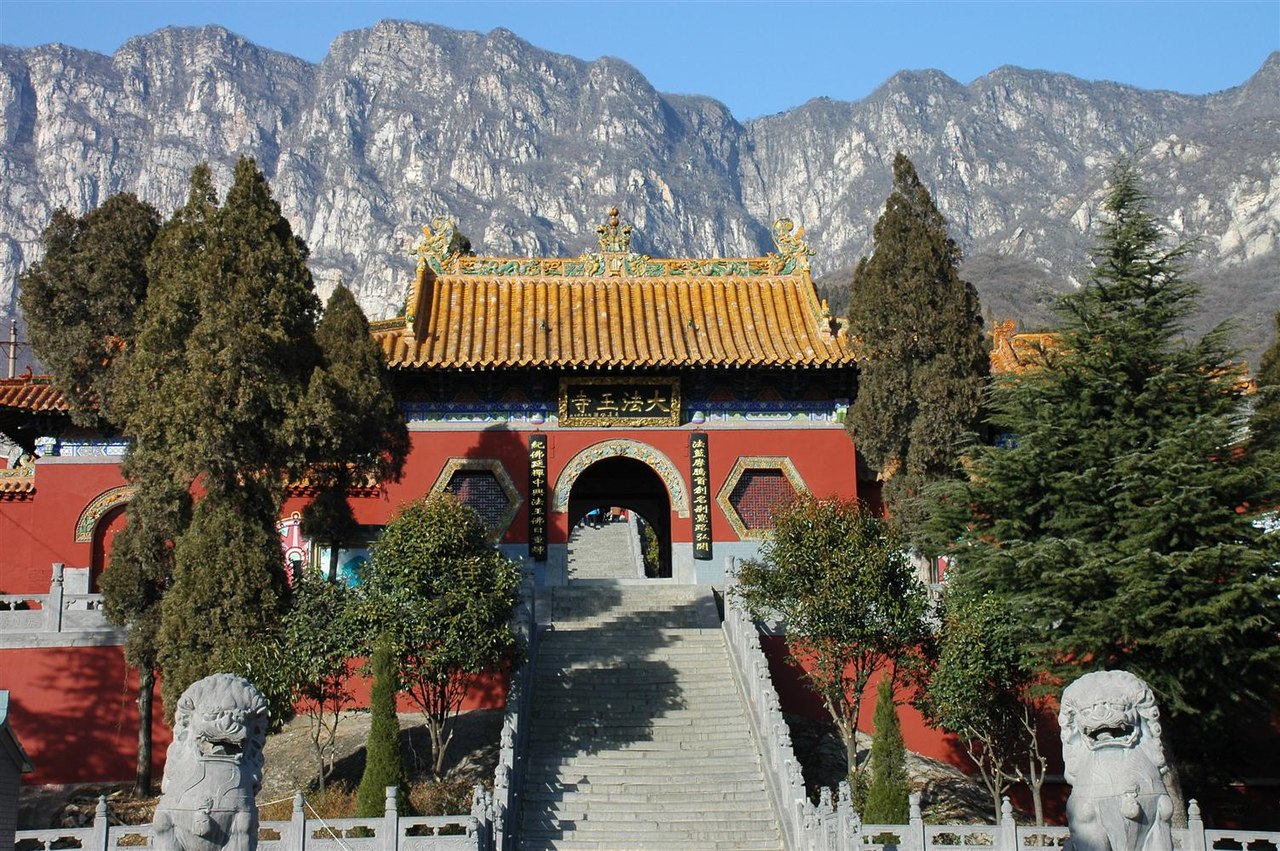
Geography and administration
Henan lies on the middle and lower reaches of the Yellow River and serves as a transitional zone between China's north and south. Its terrain includes river plains, rolling hills and some mountainous areas toward the south and west. The provincial capital is Zhengzhou, an important transportation and industrial hub. Administratively the province contains many prefecture-level cities that are centers for regional governance, industry and agriculture.
Major cities
Henan contains numerous cities with long histories or modern economic roles. Important urban centers include:
- Anyang
- Hebi
- Jiaozuo
- Kaifeng
- Luohe
- Luoyang
- Nanyang
- Pingdingshan
- Puyang
- Sanmenxia
- Shangqiu
- Xinxiang
- Xinyang
- Xuchang
- Zhengzhou (capital)
- Zhoukou
- Zhumadian
History and cultural significance
Henan occupies much of the cradle of Chinese civilization: archaeological finds and written records show that several of China's earliest dynasties and capitals were located here. Cities such as Luoyang and Kaifeng served repeatedly as imperial capitals. The area around Anyang is known for Shang dynasty oracle bones and early urban remains. Over centuries Henan has been both an agricultural heartland and a meeting point for cultural exchange.
Economy, culture and notable sites
Henan's economy blends agriculture, manufacturing, mining and increasingly services and logistics because of its central location. The province produces staple crops and also hosts heavy industry in several cities. Culturally, Henan has contributed classical literature, traditional opera styles and martial arts traditions; for example, the area near Zhengzhou is associated with the historic Shaolin Temple, a site often referenced in accounts of Chinese martial culture. Tourism highlights include ancient tombs, historic capital sites and riverside landscapes linked to the Yellow River's history.
Distinguishing facts
While Henan's fertile plains and long-settled cities make it a key region in China's historical geography, the province today is a mixture of densely populated urban centers and extensive rural areas. Its abbreviation Yu (豫) reflects an ancient territorial name and is used in vehicle plates and shorthand; the province's connection to the Yellow River remains a defining geographic and cultural feature.
For general information about the nation and the major river that give Henan context, see China and the Yellow River.
Related articles
Author
AlegsaOnline.com Henan Province: geography, history, culture and key cities Leandro Alegsa
URL: https://en.alegsaonline.com/art/43476
Sources
- china.org.cn : An Introduction to Chinese Provinces