
Aphid: biology, impact on plants, control, and notable facts
Aphids are small sap‑feeding insects (over 4,000 species) that damage plants directly and by spreading viruses. This article covers their biology, impacts, natural enemies, control, distribution, and notable traits.
Aphids are small, soft-bodied sap-sucking insects that feed on vascular plants. With more than 4,000 described species and roughly 250 considered important pests, aphids vary in color and form and typically measure between 1 and 10 mm in length. They feed by inserting needle-like mouthparts into plant tissues, extracting sap and causing symptoms such as leaf yellowing, curling, stunting and the production of sticky honeydew that can lead to sooty mold.
Image gallery
10 Images


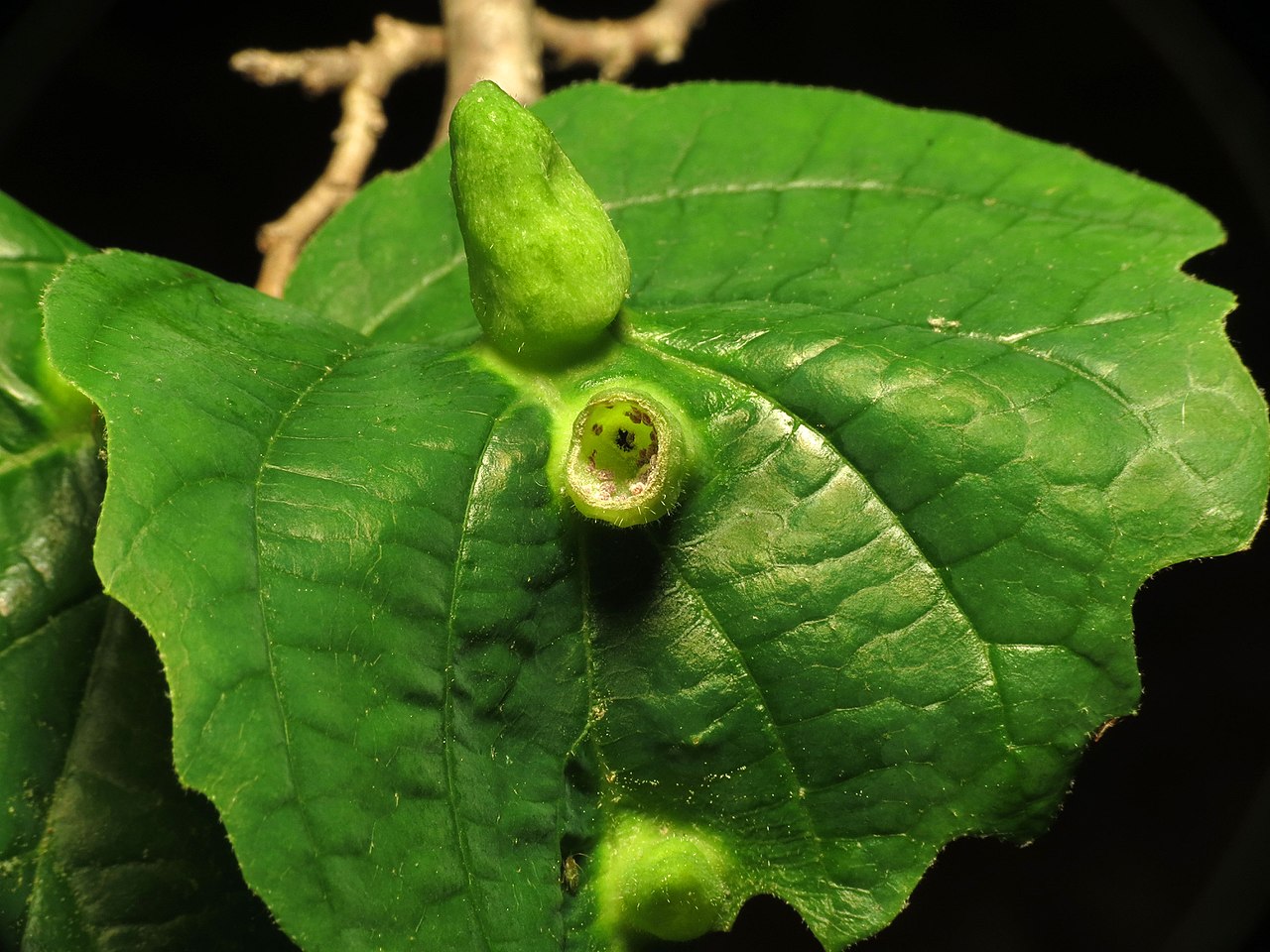


Biology and life cycle
Aphids display a range of reproductive strategies, including rapid asexual reproduction (parthenogenesis) that can produce multiple generations in a single season, and sexual reproduction that typically produces overwintering eggs in cooler climates. Many species produce winged and wingless morphs: winged forms disperse to new plants when densities rise or when host quality declines. Some aphids reproduce viviparously (giving birth to live young) during favorable conditions, enabling explosive population growth on host plants.
Feeding, damage and role as vectors
By removing phloem sap and injecting saliva, aphids can cause direct feeding damage and deformities. Their honeydew supports the growth of sooty molds and attracts ants, which in many cases protect aphids from predators in exchange for the sugary exudate. Critically, many aphid species are efficient vectors of plant viruses; a single feeding event can transmit pathogens that reduce crop yield and quality, making them economically significant pests in agriculture and horticulture.
Natural enemies and integrated control
Aphids are kept in check by a diverse array of natural enemies and management practices. Predators such as lady beetles (ladybugs), hoverfly larvae and lacewings consume large numbers of aphids. Parasitoid wasps lay eggs in aphids, producing mummified individuals, and entomopathogenic fungi can cause epizootics. Common cultural and control measures include encouraging natural enemies, using tolerant plant varieties, removing heavily infested shoots, applying insecticidal soaps or horticultural oils for localized outbreaks, and, when necessary, targeted chemical or systemic controls as part of an integrated pest management (IPM) approach.
Distribution, dispersal and human influence
Aphids are widespread, most abundant in temperate regions but present in virtually all ecosystems with vascular plants. Many species disperse long distances by wind as tiny winged adults or nymphs carried on air currents; human activity also spreads aphids through the movement of infested nursery stock, cuttings and agricultural produce. Some species have become invasive outside their native ranges and can rapidly colonize new areas.
Notable traits and examples
Characteristic features of aphids include the cornicles (short tube-like structures on the abdomen) and the production of honeydew. Common pests include the green peach aphid, blackbean aphid and lettuce aphid; the latter has been recorded moving between regions via wind and trade. Their complex life histories, including host alternation in some species (switching between woody and herbaceous hosts), make management challenging and a subject of ongoing research.
Further information and resources
- Introduction to aphids
- Plant hosts and feeding
- Species diversity and classification
- Key pest species
- Agricultural and forestry impacts
- Typical sizes and morphology
- Natural enemies: aphid predators
- Lacewings and biological control
- Aphid midges and parasitoids
- Predatory spiders and generalist enemies
- Historical spread examples
- Preventing spread through plant trade
Questions and answers
Q: What do aphids feed on?
A: Aphids feed on plants.
Q: What type of damage do aphids cause?
A: Aphids cause more plant damage than any other insects.
Q: How many different species of aphid are there?
A: There are over 4,000 different species of aphid.
Q: How many of the species of aphid are serious pests for agriculture and forestry?
A: About 250 species are serious pests for agriculture and forestry.
Q: What are some natural enemies of aphids?
A: Some natural enemies of aphids include predatory lady beetles, hoverfly larvae, lacewings, larvae of the aphid midge Aphidoletes aphidimyza, crab spiders, and insect-eating fungi like Lecanicillium lecanii.
Q: Where are aphids most common?
A: Aphids are most common in temperate zones.
Q: How do aphids spread to different locations?
A: Aphids can travel far in the air and have also been spread by human transportation of infested plant materials.
Related articles
Author
AlegsaOnline.com Aphid: biology, impact on plants, control, and notable facts Leandro Alegsa
URL: https://en.alegsaonline.com/art/4872
Sources
- abc.net.au : "Landline: Scientist battles lettuce aphid"