
Annonaceae — the custard-apple family of tropical flowering plants
Annonaceae is a large, mostly tropical family of flowering plants (Magnoliales) that includes custard-apples, ylang-ylang and pawpaw; important for fruits, timber, aromatic oils and ecological interactions.
The Annonaceae, commonly called the custard-apple family, form one of the major groups of magnoliid flowering plants. Members are largely tropical and subtropical, though a few species extend into temperate zones. This family is notable for its fleshy, often aromatic fruits and for economically important species such as Annona (custard apples and soursop) and Asimina (pawpaw). For a concise family name reference see custard-apple and for placement among related groups see Magnoliales.
Image gallery
5 Images



Characteristics
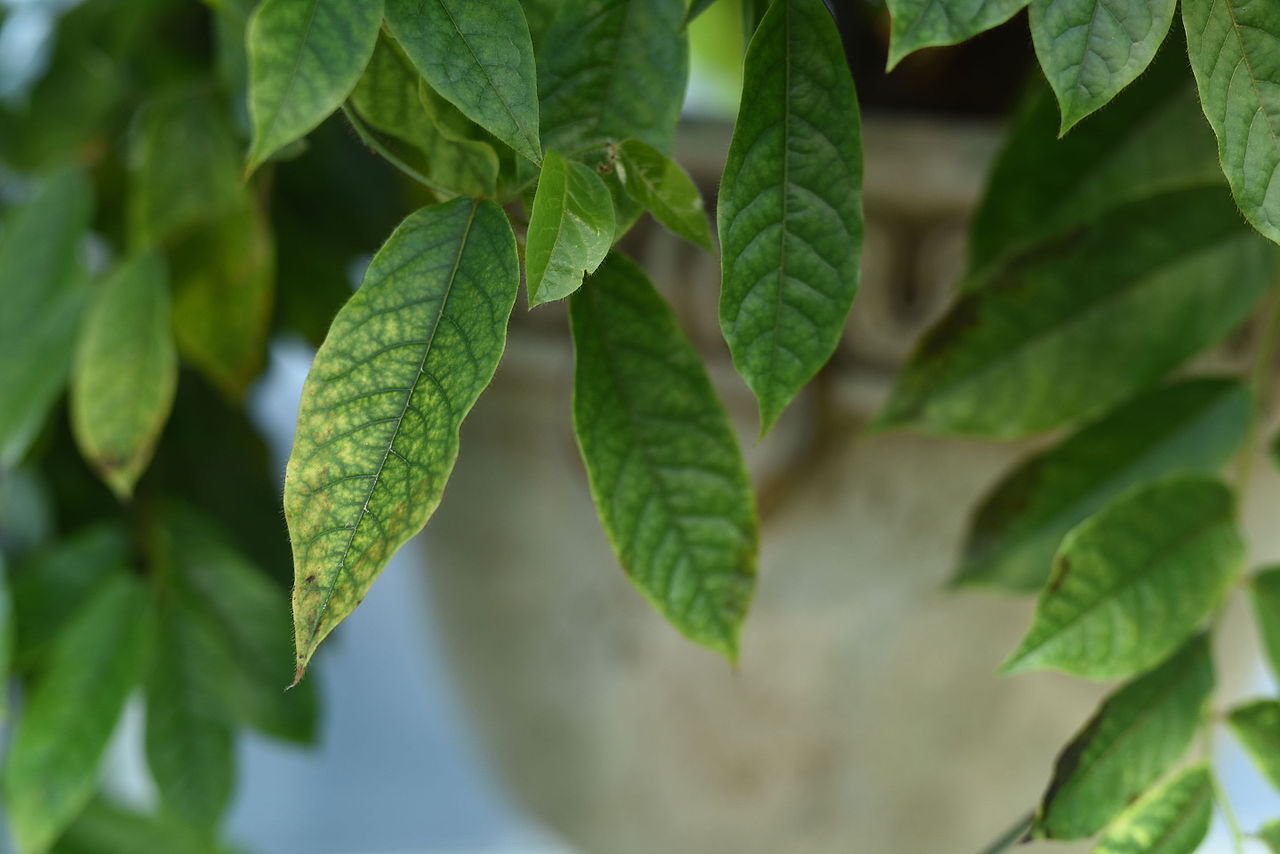
Annonaceae are woody plants: mostly trees, shrubs and lianas. Leaves are simple, alternate and usually free of stipules. Flowers tend to be regular and trimerous (parts in threes), with a perianth of separate sepals and petals arranged in multiple whorls. A distinctive anatomical feature in many members is the aggregation of numerous free carpels that develop into cluster-like fruits; pollen is often shed in permanent tetrads. Examples of growth forms can be explored through general references to trees and shrubs within the family.
Distribution and diversity
Most species occur in tropical lowland rainforests and seasonally dry forests across Africa, Asia, Australasia and the Americas. The family contains many genera and species—treatment counts commonly cited list about 129 genera and roughly 2,300 species—making it one of the larger angiosperm families. Genera of note include Annona, Asimina, Cananga (source of ylang-ylang oil), Xylopia and Guatteria.
Uses and importance
- Fruits: Several species produce large, pulpy fruits consumed locally or cultivated for markets (e.g., cherimoya, soursop, sugar-apple, pawpaw).
- Ornamental and aromatic uses: Flowers and essential oils—most famously ylang-ylang from Cananga—are used in perfumery and horticulture.
- Wood and traditional medicine: Some species provide timber or are used in traditional remedies; secondary metabolites have attracted pharmacological research.
Ecologically, many Annonaceae have specialized pollination systems, often involving beetles or flies attracted to strong floral scents. Fruit consumption by mammals and birds aids seed dispersal. Conservation concerns include habitat loss and overharvesting of valuable species, so knowledge of their ecology and sustainable management is important.
Taxonomically the family has been reshaped by molecular studies in recent decades, clarifying relationships within the magnoliids and prompting revisions at the genus level. For introductory overviews and identification keys consult general plant family resources and regional floras that treat Annonaceae within the Magnoliales context.
Related articles
Author
AlegsaOnline.com Annonaceae — the custard-apple family of tropical flowering plants Leandro Alegsa
URL: https://en.alegsaonline.com/art/4476
Sources
- itis.gov : Annonaceae
- botany.hawaii.edu : Annonaceae