
Hairpin turn (hairpin bend, switchback)
A hairpin turn is a very tight bend in a road or path that reverses direction almost 180°, commonly used on steep slopes, racetracks and trails to control gradient and speed.
A hairpin turn is a sharp, U-shaped bend in a road or path that forces a vehicle or traveler to reverse direction almost 180°. The shape resembles a bent hairpin or bobby pin, which is the origin of the name. In some regions, particularly in North America, these turns are often called switchbacks. Hairpins are a common feature of mountain roads, hiking trails and racing circuits where steep terrain or speed control require a tight change of direction.
Image gallery
6 Images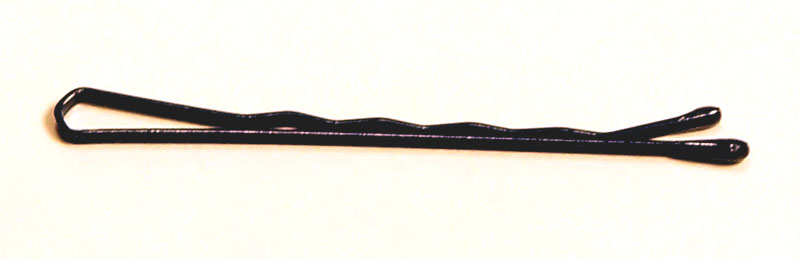


Design and characteristics
Hairpin turns are characterized by their very small turning radius compared with ordinary curves. Designers decide the curvature, banking (superelevation), width and sight distance to balance safety and space constraints. Typical elements include a near-180° alignment, often a reduced speed advisory, guardrails or barriers on the outside, and sometimes a widened inner lane to accommodate long vehicles. Curvature and grade are adjusted so the overall slope of the road remains manageable when climbing or descending steep terrain.
History and terminology
The term originates from the resemblance to a metal hairpin used in hairstyling. Historically, hairpins have existed wherever roads climb steep hills: early cart tracks and mountain passes used zig-zag routes to reduce gradients. Over time, civil engineers formalized these turns in road and trail plans; military and mining roads in mountainous regions often used them to move supplies and equipment. The form appears in many languages and is widely recognized by motorists, cyclists and hikers.
Uses and notable examples
Hairpin turns serve several practical purposes. On mountain roads they reduce the effective slope, making steep ascents and descents safer and more accessible. On racetracks, a hairpin is used to slow vehicles dramatically after a long straight, creating a prime overtaking opportunity. Railways sometimes use similar zig-zag alignments (known as reverses or switchbacks) where tunneling or looping is impractical. Cyclists, particularly in road racing, often encounter famous hairpin climbs and descents that influence tactics and spectacle.
- Mountain passes and scenic roads — frequently lined with protective barriers and cut into rock faces.
- Racing circuits — tight corners that test braking and cornering skill; see many track maps for examples (race circuits).
- Hiking and ski trails — used to manage steep slopes and conserve switchback geometry.
Well-known examples include alpine routes with multiple bends and the celebrated tight turns of street circuits. The ascent to the Col de Braus illustrates the repetitive arrangement of hairpins on steep climbs.

Safety and techniques
Negotiating a hairpin safely requires reducing speed before the turn, selecting an appropriate line that stays clear of oncoming traffic, and using controlled acceleration when exiting. Larger vehicles may need to swing wide or use the full lane. Road signs, chevrons and reduced speed limits are common aids. In racing, drivers brake hard, turn at low speed and then apply power early to maximize exit speed. Cyclists descend cautiously to prevent overheating brakes and losing control.
Beyond their engineering role, hairpin turns are visually striking and often become defining features of mountainous landscapes and courses. Images and maps of famous hairpins — from alpine passes to the tight bend by the Grand Hotel on the Monaco street circuit — highlight both their technical importance and their cultural appeal. 

Related articles
Author
AlegsaOnline.com Hairpin turn (hairpin bend, switchback) Leandro Alegsa
URL: https://en.alegsaonline.com/art/41807