
Bobby pin
Small U-shaped hair pin used to secure hair; also called a kirby grip or hair grip. Overview, design, history, common uses, tips, and differences from other hair fasteners.
A bobby pin is a small, U-shaped fastener used to hold hair in place. Known in British English as a kirby grip or hair grip, it is one of the simplest and most widely used tools in personal grooming and hairstyling. Its compact form makes it convenient for everyday wear, professional styling, and backstage work in theatre and fashion.
Image gallery
2 Images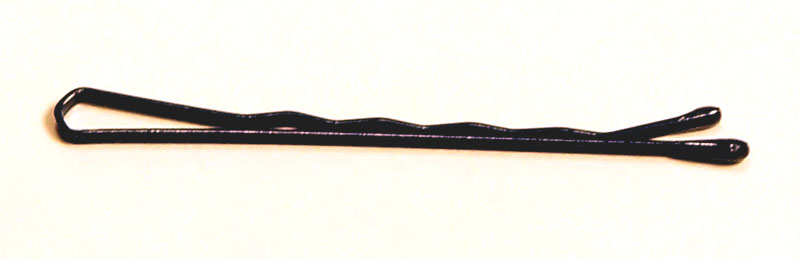

Design and characteristics
Typical bobby pins are made of springy metal and feature two parallel arms joined at one end. One arm is usually straight while the other has a slight wave or ridging to improve grip. Many are coated with paint or plastic to protect hair and resist corrosion; some have rounded tips for comfort. They come in a variety of lengths, thicknesses, and colors to match different hair types and styles.
History and name
The name "bobby pin" is commonly associated with the popularity of short "bob" haircuts in the early 20th century; the pin helped secure shorter styles. The alternative name "kirby grip" is widely used in the UK. Over time the tool became indispensable for both practical hold and decorative hairstyling.
Common uses and practical tips
- Securing buns, twists, and updos by inserting with the ridged side against the scalp for better hold.
- Pinning back bangs or flyaways during makeup application or sports.
- Temporary repairs and household improvisations—bobby pins are often repurposed when a small clip or fastener is needed.
For stronger hold, overlap two pins in an X shape. Avoid repeated bending to prevent metal fatigue. Coated pins minimize snagging and rust; metal-only pins can corrode if exposed to moisture.
Variations and distinctions
While similar in purpose to hair clips, slides and claw clips, bobby pins are distinguished by their low profile and the way they are hidden within a style. Specialty pins include decorative versions with beads or gems and heavier-duty pins for thick or textured hair. For further general information see bobby pin.
Tags
Related articles
Author
AlegsaOnline.com Bobby pin Leandro Alegsa
URL: https://en.alegsaonline.com/art/12561