
Halland County (Hallands län) — overview, geography, history, and administration
Halland County (Hallands län) is a coastal county in southwestern Sweden with its seat in Halmstad. Established in 1719, it includes six municipalities and is known for beaches, agriculture and regional governance.
Halland County (Swedish: Hallands län) is an administrative county on Sweden's west coast, occupying a stretch of the Kattegat shoreline in the southern part of the country. The county seat and largest city is Halmstad, a historic port and regional hub. Halland County functions as a modern län — a level of government responsible for regional services — while also roughly corresponding to the traditional province of Halland.
Image gallery
2 Images
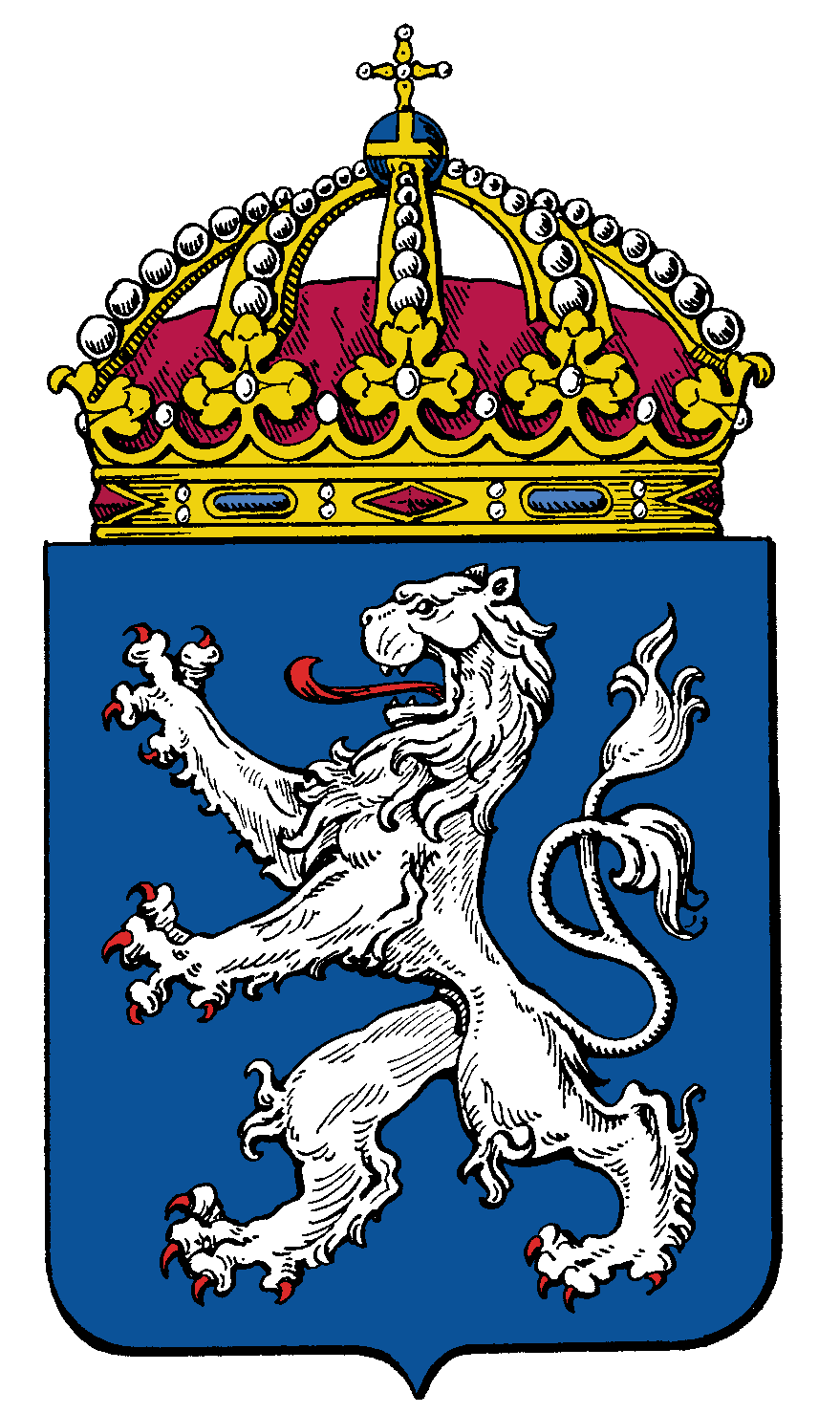
Geography and municipalities
Halland's landscape combines coastal beaches, fertile plains and forested inland areas. Several notable rivers run through the county, contributing to its agricultural productivity and scenic valleys. Administratively, Halland County is divided into six municipalities that handle local matters and services:
- Halmstad
- Varberg
- Falkenberg
- Kungsbacka
- Laholm
- Hylte
History and development
The county in its present form was established in 1719, a date often cited in descriptions of its administrative history (establishment 1719). The area itself has a longer past as the province of Halland, with medieval and early-modern ties to both Denmark and Sweden. Over the centuries the region developed around fishing, shipping and agriculture; later industrial and service sectors grew in the larger towns.
Halland's coastal towns have historically acted as gateways for trade along the Swedish west coast. In modern times the region balances preservation of natural and cultural heritage with infrastructure and economic development, including tourism centered on beaches and outdoor recreation.
Administration, economy and importance
Regional public services in Halland are organised through the county structure and by the regional council, often referred to as Region Halland, which oversees health care, public transport and regional planning. The county is well connected by road and rail to larger urban areas between Gothenburg and Malmö, supporting commuting and business links.
Economically, Halland combines agriculture on its fertile plains with light industry, logistics, and a growing tourism sector attracted to long sandy beaches and coastal resorts. Cultural life includes local festivals, historical sites in towns like Halmstad and Varberg, and an active outdoor culture.
Notable facts and distinctions
- Halland is both a historical province (landskap) and an administrative county (län), but the two concepts serve different cultural and governmental roles (county distinction).
- The region's seaside location has made it a popular summer destination and an important area for maritime activity.
- Regional governance in Halland focuses on healthcare, transport and sustainable development under the auspices of the county council and municipalities.
For more detailed maps, statistics and visitor information, consult regional resources and official sites that cover Halland's municipalities and services (southern Sweden, Hallands län). Historical overviews and archival records give further context to the county's development since its formal establishment in 1719 (history).
Additional authoritative resources and references are available through national and local institutions that document Halland's geography, governance and cultural heritage; these can help with planning travel, research or investment in the region (Halmstad, county, southern Sweden).
Related articles
Author
AlegsaOnline.com Halland County (Hallands län) — overview, geography, history, and administration Leandro Alegsa
URL: https://en.alegsaonline.com/art/41913
Sources
- scb.se : "Folkmängd i riket, län och kommuner 30 september 2017 och befolkningsförändringar 1 juli–30 september 2017. Totalt"