
Race track: purpose, design, types and cultural role
A race track is a dedicated facility designed for competitive racing of humans, animals, or vehicles. This article explains common designs, surfaces, history, uses and notable variations.
Overview
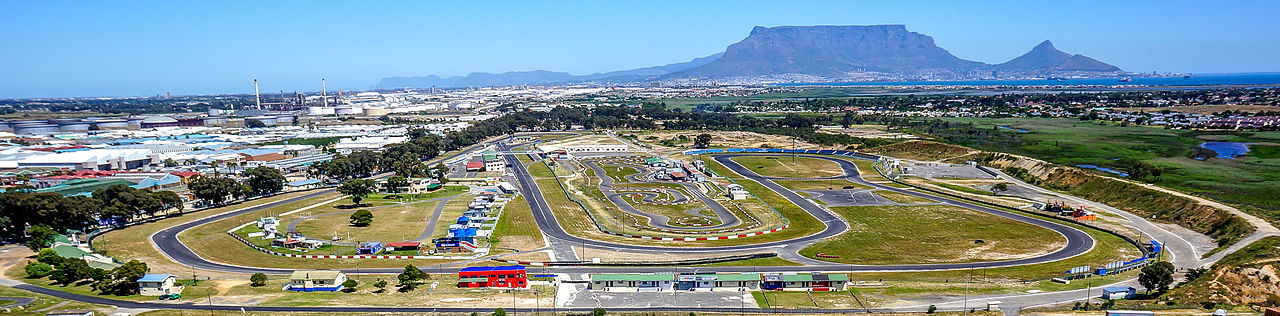
A race track is a purpose-built venue where two or more competitors complete a course to determine speed, skill, or endurance. Tracks host events for people, animals and vehicles and range from simple oval dirt loops to complex paved circuits. The general activity of racing is central to a track's identity: racing events may be short sprints, endurance contests, or time trials, and are often staged with spectator seating, timing systems and safety infrastructure.
Image gallery
10 Images




Design and main components
Tracks are engineered with several recurring elements that shape competition and spectator experience. Common components include:
- The track surface and geometry (length, banking, corners)
- Pit areas and paddocks for maintenance and staging
- Grandstands, hospitality suites and viewing areas for spectators
- Timing, scoring and safety systems such as barriers and runoff zones
Surfaces and types
Surfaces vary widely: grass, dirt or turf for horse or greyhound racing; clay or hard-packed soil for some cycle and stock car venues; asphalt and concrete for road and oval motor racing. Tracks are commonly categorized as ovals, circuits (closed-loop road courses), drag strips (straight-line sprints) and temporary street circuits created from public roads.
History and development
Organized tracks evolved as sports and transport technologies developed. Early examples include ancient stadia for foot races and later horsecourses for equestrian sport. With the advent of automobiles and motorcycles in the late 19th and early 20th centuries, purpose-built motor speedways and road circuits were constructed to control risks and standardize competition formats.
Uses, events and cultural importance
Race tracks serve multiple roles: staging competitive events such as horse racing, automobile racing and motorcycle racing; providing training and testing grounds; and generating local economic activity through ticket sales, broadcasting and tourism. Betting and wagering are associated with some forms of racing, notably horseracing, and major events can become cultural landmarks.
Variations and notable facts
Different jurisdictions use varied terminology—racecourse, speedway, circuit—and safety standards continue to evolve. Temporary circuits convert city streets, while permanent complexes may include multiple track layouts. Advances in materials science, barrier design and data telemetry keep improving performance and safety across disciplines.
See also
- Athletics Facility
- Track Sports
- List of racecourses
Questions and answers
Q: What is a race track?
A: A race track is a specific location that is designed for racing, whether it be for humans, animals, or vehicles.
Q: What types of racing typically occur on a race track?
A: Horse racing is an example of animal racing, and examples of vehicle racing include automobiles and motorcycles.
Q: What are some alternate names for race tracks?
A: Race course, speedway, and circuit are all alternate names for race tracks.
Q: Are there typically seats available for spectators to watch races?
A: Yes, it is common for a race track to have seats available for spectators to watch the race.
Q: Do people often place bets on animals and vehicles to win races at race tracks?
A: Yes, often race tracks are the place where people will bet on animals and vehicles to win.
Q: What is the purpose of a race track?
A: The purpose of a race track is to provide a safe and specific location for racing events to occur.
Q: Besides standard vehicle and animal races, are there any other types of racing that may take place on a race track?
A: There may be additional types of racing that take place on a race track, such as go-kart racing, motorcycle drag racing, or even drone racing.
Related articles
Author
AlegsaOnline.com Race track: purpose, design, types and cultural role Leandro Alegsa
URL: https://en.alegsaonline.com/art/80684
Sources
- merriam-webster.com : "Definition of RACETRACK"