
Halland: coastal province of southern Sweden
Halland is a coastal historical province on Sweden's west coast, known for sandy beaches, fertile farmland and a history as Danish territory until the 17th century when it became part of Sweden.
Halland is a historical province on the west coast of southern Sweden, facing the Kattegat. It is known for long sandy beaches, agricultural plains, and a coastline that has shaped its economy and culture. The largest town and traditional center is Halmstad, and the province remains a popular destination for seaside recreation and countryside tourism.
Image gallery
3 Images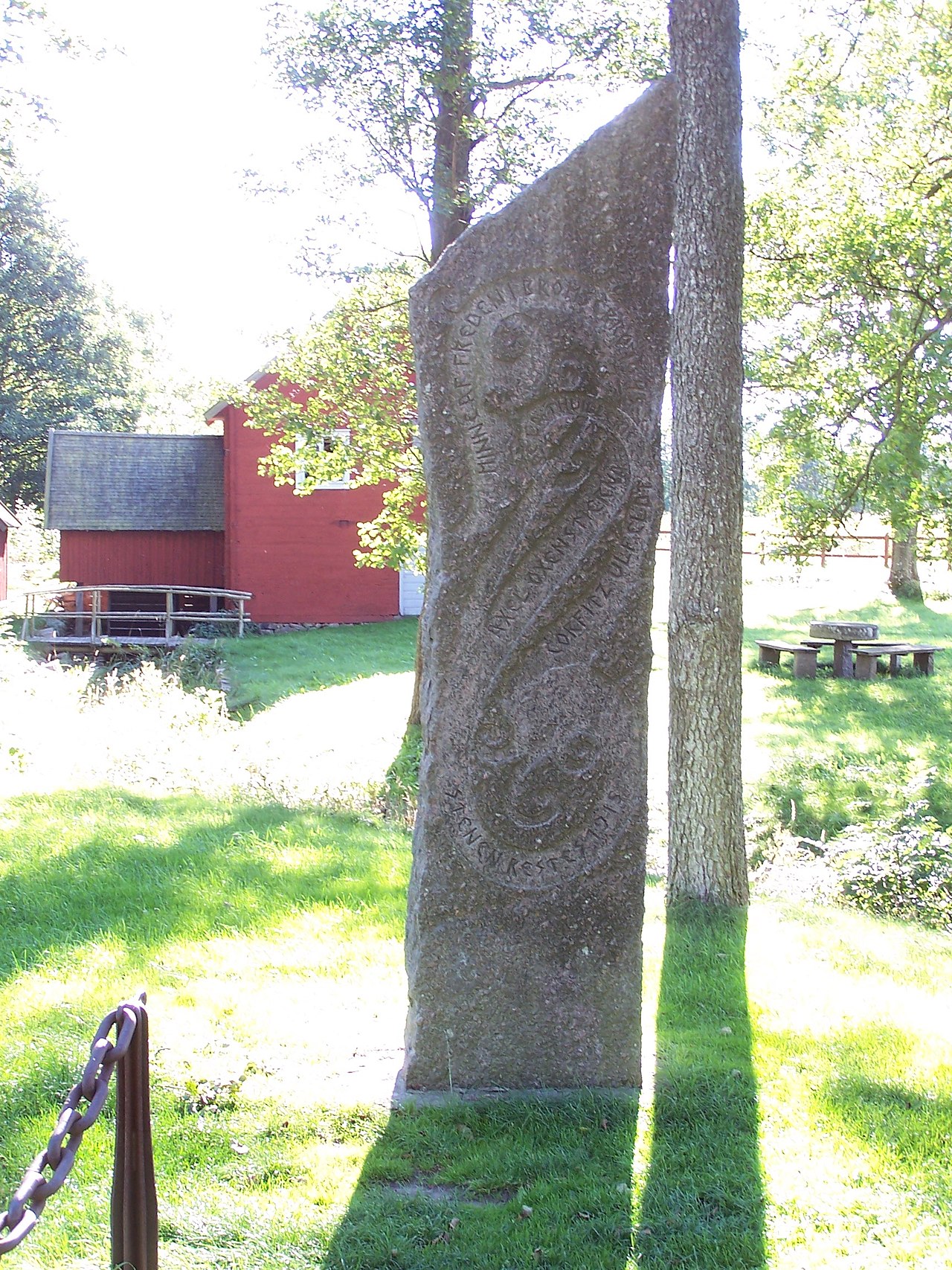


Geography and economy
Halland combines low-lying coastal areas with gentle inland hills. Fertile soils and a temperate climate have supported agriculture for centuries, while the coast encourages fishing, shipping and seasonal tourism. Modern economic activity also includes small industry and services concentrated in urban centers.
Major towns, rivers and landmarks
- Major towns: Halmstad, Varberg, Falkenberg and Kungsbacka are among the better-known local centers.
- Rivers: several southwesterly rivers run to the Kattegat, shaping valleys and settlements.
- Landmarks: coastal forts and medieval remains, alongside beaches and nature reserves, mark the landscape.
History and political status
Historically Halland belonged to the Danish kingdom and changed hands during the 17th century conflicts between Denmark and Sweden. It came under Swedish control during the mid-1600s and was permanently ceded to Sweden in treaties of that era. The province retains a distinct regional identity despite modern administrative changes.
Culture and significance
Local dialects belong to the southern Swedish dialect group and the region has a tradition of coastal folklore, agriculture-based cuisine and summer cultural events. Halland's beaches and historic towns make it a notable part of Sweden's coastal tourism.
Further information
For introductions and maps, see regional overview. For cultural or historical resources follow heritage sources. Contemporary administrative and travel information is available at local guides, and primary historical treaties and documents can be found via historical references.
Related articles
Author
AlegsaOnline.com Halland: coastal province of southern Sweden Leandro Alegsa
URL: https://en.alegsaonline.com/art/41914
Sources
- scb.se : "Statistics Sweden"