
Mont Ventoux — The Giant of Provence
Mont Ventoux is a prominent, wind-swept mountain in Provence, southern France, famed for its bare limestone summit, natural zones, and its status as an iconic Tour de France climb.
Overview
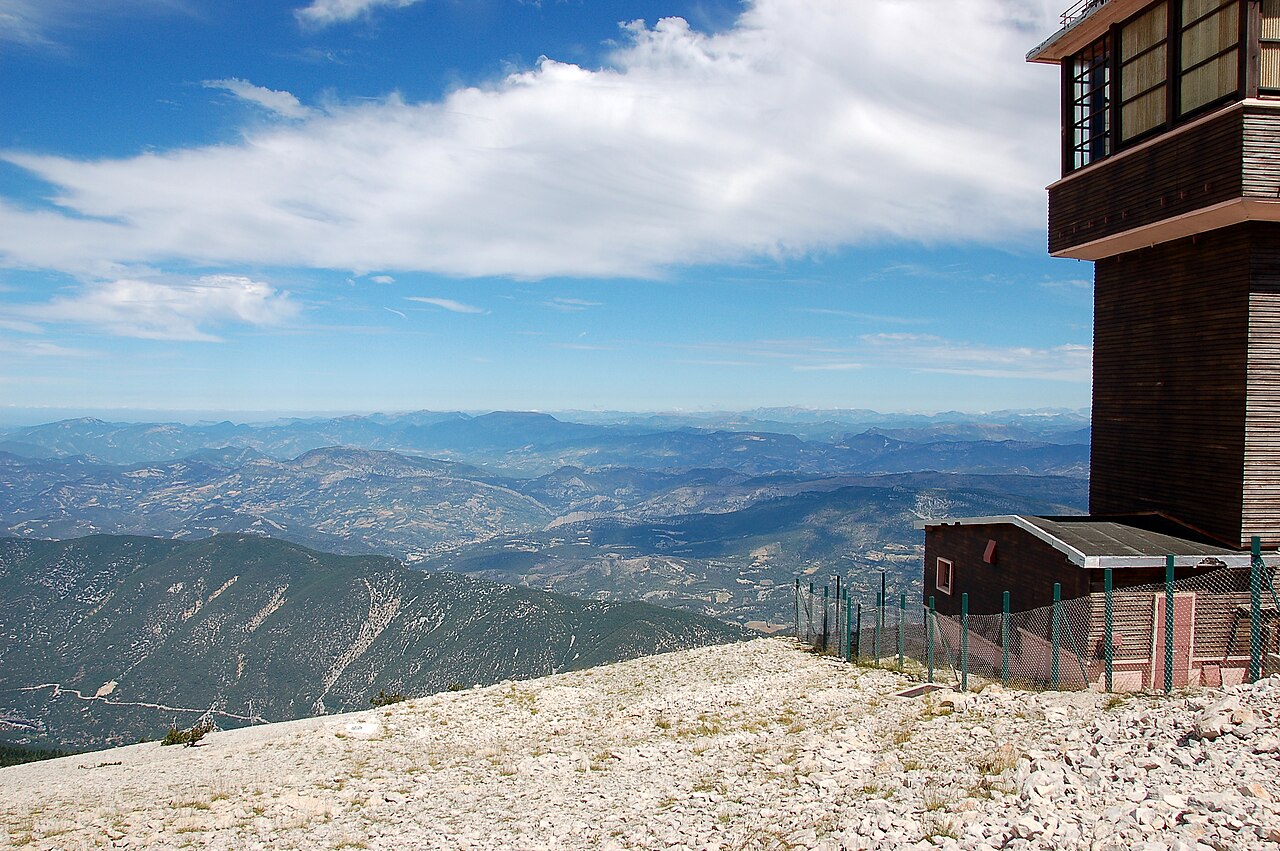
Mont Ventoux is a solitary mountain in the heart of Provence, in southern France. It rises prominently above surrounding plains and is the highest peak in its department, giving it local nicknames such as "Giant of Provence" and "The Bald Mountain" because of its largely treeless, pale summit. The mountain is visible for many kilometres and is an important regional landmark.
Image gallery
10 Images




Geography and characteristics
The mountain reaches roughly 1,900 metres above sea level and shows a marked change in vegetation with altitude: Mediterranean scrub and oak woodlands on the lower slopes give way to montane grasses and a bare, rocky cap shaped by wind and erosion. The summit supports communications and meteorological installations and provides extensive panoramic views on clear days.
History and human use
People have used the lower slopes for grazing and small-scale agriculture for centuries. A paved road and footpaths now provide access to the upper reaches, and the summit has long been a destination for hikers, scientists studying weather and ecology, and visitors seeking views of Provence. The mountain's exposed summit has also made it a site for scientific instruments and transmitters.
Cycling and cultural significance
Mont Ventoux is internationally known as a dramatic cycling challenge and a recurrent stage in the Tour de France. Climbs from different towns are popular with recreational cyclists and professionals alike; the ascent is famed for its steep pitches and for being highly exposed to wind. The mountain has figured in memorable and tragic moments of cycling history, underscoring its cultural place in French and international sport.
Access, routes and conservation
Visitors reach the mountain from several nearby towns and villages. Common approaches are signposted and maintained as roads or marked trails. Typical access points include routes near Carpentras and within the historic Vaucluse area. Efforts to balance visitor use with protection of the mountain's habitats focus on trail care and limiting erosion.
Notable facts
- The summit's bare appearance is the result of altitude, exposure and the character of the bedrock.
- Mont Ventoux offers a range of outdoor activities: hiking, cycling, wildlife observation and seasonal study of mountain weather.
- Its visibility and shape have made it a symbol in art, literature and regional identity.
For practical visitor information, trail maps and event schedules see resources linked for the area: local mountain guide, regional tourism, national park services, nearby town information and departmental resources.
Questions and answers
Q: Where is Mont Ventoux located?
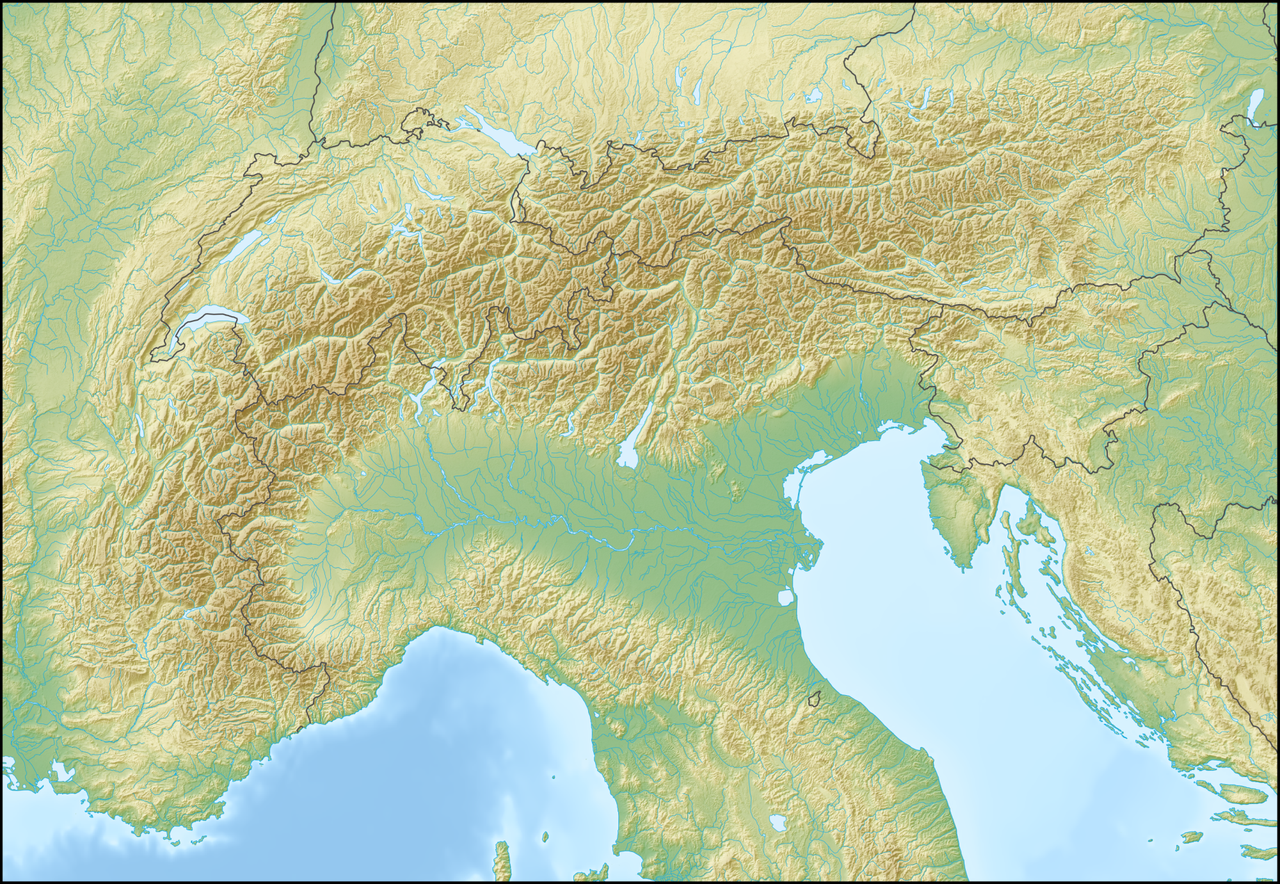
A: Mont Ventoux is a mountain located in the Provence region of southern France, around 20 km north-east of Carpentras, Vaucluse.
Q: What is the size of Mont Ventoux in comparison to other mountains in the region?
A: Mont Ventoux is the largest mountain in the region.
Q: What are some popular nicknames for Mont Ventoux?
A: The two popular nicknames for Mont Ventoux are "Giant of Provence" and "The Bald Mountain".
Q: What region in France is Mont Ventoux located in?
A: Mont Ventoux is located in the Provence region of southern France.
Q: How far is Mont Ventoux from the town of Carpentras?
A: Mont Ventoux is approximately 20 km north-east of Carpentras.
Q: What makes Mont Ventoux stand out among other mountains in the region?
A: Mont Ventoux is the largest mountain in the region, and is also known for its popular nicknames "Giant of Provence" and "The Bald Mountain".
Q: What is the closest city or region to Mont Ventoux?
A: Mont Ventoux is around 20 km north-east of Carpentras, Vaucluse.
Related articles
Author
AlegsaOnline.com Mont Ventoux — The Giant of Provence Leandro Alegsa
URL: https://en.alegsaonline.com/art/66219
Sources
- links.jstor.org : Renaissance or Prenaissance
- velo101.com : Site from Velo101.com