
Anglo-Saxon England: society, kingdoms, and legacy (5th–11th centuries)
History of England from the end of Roman rule to the Norman conquest (5th–11th c.), covering settlement, kingdoms, culture, Viking impact and the formation of an English identity.
Anglo-Saxon England refers to the period in the history of England from the collapse of Roman administration in the early 5th century until the Norman conquest in the 11th century. The term describes both the people known as the Anglo-Saxons and the complex societies they established. These communities grew from waves of migration and settlement by Germanic tribes, who moved by migration from areas of central Europe after the end of Roman control. Over several centuries they developed distinctive languages, laws and artistic traditions that would form the foundation of medieval England.
Image gallery
10 Images




Political landscape and kingdoms
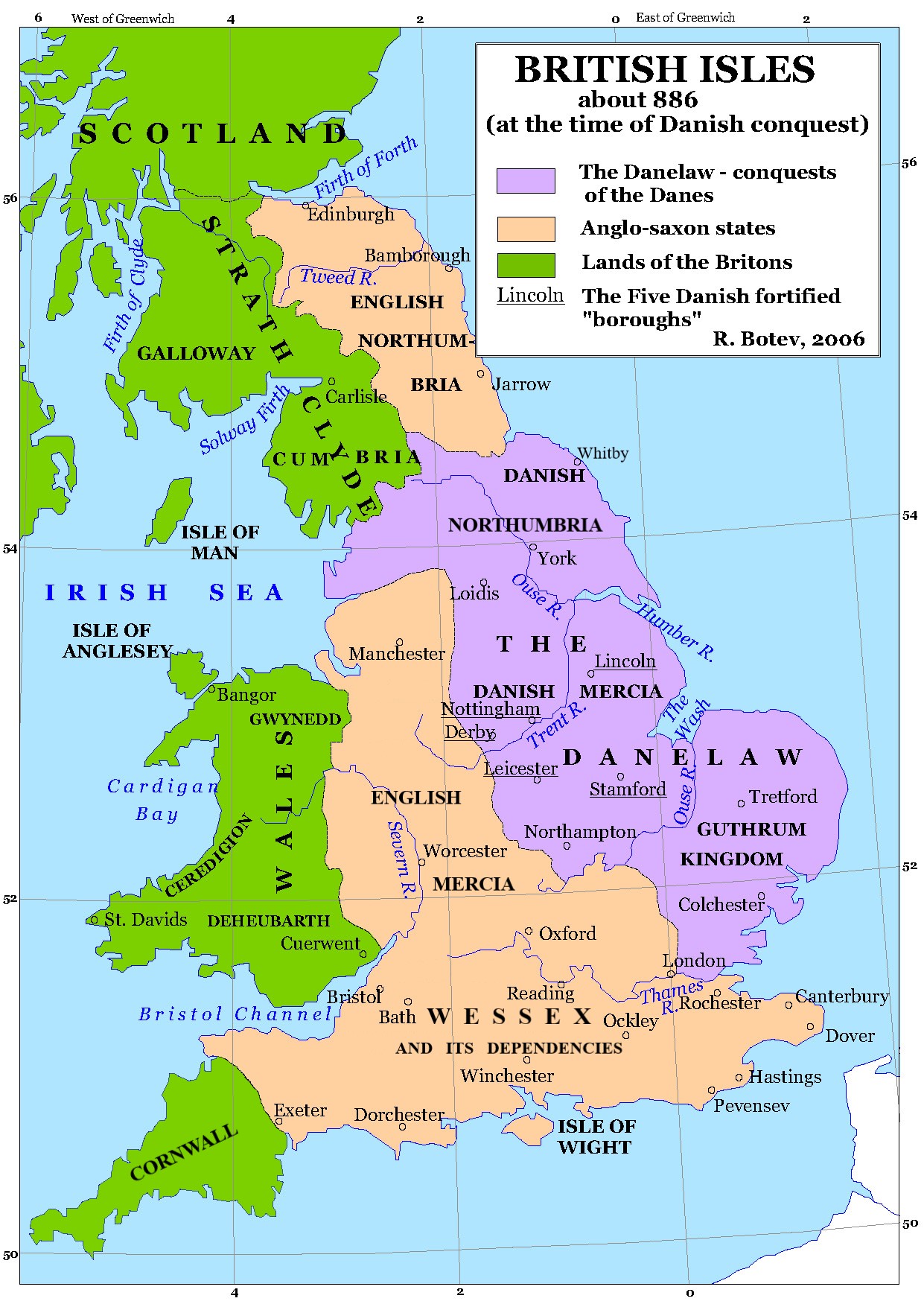
Anglo-Saxon England was initially divided into several independent and frequently competing kingdoms. By the 6th and 7th centuries seven principal polities are commonly recognised:
These kingdoms varied in size and power over time. Competition, dynastic change and external threats shaped shifting alliances until a clearer political unity began to emerge in the 9th and 10th centuries.
Culture, religion and society
Anglo-Saxon society combined agrarian village life, local law-courts, and strong kinship ties with developing urban centres and trade. The Old English language, produced literature and legal codes; craftsmen produced distinctive metalwork, sculpture and illuminated manuscripts. Christianity became widely established in the 7th century, brought by missionaries from both the continent and the Celtic world, and it transformed education, literacy and church organisation. Monasteries became centres of learning and artistic production.
External pressures and unification
From the late 8th century Britain faced new challenges from Viking invasions and settlement by Danish settlers. Large areas of eastern and northern England came under Scandinavian influence, leading to cultural exchange as well as conflict. Against this background, rulers of Wessex gradually extended influence and authority — a process sometimes described as Wessex hegemony — culminating in a more unified English kingdom in the later Anglo-Saxon period.
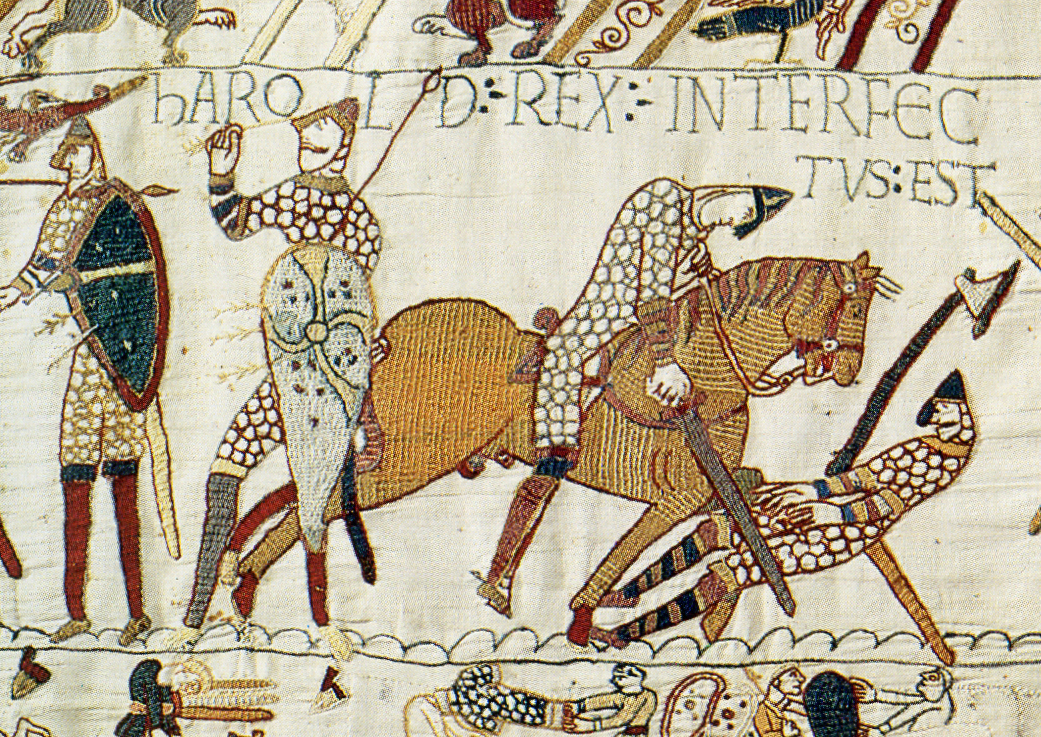
The era ended politically with the Norman conquest of 1066 and the defeat of Harold at Hastings, led by William the Conqueror. Although political power shifted, many elements of Anglo-Saxon culture persisted and contributed to the emergence of the modern English people, particularly in language, place-names, legal concepts and administrative practices.
Importance and sources
Our understanding of Anglo-Saxon England comes from a mixture of archaeological evidence, surviving manuscripts and contemporary chronicles. The period is important for the formation of English identity, the development of medieval institutions, and for art and literature in Old English. Distinctive features include local assemblies and law codes, fortified towns, and a rich tradition of metalwork and illuminated books. Study of this era continues to revise and enrich how scholars and the public view early medieval Britain.
England, Anglo-Saxons, Germanic tribes, migration, central Europe, Roman control, Northumbria, Mercia, East Anglia, Essex, Kent, Sussex, Wessex, Christianity, Viking invasions, Danish settlers, Wessex hegemony, Norman conquest, William the Conqueror, modern English people
Questions and answers
Q: What is Anglo-Saxon England?
A: Anglo-Saxon England is the history of England from the 5th to 11th centuries, during which the Anglo-Saxons, who were people from Germanic tribes, settled in southern Britain.
Q: Where did the Anglo-Saxons come from?
A: The Anglo-Saxons migrated to southern Britain from central Europe.
Q: When did Anglo-Saxon history begin?
A: Anglo-Saxon history began after the end of Roman control.
Q: What were the names of the seven Anglo-Saxon kingdoms in the 5th and 6th centuries?
A: The seven Anglo-Saxon kingdoms were Northumbria, Mercia, East Anglia, Essex, Kent, Sussex, and Wessex.
Q: When did Anglo-Saxon Christianity arrive in England?
A: Anglo-Saxon Christianity arrived in the 7th century.
Q: When did Viking invasions and Danish settlers start in England?
A: Viking invasions and Danish settlers started in England in the 8th century.
Q: When did Anglo-Saxon England end?
A: Anglo-Saxon England ended with the Norman conquest of England by William the Conqueror in 1066, although Anglo-Saxon identity survived beyond the conquest and developed into the modern English people.
Related articles
Author
AlegsaOnline.com Anglo-Saxon England: society, kingdoms, and legacy (5th–11th centuries) Leandro Alegsa
URL: https://en.alegsaonline.com/art/4197