
Anglo-Saxon runes (Futhorc): history, characteristics and uses
Anglo-Saxon runes (Futhorc) are an expanded runic alphabet used to write Old English and Old Frisian, adapted from the Elder Futhark and found on inscriptions and artifacts from late antiquity to the Middle Ages.
Overview
Anglo-Saxon runes, commonly called Futhorc, are the runic characters used in England and parts of the North Sea coast during the early medieval period. The term Futhorc derives from the sequence of its first sounds, in the same way the older Elder Futhark takes its name. These symbols recorded Germanic languages such as Old English and Old Frisian and are part of the broader family of runes used across northern Europe.
Image gallery
10 Images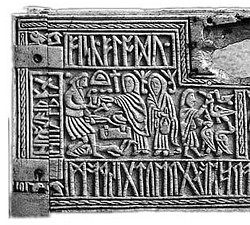




Characteristics and structure
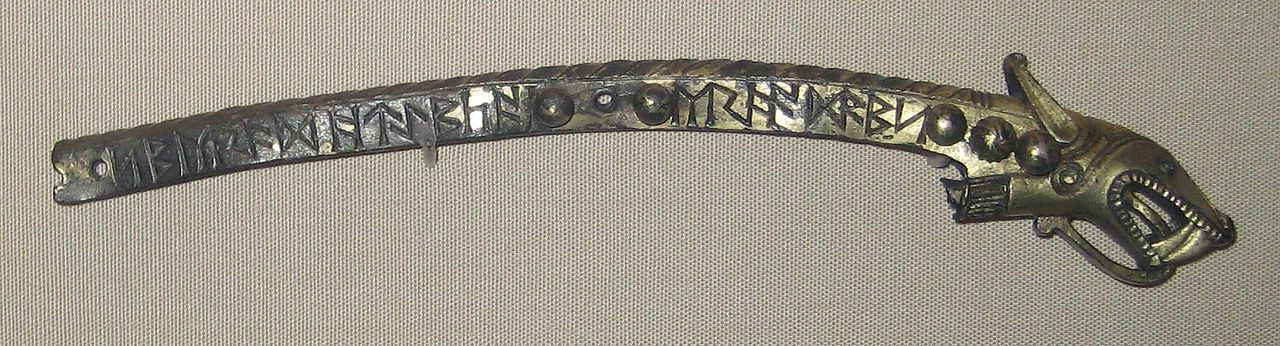
Futhorc expanded the 24-character Elder Futhark to accommodate the phonology of Old English, producing alphabets of roughly 26 to 33 runes in different inscriptions and periods. New signs were created for specific vowel and consonant sounds; some original runes were altered in shape. Directional conventions varied, though most surviving texts are written left-to-right. Runologists transliterate Futhorc into Latin letters to study sound changes and orthographic choices.
History and development
The script emerged as Germanic settlers adapted continental runes to local speech after the Roman withdrawal from Britain. From roughly the 5th century onward Futhorc was used alongside, and later increasingly replaced by, the Latin alphabet following Christianization. Inscriptions continue sporadically into the 9th century, after which they become rare; runic writing effectively disappears as a practical script after the Norman conquest and the consolidation of Latin literacy.
Materials, uses and notable examples
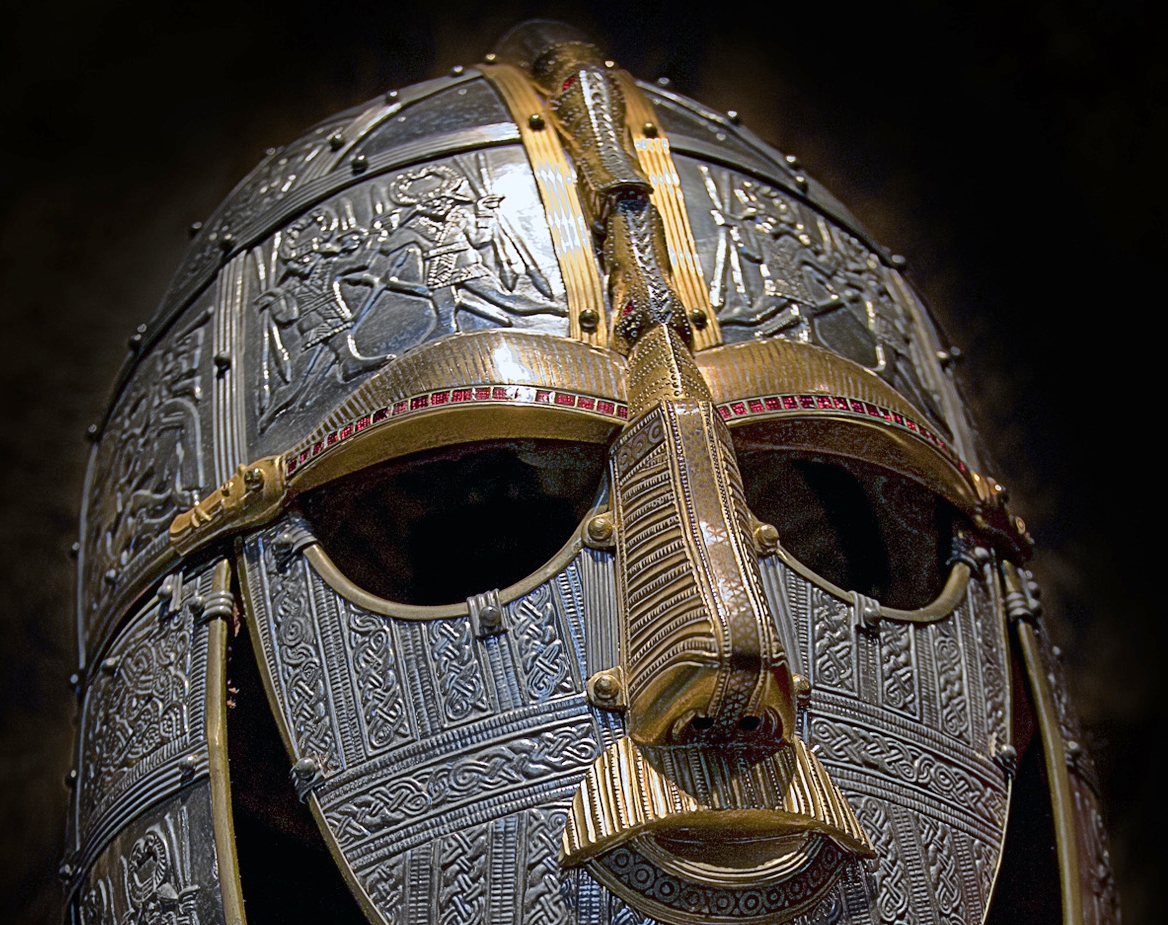
Futhorc appears on a variety of media: jewelry, weapons, bone and antler objects, coins, wooden sticks, and stone monuments. Uses ranged from simple ownership marks and memorial inscriptions to charms and votive or magical inscriptions. Notable surviving examples include the Franks Casket and runic texts found on stone crosses such as the Ruthwell and Bewcastle monuments.
- Common materials: metalwork, bone, stone, wood
- Contexts: practical labels, personal names, memorials, formulaic or ritual inscriptions
- Sources for study: rune poems and later medieval copies
Decline, legacy and study
The replacement of Futhorc by the Latin alphabet was gradual and tied to ecclesiastical and administrative change. Although everyday use faded, runes remained an object of antiquarian interest and occasional symbolic reuse. Modern scholarship reconstructs Futhorc forms and meanings from surviving inscriptions, comparative Germanic linguistics and contemporary texts. For introductions to the script and collections of inscriptions see general references and catalogues of Anglo-Saxon runic material.
For further reading on the alphabetic lineage and inscription corpus consult general overviews of Elder Futhark and region-specific studies of Old English and Old Frisian runic traditions, as well as collections devoted to runic artifacts and inscriptions (runes catalogues and cataloguing projects often cited in specialist literature). Broader historical context may be found in works addressing the transition to post-Norman medieval literacy and material culture.
Important modern resources and digital compilations provide images, transcriptions and commentary for researchers and interested readers; many such resources are organized by inscription, object type and chronological period.
See also archaeological and linguistic introductions to Germanic scripts for comparative perspectives and technical guidance on reading and interpreting Futhorc inscriptions.
Tags
Related articles
Author
AlegsaOnline.com Anglo-Saxon runes (Futhorc): history, characteristics and uses Leandro Alegsa
URL: https://en.alegsaonline.com/art/4199