
Anglo-Egyptian Sudan (1899–1956): Condominium, administration and legacy
Anglo-Egyptian Sudan was a condominium administered in name by Egypt and Britain from 1899 until Sudanese independence in 1956. This article summarizes its formation, governance, economy and legacy.
Overview
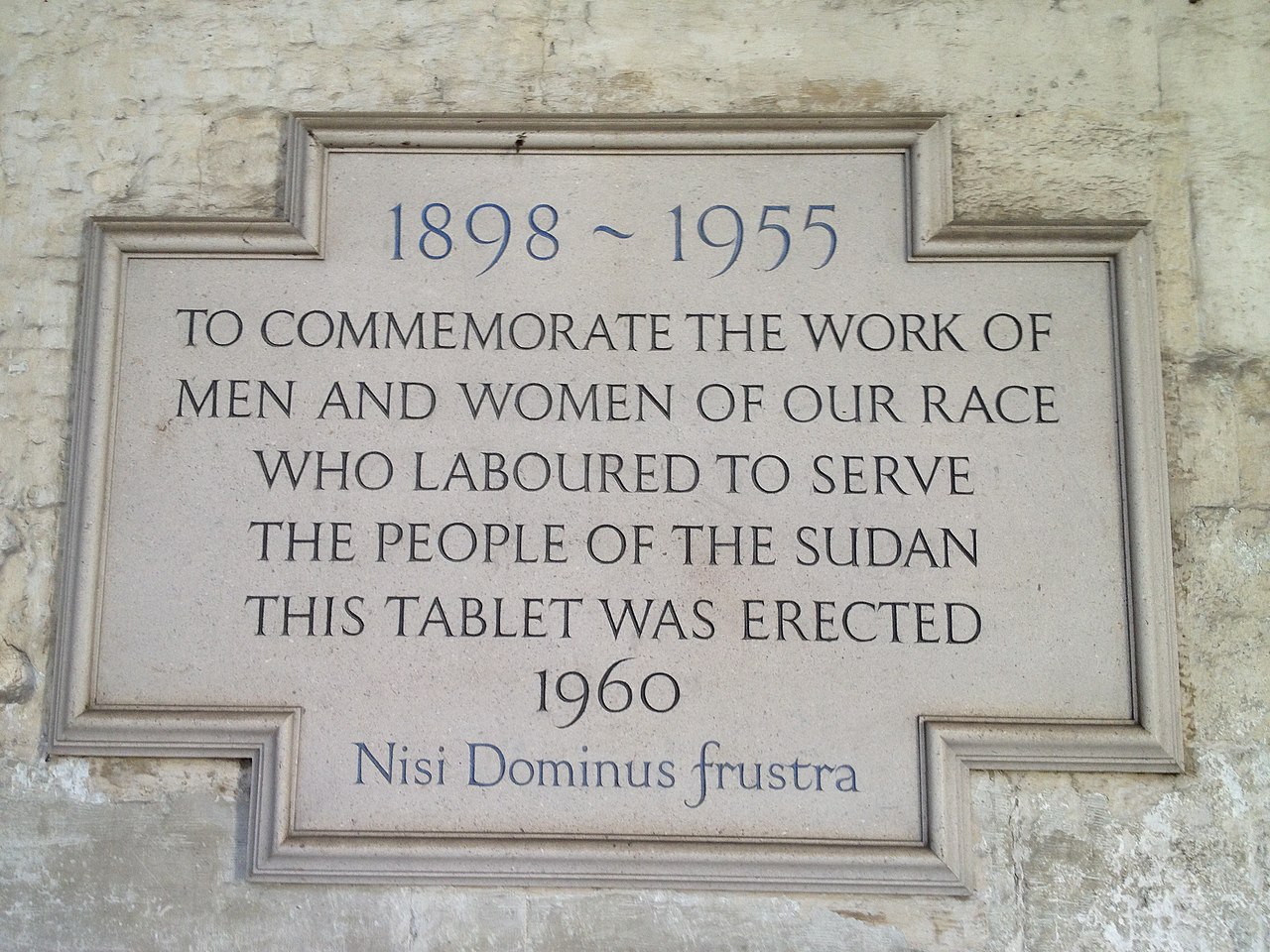
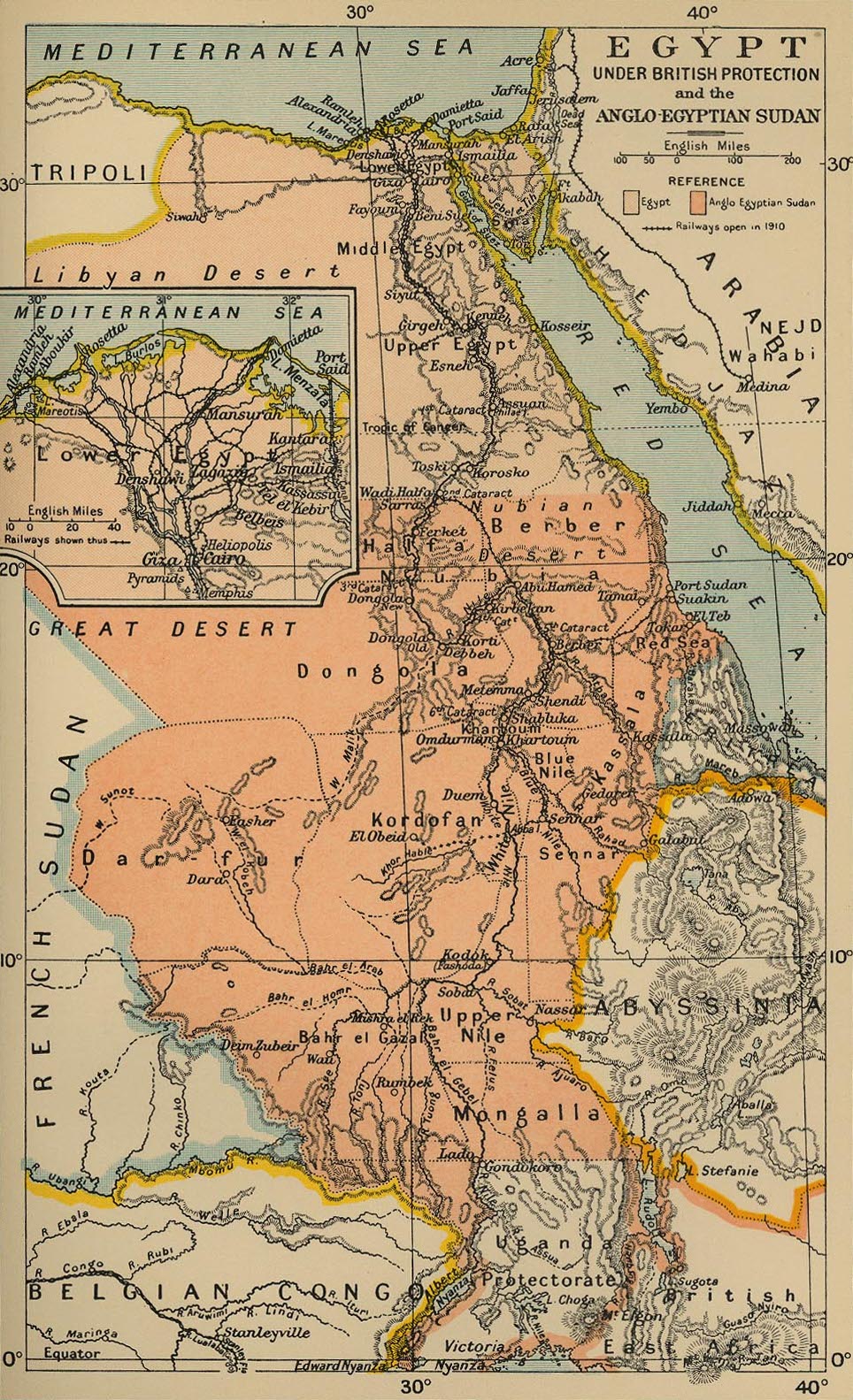
Anglo-Egyptian Sudan refers to the period between 1899 and 1956 when Sudan was governed under a nominal joint arrangement between Egypt and the United Kingdom. Officially described as a condominium, the arrangement placed Sudan under the dual sovereignty of Egypt and Britain but in practice British officials exercised decisive authority over political and administrative matters. The capital was Khartoum, and the administration concentrated on restoring order after decades of conflict, building transport and irrigation infrastructure, and organizing the economy for export crops.
Image gallery
8 Images



Administrative structure and characteristics
The condominium was administered by a Governor-General appointed from Britain; many mid- and lower-level administrations included Egyptian and Sudanese personnel, but ultimate control rested with British advisers and military officers. Key features of the period included centralised colonial institutions, introduction of modern civil service practices, expansion of rail and river transport, and legal reforms that blended local customs with statutory regulations. Policies often varied between northern and southern provinces, where religious, ethnic and economic differences led to distinctive administrative approaches.
Origins and military reconquest
The immediate origin of the condominium follows the defeat of the Mahdist state, the Islamic-led polity that had controlled much of Sudan after 1885. A military campaign led by British and Egyptian forces under figures such as Herbert Kitchener culminated in the reconquest of Khartoum and re-establishment of a new political order in 1898–1899. The 1899 agreement formalised the condominium: Egypt and Britain would be joint sovereigns while Britain would provide the governor and guide policy.
Economy, society and development projects
Economic policy emphasized export agriculture, particularly cotton, and the development of irrigation to increase yields. Large-scale projects, including irrigated schemes in the Gezira region, transformed parts of the central plain into productive farmland for the global cotton market. Railways, river steamers and telegraph lines were extended to improve internal communication and facilitate commerce. Social change included urban growth, new educational institutions, and the gradual rise of an urban Sudanese middle class that would later play a role in nationalist politics.
Political evolution and path to independence
Over time Sudanese political consciousness grew, shaped by veterans of colonial administration, religious leaders, professionals and students. After World War II and changing international attitudes toward empire, political pressure for self-government intensified. The condominium arrangement collapsed as Egyptian and British influence waned, and Sudan achieved independence in 1956 following negotiations and internal political developments. Independent Sudan inherited the administrative structures and economic patterns established during the condominium era.
Notable distinctions and legacy
- The term "condominium" in this context signified joint sovereignty on paper, but in practice was dominated by one partner, illustrating a common pattern in colonial arrangements.
- Infrastructure and irrigation projects left an enduring imprint on Sudan's economy, particularly in cotton production and river transport.
- Regional divisions and administrative policies of the period contributed to long-term political and social challenges in Sudan.
- The complex heritage of the Anglo-Egyptian period continues to be studied for its impacts on Sudanese national identity and state formation.
For further basic reference see entries on the territory itself and related figures: colony, Sudan (territory), and sources summarising British and Egyptian roles in the late 19th and early 20th centuries (United Kingdom, Egypt, Kitchener).
Tags
Related articles
Author
AlegsaOnline.com Anglo-Egyptian Sudan (1899–1956): Condominium, administration and legacy Leandro Alegsa
URL: https://en.alegsaonline.com/art/4190