
Guwahati: Gateway City of Northeast India
Guwahati is the largest city in Northeast India, located on the Brahmaputra. It is an administrative, cultural and transport hub that connects Assam to the Seven Sister States and beyond.
Overview
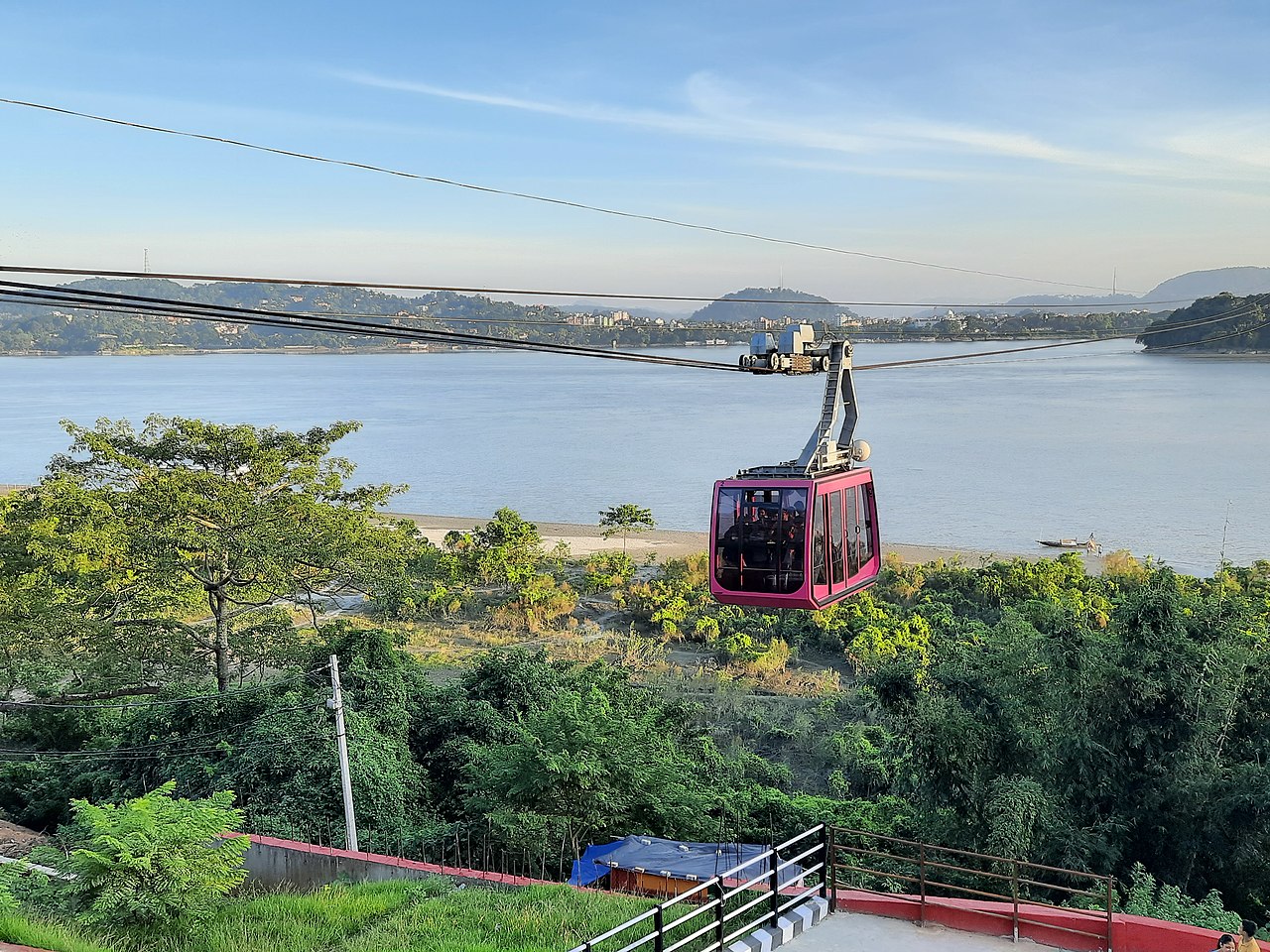
Guwahati is the largest urban centre in Northeast India. Straddling the southern bank of the Brahmaputra River, it functions as the region's principal commercial, educational and transport hub. The city's urban area mixes riverfront plains, low hills and wetlands, and it hosts major markets, universities and cultural institutions that serve a wide hinterland.
Image gallery
10 Images





Key features and institutions
The state legislative complex of Assam is located in Guwahati, making the city an important seat of government and public administration (Legislative Assembly of Assam). River and road links converge here: a major bridge lies on the city's northwest edge and historic ferry and port facilities connect communities along the Brahmaputra. Guwahati's skyline and neighbourhoods combine ancient temples, modern commercial districts and residential suburbs.
History and development
Guwahati developed where high riverine plains and hills meet, a setting that supported trade, pilgrimage and settlement for centuries. It expanded substantially in the colonial and post‑colonial periods as Assam's transport and administrative needs grew. Urban growth accelerated with improved bridges, roads and air links that made Guwahati the primary gateway into the interior of the Northeast.
Role as a regional gateway
Because of its location and transport connections, Guwahati is commonly described as the entry point to the region's other states. It is a staging area for goods, government services, higher education and tourism to the rest of the northeastern states, sometimes called the "Seven Sister States":
- Arunachal Pradesh
- Manipur
- Meghalaya
- Mizoram
- Nagaland
- Tripura
- and the neighbouring state of Assam itself
Importance, challenges and notable facts
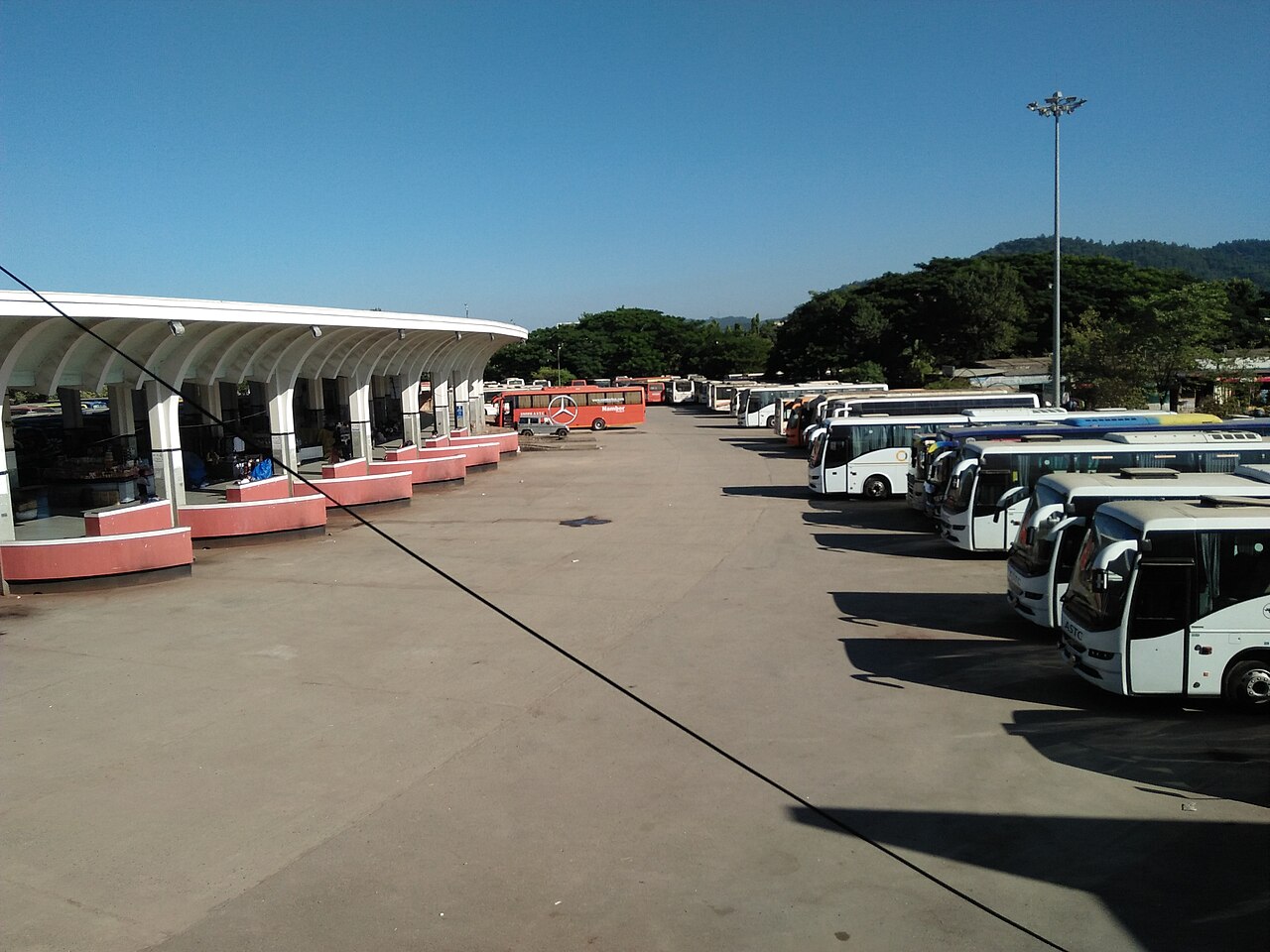
Guwahati plays multiple roles: administrative capital functions for the region, a centre for cultural festivals and religious pilgrimage, and a logistics node linking air, road and river transport. Rapid population growth and development pose challenges such as pressure on wetlands, traffic congestion and flood risk along the Brahmaputra. Nevertheless, the city's combination of historical sites, educational institutions and regional connectivity continue to make it central to the economy and identity of Northeast India.
For further details on regional connections and institutions, consult local government and regional planning sources.
Related articles
Author
AlegsaOnline.com Guwahati: Gateway City of Northeast India Leandro Alegsa
URL: https://en.alegsaonline.com/art/41553