
Hadleigh Heath, Polstead, Suffolk
Hadleigh Heath is a small rural hamlet in the civil parish of Polstead, within Babergh district, Suffolk, England, noted for a former chapel (1823) and the listed building Evans Hall.
Hadleigh Heath is a small hamlet in the civil parish of Polstead, administered within the Babergh district and the county of Suffolk (Babergh). It forms part of the patchwork of minor settlements that characterize south‑east England’s agricultural landscape, where houses, farmsteads and lanes cluster without the services typical of larger villages.
Image gallery
4 Images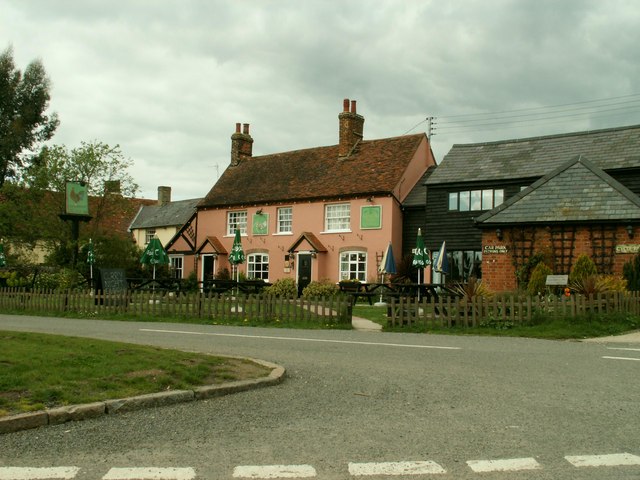


Character and landscape
As a hamlet, Hadleigh Heath lacks a defined centre or extensive public facilities; residents historically relied on nearby Polstead for a church, shops and schooling. The surroundings are predominantly farmland, interlaced by narrow country lanes and hedgerows. Such places are important for biodiversity, local farming practices and for maintaining traditional rural scenery.
History and notable buildings
Local records note a nonconformist chapel erected at Hadleigh Heath in 1823; that building was removed or transferred to Polstead in 1849, reflecting the shifting patterns of worship and settlement in the nineteenth century. The hamlet also contains a building known as Evans Hall, which is recorded as a listed building. Listing recognises architectural or historic interest and places the structure under protective planning controls.
Administration, conservation and access
Hadleigh Heath falls under the civil parish council of Polstead and the planning and conservation regimes of Babergh district and Suffolk county. Conservation policies and the listed‑building system shape alterations to heritage properties while rural planning addresses agricultural use, landscape protection and access by public footpaths.
Notable facts and further information:
- The hamlet had a chapel built in 1823 that was removed to Polstead in 1849.
- Evans Hall is a recognised listed building within the hamlet.
- Hadleigh Heath should not be confused with the nearby town of Hadleigh; names may be similar but refer to distinct places.
- For detailed records consult parish archives, district conservation officers and the national listed‑buildings register.
These features make Hadleigh Heath typical of small English rural settlements: limited population, historical buildings of local interest, and a landscape shaped by agriculture and centuries of local change.
Related articles
Author
AlegsaOnline.com Hadleigh Heath, Polstead, Suffolk Leandro Alegsa
URL: https://en.alegsaonline.com/art/41719
Sources
- books.google.com : Suffolk Returns from the Census of Religious Worship of 1851
- britishlistedbuildings.co.uk : "Evans Hall, Polstead, Suffolk"