
Haasts Bluff (Ikuntji) — Aboriginal community in the Northern Territory
Haasts Bluff (Ikuntji) is a remote Aboriginal community west of Alice Springs, known for its desert landscape, Lutheran mission origins, multi-language population and a strong contemporary art cooperative tradition.
Overview
Haasts Bluff, known in local Aboriginal languages as Ikuntji, is a small remote community in central Australia. It lies roughly 227 kilometres west of Alice Springs and is located near a distinctive rocky outcrop that shares the same English name. The settlement is part of the broader cultural and geographic region of the central desert and is sometimes described in regional directories as a focal point for neighbouring outstations and families.
Image gallery
2 Images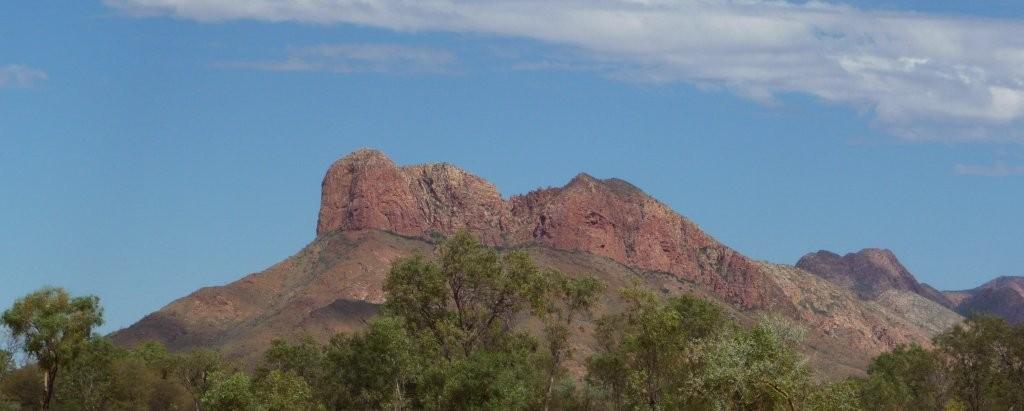

Location and landscape
The town sits on arid country of the western MacDonnell region and is typically reached by unsealed roads from Alice Springs and neighbouring communities. The physical landmark that gave the place its English name was recorded by early European explorers; locally the site is called Ikuntji, which is commonly translated as "where the creeks cross". The surrounding environment is classic central Australian desert: spinifex and saltbush plains, rocky hills, and a climate of hot summers, cool nights and low annual rainfall.
People, languages and culture
Haasts Bluff is home to residents from several Aboriginal language groups and cultural backgrounds. Among the groups associated with the community are the Pintupi, the Luritja and the Pitjantjatjara, together with families who identify as Western Arrernte. Traditional law, kinship and connections to country remain important, and many households maintain links with surrounding outstations and ceremonial places. Census counts have varied; for example the 2006 census recorded just over two hundred people in Haasts Bluff and nearby outstations, reflecting its character as a small, dispersed community.
History and name
The name Haasts Bluff comes from a 19th century European exploration history: the rocky outcrop was named in 1872 by the explorer Ernest Giles in honour of the New Zealand geologist Julius von Haast. The Aboriginal name Ikuntji predates European contact and refers to local watercourses. The contemporary settlement developed after the mid-20th century when a Lutheran mission was established in the area (the mission era influenced settlement patterns, language use and access to services) and later evolved into an autonomous community with local governance and cultural institutions.
Art, economy and community life
One of Haasts Bluff's best-known contemporary contributions is its community of artists and an organised cooperative that supports painting, printmaking and other artistic practices. Many residents are recognised for works that draw on desert country, Dreaming narratives and family histories; these activities provide cultural expression and an important income source. The local arts enterprise operates alongside other forms of livelihood and community services, including education, health visits, and seasonal employment in nearby centres.
Notable features and practical information
Key points about Haasts Bluff include:
- Multilingual community with strong cultural continuity and ties to country.
- Established as a Lutheran mission in the 1940s and later managed by local organisations.
- Artists and an art cooperative play a significant social and economic role; see local initiatives and exhibitions through organisations and galleries that represent desert art artists.
- Access is limited and subject to road and seasonal conditions; visitors should respect community protocols and contact local authorities before travel.
For further context about Indigenous groups and languages associated with the locality, see references on the Aboriginal Australian peoples and regional information published by the Northern Territory authorities.
Related articles
Author
AlegsaOnline.com Haasts Bluff (Ikuntji) — Aboriginal community in the Northern Territory Leandro Alegsa
URL: https://en.alegsaonline.com/art/41658
Sources
- censusdata.abs.gov.au : "Haasts Bluff and Outstations (Indigenous Location)"
- www1.aiatsis.gov.au : "Albert Namatjira, Our great Aboriginal painter"
- trans.worldvision.com.au : "Ikuntji (Haasts Bluff)"
- tools.wmflabs.org : 23°26′49″S 131°52′55″E / 23.447°S 131.882°E / -23.447; 131.882