
Gwadar City: Pakistan’s Strategic Port and Coastal Hub
Gwadar is a port city on Pakistan’s southwestern coast. This article covers its geography, port development, economic role, history, and strategic importance between the Middle East, South Asia and Central Asia.
Overview
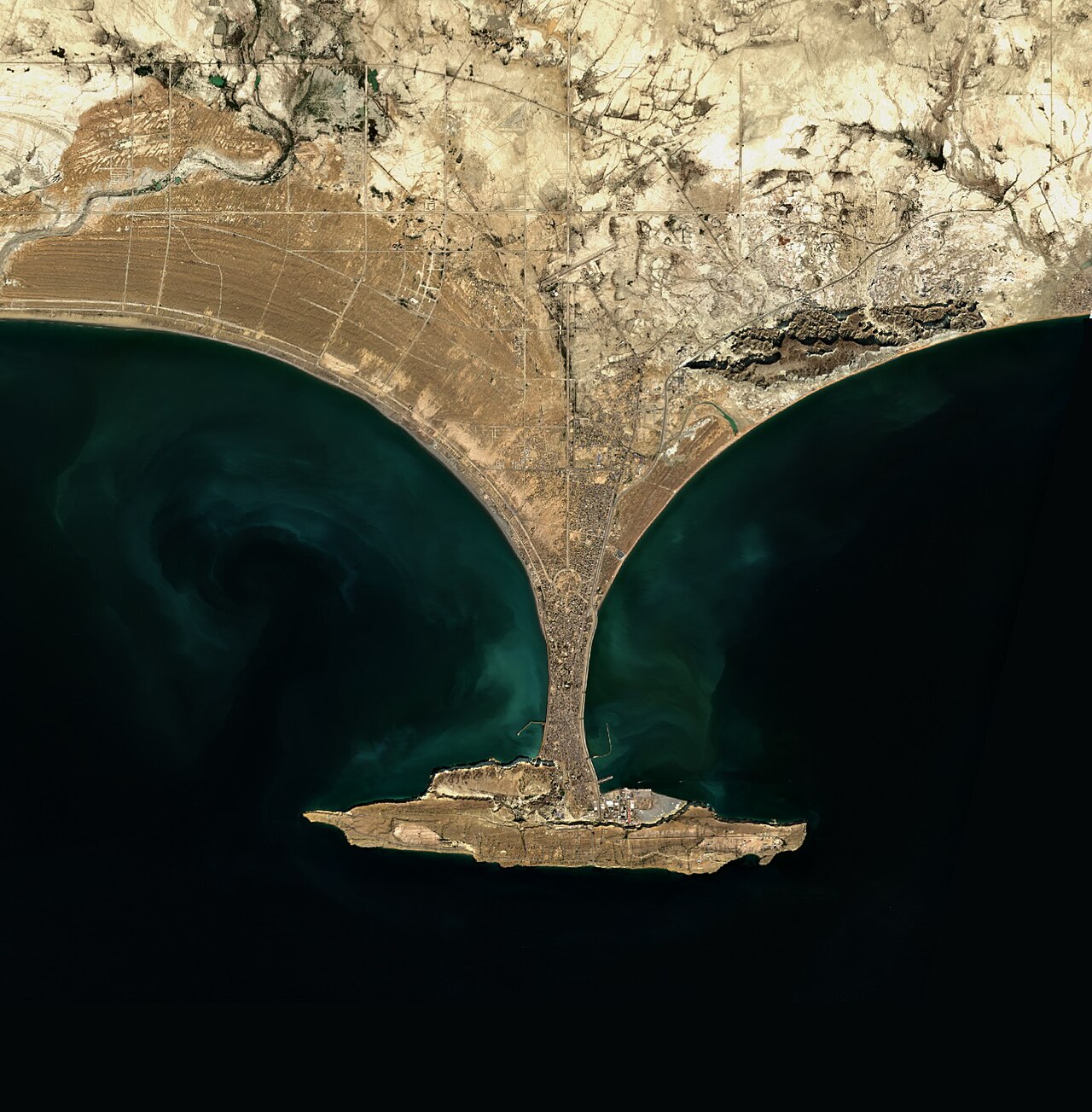
Gwadar is a coastal city on the southwestern edge of Pakistan, located on the Sea of Oman. Its deepwater harbour and proximity to major maritime routes have made it a focal point for regional trade, infrastructure investment and strategic planning. The city lies where three broad regions converge: the oil-rich Middle East, densely populated South Asia and resource-rich Central Asia, giving it a role that extends well beyond local geography.
Image gallery
10 Images




Location and physical features
Gwadar sits on a rocky peninsula and faces open waters that connect to the Arabian Sea and the wider Indian Ocean. The climate is arid and hot for much of the year, with limited rainfall. Its coastal position provides naturally deep channels suitable for large vessels, which is one reason the site has been chosen for port development. For geographic context see Pakistan and its coastal setting; the harbour opens onto the Sea of Oman, a sea lane used by energy and commercial shipping.
History and development of the port
Gwadar’s modern importance grew as countries and companies looked for efficient maritime access to South and Central Asia and alternative routes for energy supplies. In the early 21st century the Pakistani state advanced plans to develop the port and adjacent infrastructure. In 2007 the government entered an agreement to hand port operations to an experienced terminal operator for a multi-year concession. That decision and subsequent policy measures granted special economic and tax arrangements intended to attract investment and speed construction.
Port operations, investment and economy
Investment in Gwadar’s port and related zones has come from a mix of domestic and international sources. The port is viewed as a potential driver of trade revenues and industrial activity; some proposals and reports project substantial income and expanded employment linked to cargo handling, logistics and services. In addition to private operators, national governments have provided financing and technical assistance to build terminals, roads and support facilities. The Pakistani government played a central role in granting concessions and policy status, and an international operator was awarded a long-term contract in 2007 to run key terminals. The operator named in that concession is a Singapore-based company, noted in this context as PSA Singapore. Investment has also come from the People's Republic of China, whose infrastructure projects in the region form part of larger trade and connectivity initiatives.
Roles and strategic importance
Gwadar’s strategic appeal is partly geographic: it provides shorter sea routes for some cargoes and energy shipments between the Persian Gulf and parts of South and East Asia. The city's location positions it between three important areas— the Middle East, South Asia and Central Asia—which amplifies its geopolitical and economic relevance. As a result, Gwadar figures in regional infrastructure strategies, trade corridor planning and discussions about energy transit security. Some projections attach large employment and revenue expectations to port expansion, while other assessments emphasize the long timeline and complex social and environmental considerations involved.
Features, challenges and outlook
Key features of Gwadar’s development include port terminals, free-trade or special economic zones, and connecting road and pipeline proposals. Benefits envisaged are increased trade capacity, new jobs and expanded logistics services. Challenges include the need for sustainable urban planning, environmental protection of the coastal zone, integration with local communities and securing long-term commercial traffic. International partnerships and national policies will shape whether Gwadar becomes a high-traffic regional hub or remains a strategically important but developing port. For further reading on the general topic and related projects see economic assessments.
- Principal seaside location: Sea of Oman
- Regional context: Middle East, South Asia, Central Asia
- Major operational and investment actors: PSA Singapore, national authorities and Chinese investors
Gwadar remains a city in transition: a small coastal community at the centre of ambitious plans to expand maritime commerce and regional connectivity. Its future will depend on the pace of infrastructure delivery, the evolution of regional trade patterns and how well development balances economic goals with local and environmental needs.
Related articles
Author
AlegsaOnline.com Gwadar City: Pakistan’s Strategic Port and Coastal Hub Leandro Alegsa
URL: https://en.alegsaonline.com/art/41576