
Gruiformes — crane-like birds: overview, evolution and ecology
Order of primarily wetland-associated birds that includes cranes and rails; historically diverse with a deep fossil record, complex classification, varied ecology, and notable conservation concerns.
Overview
Gruiformes is an order of birds traditionally described as "crane-like" and characterized by a broad diversity of forms and lifestyles. The group historically served as a taxonomic catch-all for many non-passerine birds that did not fit neatly elsewhere. Today a more restricted "core Gruiformes" is recognized, centred on cranes and rails, but the name Gruiformes still conveys their shared evolutionary roots and long fossil history. For a concise taxonomic outline see order overview.
Image gallery
4 Images
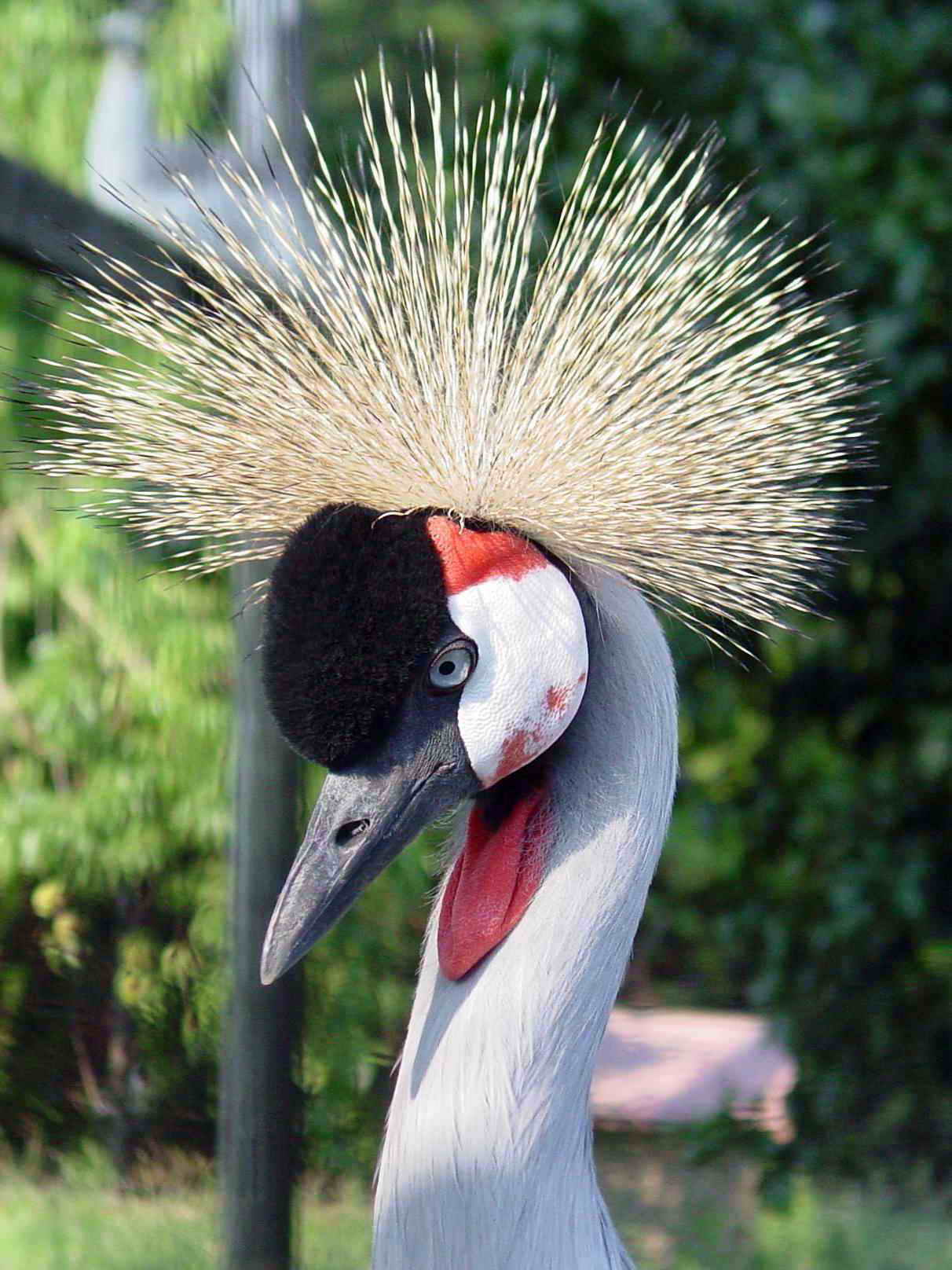
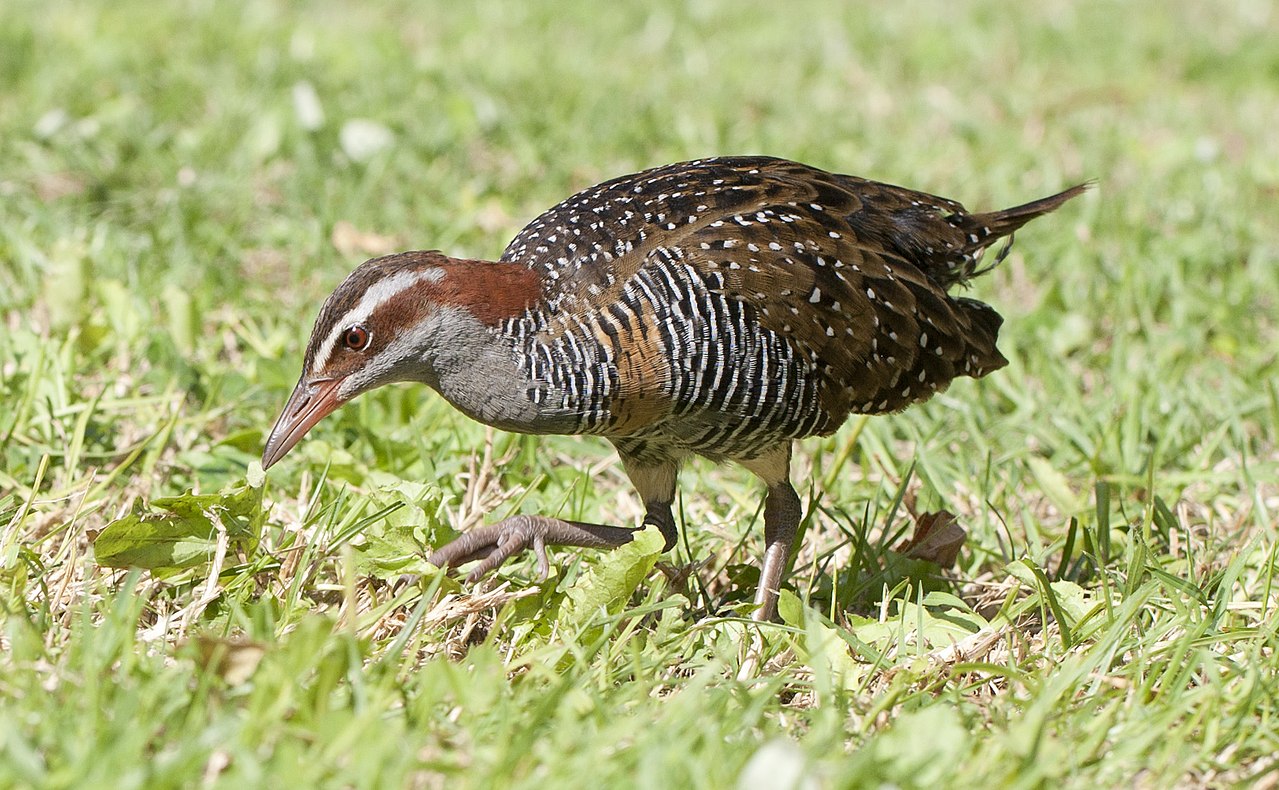

Typical characteristics and body plans
Members commonly show adaptations to ground- or water-associated life: elongated legs and necks in cranes, short rounded wings and stout bodies in many rails, and varied bill shapes to exploit different foods. Plumage ranges from cryptic, wetland-concealing colours to conspicuous patterns used in display. Many species are strong walkers; others are secretive marsh-dwellers. Functional traits are summarized in the list below.
- Locomotion: long-legged wading (cranes) to skulking terrestrial motion (rails) — see locomotor adaptations.
- Feeding: omnivory, insectivory, crustacean and plant foraging in marshes and wetlands — refer to dietary notes.
- Reproduction and behaviour: elaborate courtship displays (notably cranes) and secretive nesting in dense vegetation (rails) — additional behaviours at behavioural traits.
Evolution, fossil record and classification
Gruiform birds have deep roots in the Paleogene (the Paleocene and Eocene epochs), when a radiation of medium- to large-bodied birds occupied extensive wetland habitats. The fossil record preserves a range of extinct forms that once were assigned to Gruiformes—some large terrestrial taxa such as Diatryma and the South American "terror birds" were historically linked to this assemblage, though modern analyses often place them outside the core group. Molecular and morphological studies over recent decades have led to substantial reorganisation of families and to a narrower concept of the order; for historical notes see phylogenetic studies and Paleogene fossils.
Representative families and notable taxa
Core members commonly included in Gruiformes are cranes (Gruidae) and rails (Rallidae), along with allied families such as the limpkin (Aramidae), trumpeters (Psophiidae), and finfoots (Heliornithidae). Other taxa have been moved in or out of the order as research progresses—check modern checklists and taxonomic resources like family list and taxonomic updates for current placement. Extinct species of interest are discussed in paleontological summaries at fossil records and extinct groups.
Ecology, importance and conservation
Gruiform birds occupy freshwater and coastal wetlands, floodplains, marshes and, in some cases, forested ground-layer habitats. They perform ecological roles such as seed dispersal, predation on invertebrates, and nutrient cycling in marsh ecosystems. Many species are sensitive to wetland drainage, habitat fragmentation and human disturbance, leading to conservation concern for several groups. Conservation resources and status summaries are available at conservation overviews and habitat guidance pages like wetland conservation.
Because Gruiformes link deep-time evolutionary history with present-day wetland ecology, they are important both to palaeontology and to modern conservation biology. Ongoing genetic and fossil research continues to refine which lineages truly belong in the order and how their diverse lifestyles evolved.
Related articles
Author
AlegsaOnline.com Gruiformes — crane-like birds: overview, evolution and ecology Leandro Alegsa
URL: https://en.alegsaonline.com/art/41086