
Grus — genus of cranes
Grus is a genus of large, long-legged birds in the crane family. This article summarizes their appearance, behaviour, taxonomy, distribution, cultural importance and conservation.
Grus is a genus name long used for several large, long-legged birds in the crane family, Gruidae. Members of the group are among the most recognisable wading birds: tall, with long necks and legs, broad wings and loud, trumpeting calls. Over the past decades molecular studies have led to revisions in how species are grouped, so the exact composition of Grus varies among authorities.
Image gallery
9 Images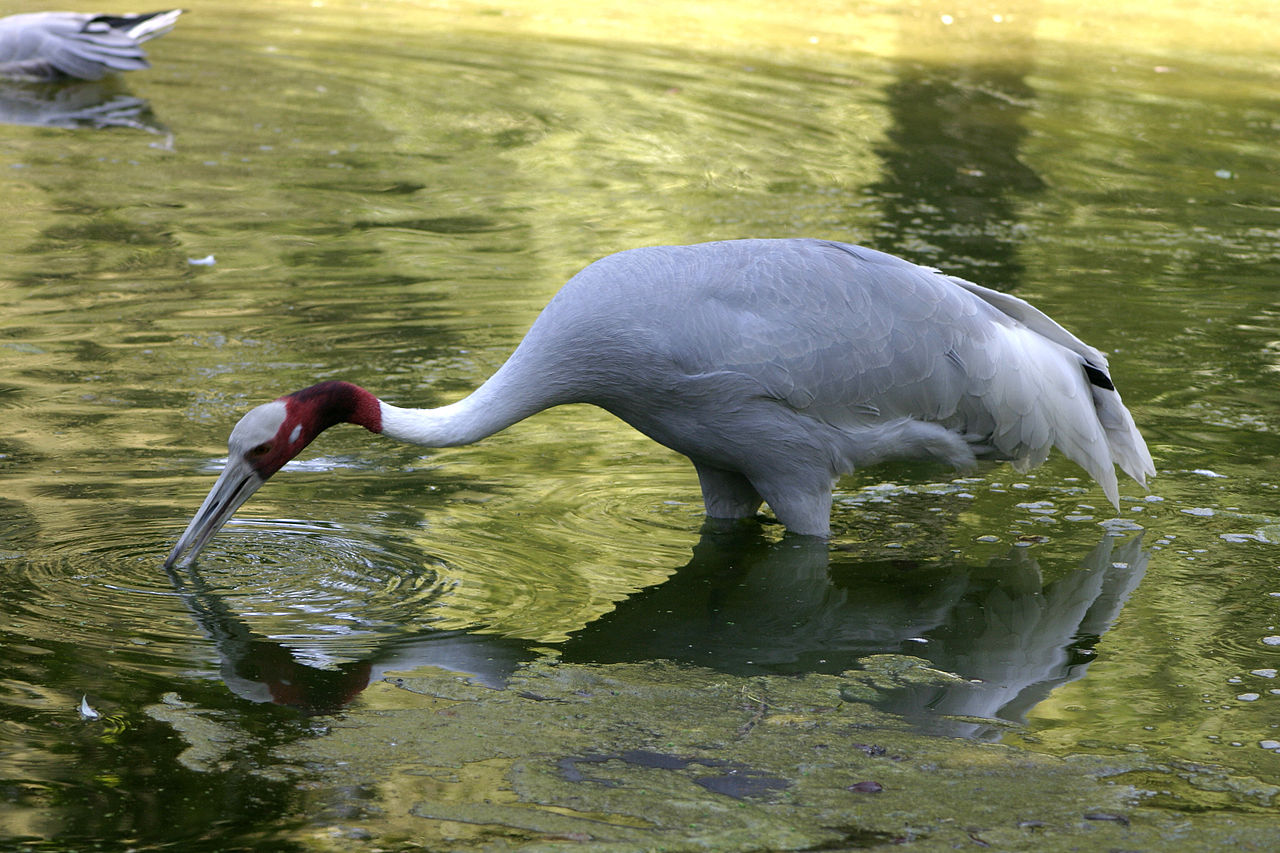


Physical characteristics
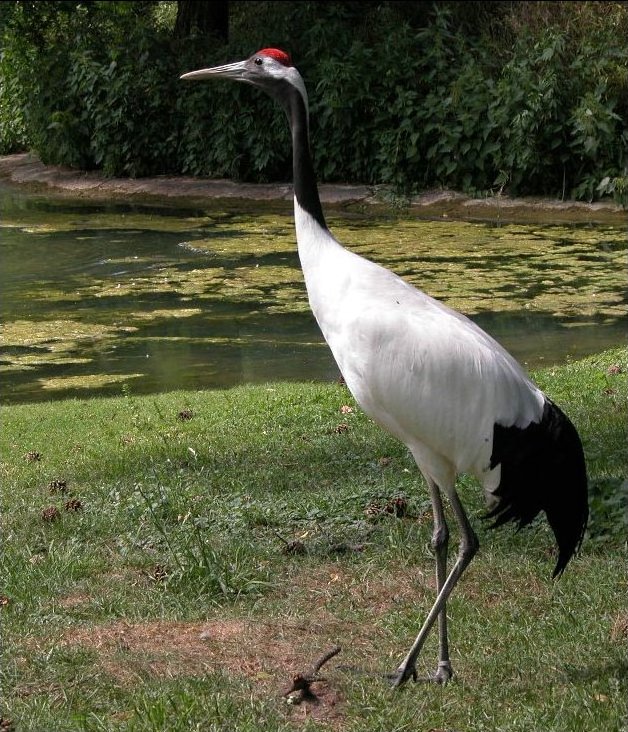
Cranes conventionally associated with Grus are large, heavy-bodied birds with relatively long bills suited to probing, walking feet adapted to soft substrates, and wide wings that enable sustained flight and buoyant displays. Plumage can be plain grey or white, or include contrasting head markings and patches of bare coloured skin. Juveniles show subtler markings than adults, and sexual dimorphism is generally slight.
Behaviour and life history
These cranes exhibit complex social behaviour: courtship often includes elaborate dances with bowing, wing-spreading and leaping. Many species form long-term pair bonds and share nest building and chick care. Nests are usually shallow platforms placed in wetlands or damp grasslands. Diet is omnivorous and flexible, taking plant material, seeds, invertebrates and small vertebrates; some species exploit agricultural fields.
Taxonomy and species notes
Taxonomy has been fluid as genetics improved understanding of relationships. Some species long treated in Grus have been reassigned to other genera by modern authorities, while a core group remains in Grus in many checklists. The Siberian (or white) crane is widely recognised as distinct and has been placed in a separate genus by some experts. For current lists and taxonomic discussion see specialised sources and taxonomic resources.
Distribution and habitat
Cranes formerly or currently linked with Grus occupy wetlands, marshes, river valleys and adjacent agricultural landscapes across parts of Europe, Asia, Africa and the Americas. Many are migratory, travelling long distances between breeding and non-breeding areas, while others may be resident or undertake shorter seasonal movements.
Conservation and cultural importance
Conservation status varies by species. Threats commonly include wetland drainage, land conversion, collisions with power lines, and disturbance. Conservation measures emphasise habitat protection and restoration, safe migration corridors and, where appropriate, captive breeding and reintroduction. Cranes have strong cultural roles in art, folklore and symbolism in many regions; they often represent longevity, fidelity and grace.
Notable facts
- Strong fliers: many migrate long distances between breeding and wintering grounds.
- Pair bonds and cooperative parental care are typical, which influences population recovery rates.
- For further reading and detailed species lists consult a genus overview: genus overview, the family entry: family Gruidae, and broader taxonomic resources: taxonomic resources.
Related articles
Author
AlegsaOnline.com Grus — genus of cranes Leandro Alegsa
URL: https://en.alegsaonline.com/art/41111