
Guard dog: roles, types, training, and legal considerations
Comprehensive overview of guard dogs: definition, how they differ from watchdogs, common roles and breeds, training and welfare, livestock guardians, equipment, and legal and safety considerations for owners.
A guard dog is a dog trained to protect people, property or animals from unwanted intruders or predators. Unlike a simple watchdog that notifies by barking, a guard dog is trained to deter, confront or, when appropriate and controlled, physically restrain an intruder. Guard dogs are used in many contexts, from private homes and businesses to police, military and rural settings. Their effectiveness depends on instinct, temperament, appropriate training and responsible handling.
Image gallery
10 Images


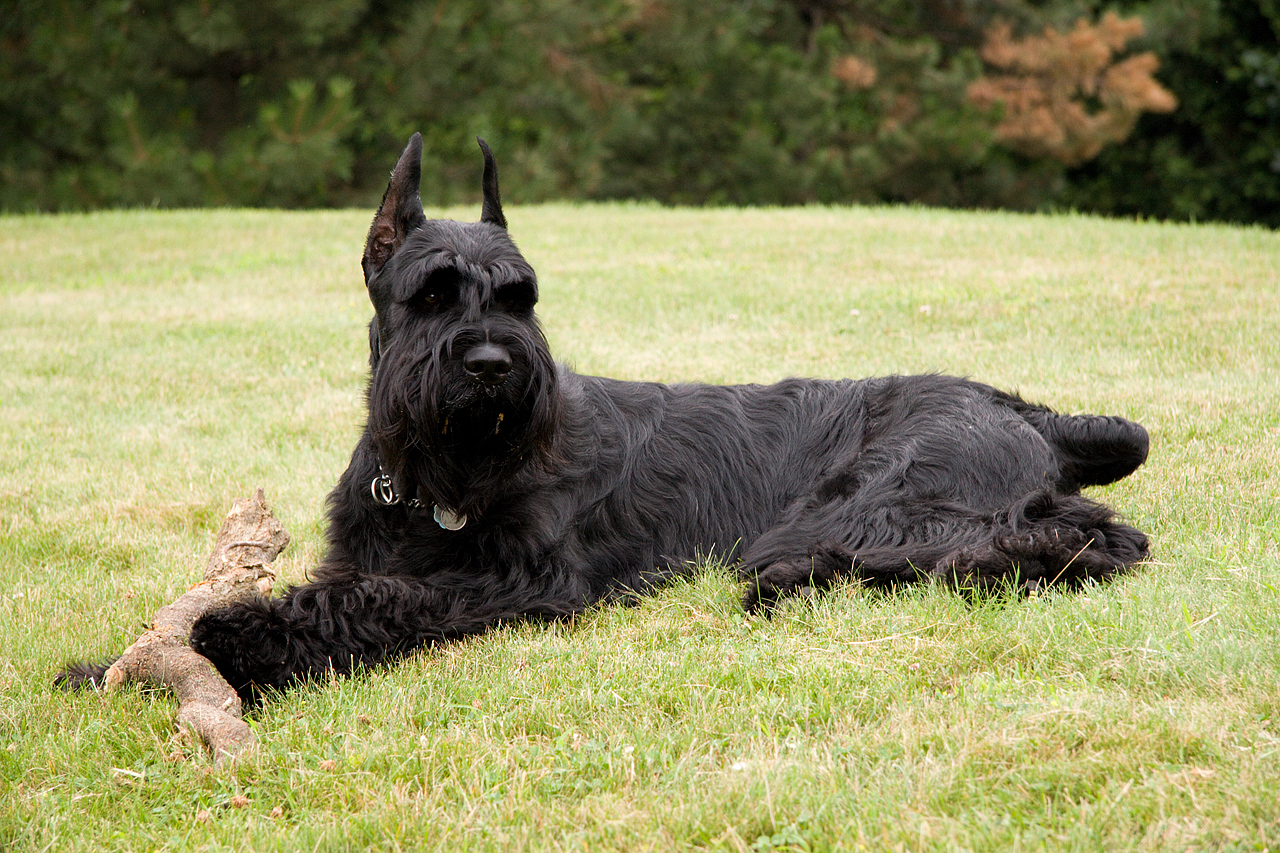


Characteristics and typical duties
Typical qualities valued in guard dogs include alertness, territorial awareness, courage, steady nerves and a strong bond with their handler. Good temperamental balance is essential: a dog must be confident enough to confront a threat yet controllable and reliably responsive to commands. Common duties include patrolling a perimeter, alerting handlers to unusual activity, deterring trespassers by presence or vocal warning, and intervening when a clear threat is present.
Types and common breeds
Guard roles can be categorised broadly:
- Personal protection dogs, trained to protect an individual or family;
- Property or security dogs, used to guard buildings, vehicles or compounds;
- Police and military working dogs trained for search, arrest support or similar tasks;
- Livestock guardian dogs that live with flocks or herds and protect them from predators.
Breeds commonly seen in protection roles include German Shepherds, Rottweilers, Dobermans, Belgian Malinois and certain mastiff types. Livestock guardian breeds include Great Pyrenees, Anatolian Shepherds, Maremmas and Komondors. Breed tendencies influence suitability, but individual temperament and training are decisive.
Training, handling and welfare
Training should begin with thorough socialisation and obedience so the dog can distinguish normal visitors from threats. Protection-specific training is best conducted by experienced, accredited professionals and emphasises control, clear signals and safety. Typical phases include basic obedience, controlled exposure to distractions, learning deterrence behaviours (barking, posturing) and, where appropriate, supervised controlled restraint or bite work. Handlers are taught how to read canine body language, intervene safely and de-escalate situations.
Welfare considerations are central: guard dogs require regular exercise, mental stimulation, veterinary care and humane handling. Poorly socialised or mistreated dogs can become unpredictable. Owners should avoid practices that encourage undue aggression and ensure training methods comply with animal welfare standards.
Livestock guardians
Livestock guardian dogs (LGDs) are a distinct category: rather than attacking people, they live with flocks or herds and protect them from predators by patrolling and using threat displays. Successful LGDs bond with the animals they protect and use presence and intimidation to keep predators at bay. They require different selection and management than personal protection dogs, including early bonding with stock and environments that suit roaming and vigilance.
Equipment and facilities
Appropriate equipment supports safety and effectiveness. This includes sturdy leashes and harnesses for handling, secure fencing and sheltered kennels or housing, and clear signage where required by law. For working dogs, handler communication tools and regular professional assessments can help maintain readiness and wellbeing.
Legal, safety and ethical considerations
Owning a guard dog carries responsibilities. Local laws may set requirements for containment, leashing, signage, vaccination and liability for injuries. Insurance and clear written handling procedures reduce legal and safety risks. Ethically, owners should prioritise proportional use of force, avoid encouraging indiscriminate aggression, and ensure that dogs are not put in unnecessary danger. When a dog is used for security by a third party, written agreements and oversight are advisable.
History and development
Humans have used dogs for protection for thousands of years, selecting and breeding animals for guarding settlements, homes and livestock. Over time, specialised breeds and formalised training methods developed to meet varied security needs, producing animals suited to roles ranging from alarm signalling to active protection and specialized working tasks in law enforcement.
Choosing and managing a guard dog
- Assess the intended role and environment before selecting a dog;
- Evaluate temperament and health rather than relying solely on breed stereotypes;
- Invest in professional training and lifelong socialisation;
- Ensure legal compliance, secure housing and ongoing welfare care.
Further reading
- Definitions and distinctions
- Training methods and certification
- Behavioral signs and warning signals
- Security roles and deployment
- Owner responsibilities and best practices
- Property protection strategies
- Safety and ethical considerations
- Watchdog versus guard dog comparison
- Breeds commonly used as guardians
- Livestock guardian roles
- Legal and liability information
Owners and organisations considering a guard dog should balance security needs with a commitment to humane treatment, professional training and legal compliance. When properly selected and handled, guard dogs can provide effective protection while living healthy, socially adjusted lives with their handlers.
Questions and answers
Q: What is a guard dog?
A: A guard dog is a dog that is trained to protect its owner and their property by watching for and guarding against people or animals who should not be there.
Q: What is the main job of a guard dog?
A: The main job of a guard dog is to keep its owner and the owner's property safe from danger.
Q: How is a guard dog different from a watchdog?
A: A watchdog will let its owner know that a stranger is coming by barking, while a guard dog may be trained to attack if their owner tells them to or if a stranger comes too close.
Q: What will a guard dog do before attacking?
A: If trained properly, a guard dog will give a warning before attacking.
Q: What is a livestock guard dog?
A: A livestock guard dog is a different type of guard dog that is trained to stay with and guard a flock or herd of livestock against predators.
Q: Are certain breeds of dogs natural guardians of livestock?
A: Yes, certain breeds of dogs are natural guardians of livestock and will make good livestock guard dogs.
Q: What is the job of a livestock guard dog?
A: The job of a livestock guard dog is to stay with and guard a flock or herd of livestock against predators.
Related articles
Author
AlegsaOnline.com Guard dog: roles, types, training, and legal considerations Leandro Alegsa
URL: https://en.alegsaonline.com/art/41180
Sources
- guarddogtraining.com.au : "Attack Dog Training"
- expertsecuritytips.com : "Types of Guard Dogs"
- animallaw.info : "Table of Dog Bite Strict Liability Statutes"
- sheep101.info : "Livestock protection dogs"
- homesecurity.about.com : "The Facts about Guard Dogs"