
Grove (nature)
A grove is a small grouping of trees with little undergrowth, occurring naturally or planted as orchards. This article outlines characteristics, types, cultural roles, ecological importance, and distinctions from woods.
A grove is a compact stand or small group of trees characterized by a relatively open understory and a shared canopy. Groves may form naturally—such as stands of large conifers—or be deliberately planted and tended, for example a small orchard grown for fruit or an area cultivated for nuts. The term is often used informally and overlaps with other words for tree groupings such as woodland, copse, or spinney.
Image gallery
6 Images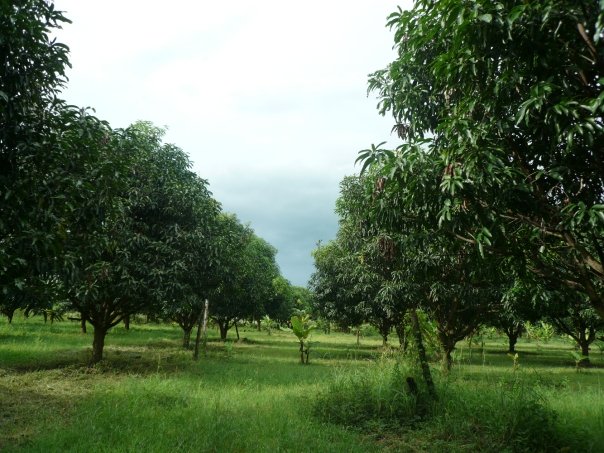
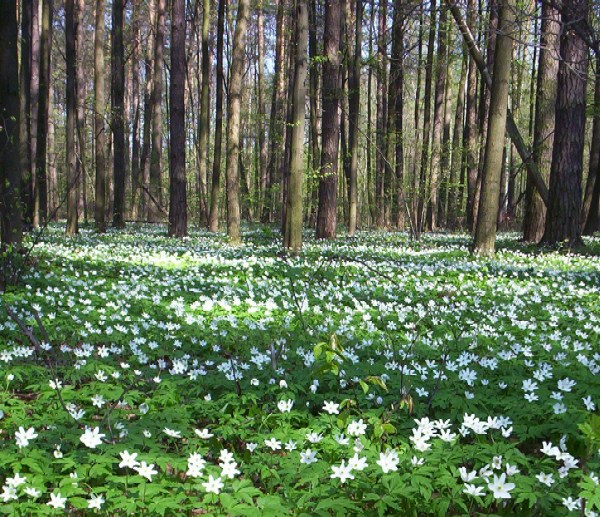

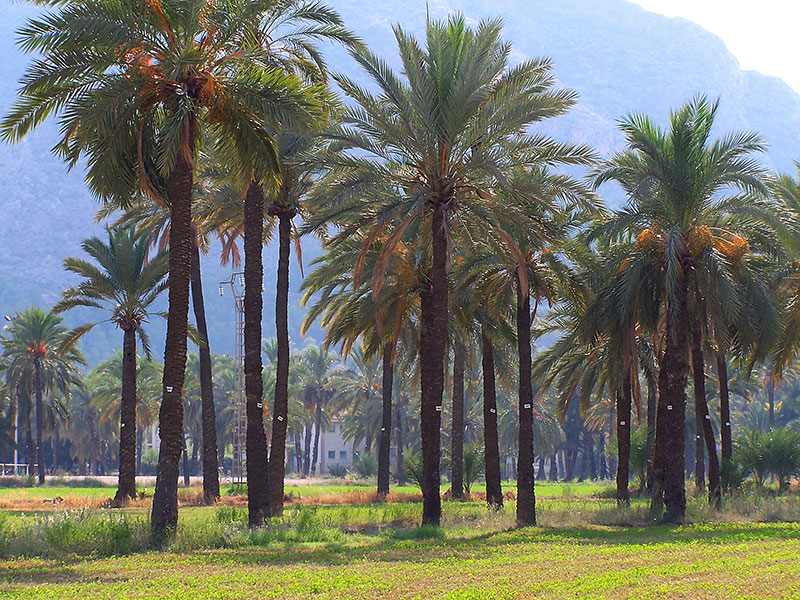


Characteristics
Groves are generally distinguished by size (smaller than a forest), density (trees close enough to create a canopy), and low undergrowth, which may result from shade, soil conditions, grazing, or human clearing. They can be monospecific—dominated by a single species like sequoias or olives—or mixed. Management ranges from near-natural stands to intensively managed orchards.
Types and examples
- Natural groves: isolated stands of long-lived trees such as redwoods or pines.
- Orchards and cultivated groves: planted for food production, e.g., apple, olive, or almond groves.
- Sacred or commemorative groves: small tree groups preserved for religious, memorial, or cultural reasons.
Uses and significance
Ecologically, groves provide habitat, food resources, and microclimates that support wildlife and understory plants. They can reduce erosion, influence local humidity and temperature, and act as pollen or seed sources in fragmented landscapes. Economically, cultivated groves supply fruit, nuts, timber, or non-timber products.
Culturally, groves appear in folklore and religion: many societies maintained sacred groves as protected spaces. In land management, practices such as coppicing, selective thinning, and agroforestry integrate groves into productive and conservation landscapes.
Distinguishing a grove from related terms depends on context: a grovelike stand is usually smaller and simpler than a forest but more structured than a thicket. Conservation of groves, whether natural relics or working orchards, helps preserve biodiversity, cultural heritage, and local ecosystem services.
Related articles
Author
AlegsaOnline.com Grove (nature) Leandro Alegsa
URL: https://en.alegsaonline.com/art/41063
Sources
- edis.ifas.ufl.edu : "Start Now to Design Citrus Groves for Mechanical Harvesting"