
Harpoon: spear-like implement for fishing, whaling, and hunting
A harpoon is a barbed, spear-like tool used to catch large fish and marine mammals. This article describes its design, historical development, types, uses, and legal and ethical issues.
A harpoon is a long, spear-like instrument used to catch creatures in water. Employed in subsistence and commercial fishing and in hunts for large marine animals, it functions by impaling the target so a line can be secured and the animal controlled or hauled aboard. Harpoons vary widely in size, weight and construction according to the prey and the harvesting method; they have been used against everything from coastal fish to large whales.
Image gallery
10 Images




Design and components
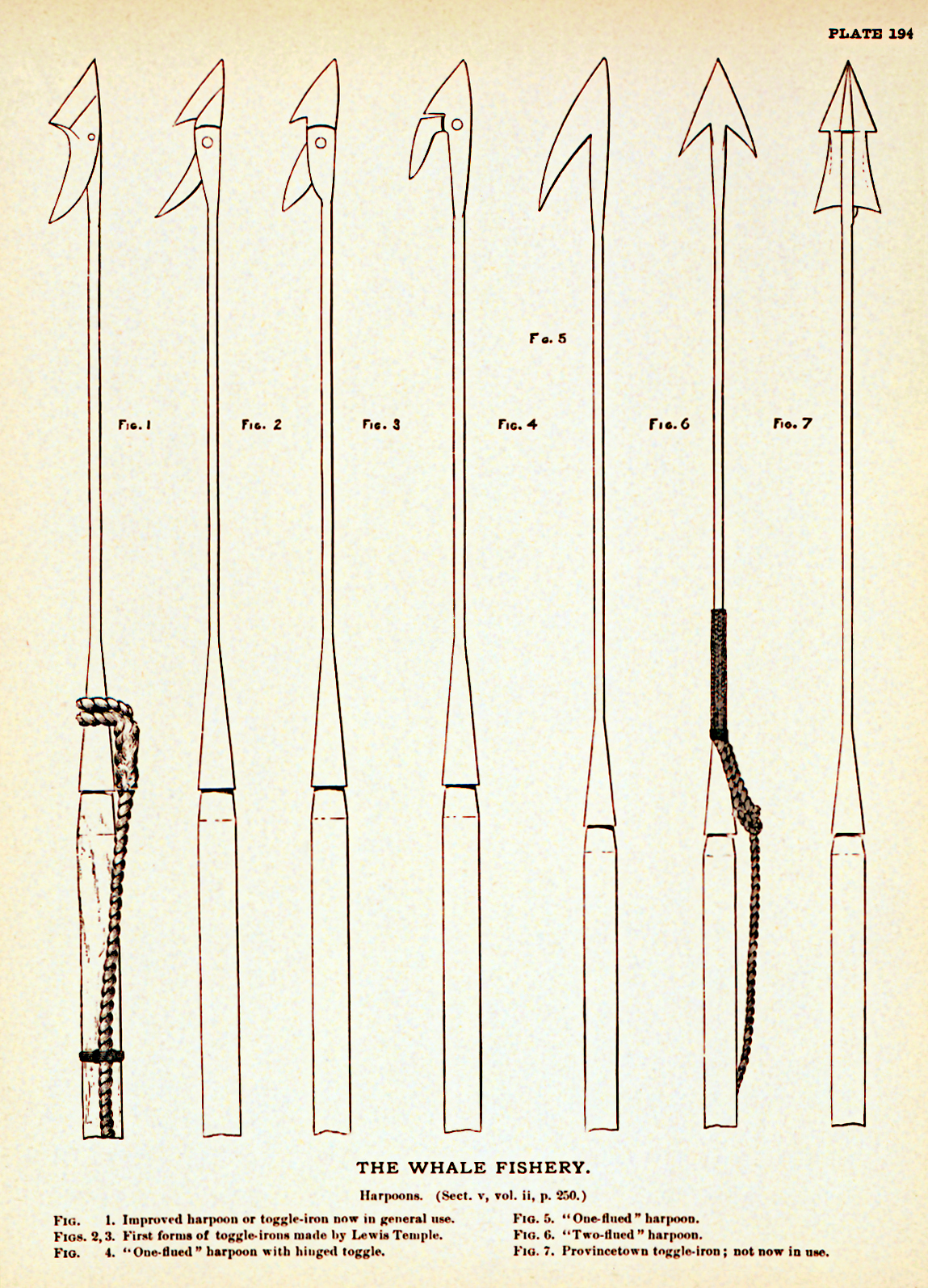
Most harpoons consist of a shaft and a head with one or more barbs or flukes. The head may be fixed, detachable or toggling: a toggling head pivots after penetration and lodges in flesh to resist pull-out. Rear attachments allow a rope or cable to be tied to the butt of the projectile so the hunter can maintain tension; floats, buoys and heavier towing lines are commonly added at the line attachment point to control the catch. Materials have included bone, antler and wood historically, with modern examples using steel, aluminum and composites.
Types and techniques
- Hand-thrown harpoons and simple spear-harpoons used by individuals and small crews.
- Toggling harpoons developed by Arctic and other indigenous peoples for seals and whales.
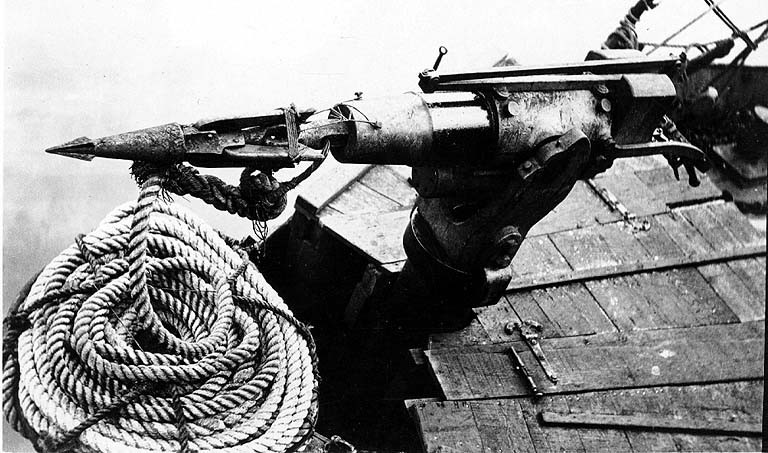
- Mounted and gun-fired harpoons introduced in industrial whaling to increase range and lethality.
- Sport spearfishing devices and pneumatic spearguns that share some principles with traditional harpoons.
History and cultural role
Archaeological finds show that harpoon-like implements are among the oldest maritime hunting tools. Different cultures adapted heads and throwing methods to local species and conditions. In some societies the harpoon has deep cultural significance tied to subsistence, navigation and social organization.
Modern practice, law and ethics
Commercial whaling and large-scale hunting with harpoons are now subject to international agreements and national laws that regulate or prohibit certain methods. Conservation concerns, animal welfare issues and the decline of some marine populations have driven changes in technology and policy. At the same time, a distinction is often made between large-scale commercial whaling and indigenous or subsistence hunting, which may be permitted under specific exemptions. Debates continue over cultural rights, conservation priorities and humane methods of capture.
Other uses and considerations
Beyond hunting, harpoon-derived technologies appear in scientific sampling, tagging and in emergency line-throwing devices. Because a harpoon is capable of penetrating flesh, it may be used as a weapon in non-fishing contexts; for this reason many jurisdictions control ownership and use. For broader context see entries on target species and practical spear-like tools.
Further reading and resources cover traditional construction, modern manufacturing, ethical debates and legal frameworks governing use. Practical safe-use guidance emphasizes appropriate training, line management and respect for conservation rules when harpoon-like tools are employed.
Related articles
Author
AlegsaOnline.com Harpoon: spear-like implement for fishing, whaling, and hunting Leandro Alegsa
URL: https://en.alegsaonline.com/art/42538