
Guano: nutrient-rich excrement used as fertilizer and its history
Guano is the accumulated droppings of bats and birds, rich in nitrogen, phosphate and potassium. This entry explains composition, formation, historical trade, uses in agriculture, and health/environmental concerns.
Overview
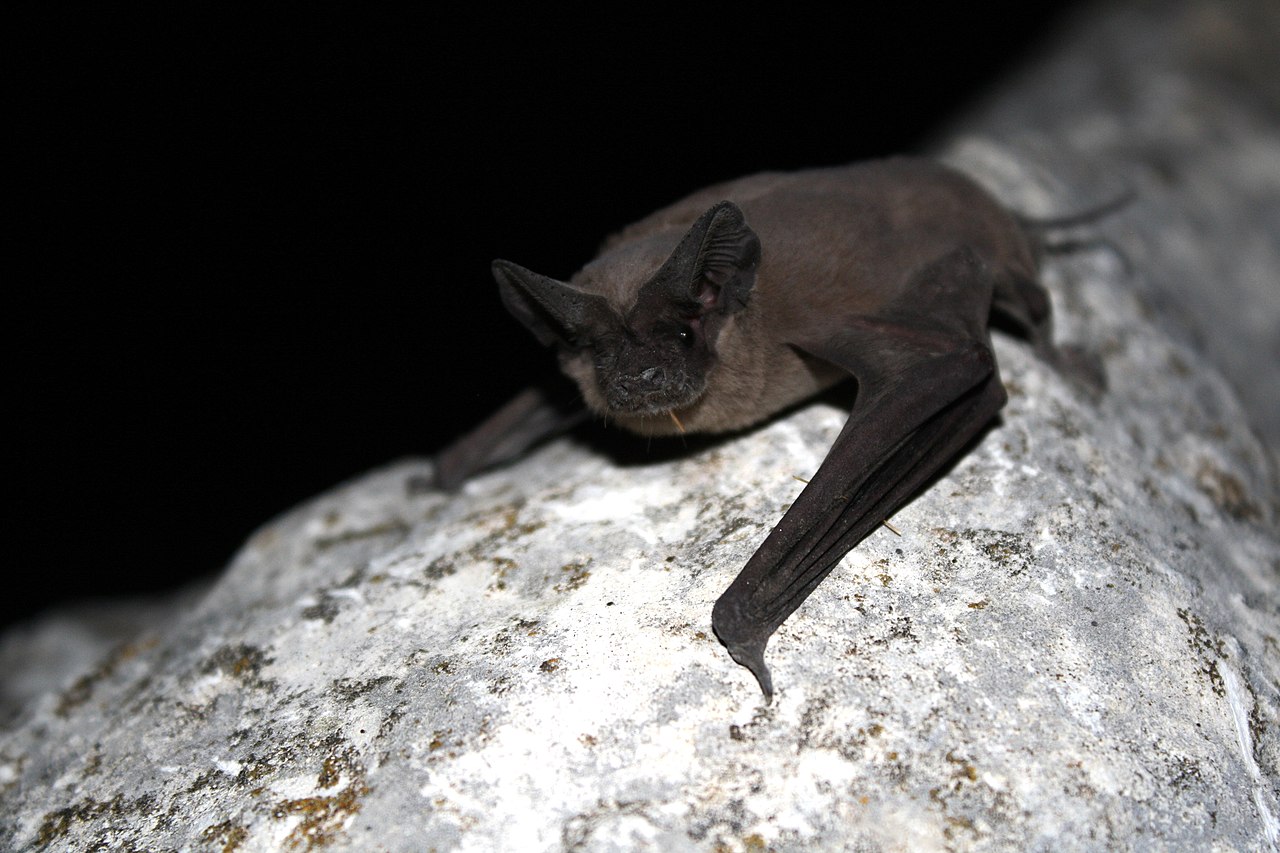
Guano is the dry excrement produced chiefly by colonies of bats and by seabird and shorebird rookeries such as gulls and cormorants (birds). Because it concentrates nutrients and organic matter where animals congregate, guano has long been recognized as an effective soil amendment and source of fertilizer.
Image gallery
10 Images


Composition and properties
Fresh and aged guano vary by species, diet and climate, but they commonly contain high levels of nitrogen, phosphate (phosphorus compounds) and potassium. These essential nutrients support plant metabolism, root development and fruiting. Guano also supplies organic carbon, trace elements and microorganisms; its nutrient concentrations often exceed those of ordinary manure, making it especially prized for intensive or nutrient-poor soils.
Formation and historical importance
Guano accumulates where large numbers of birds or bats roost for long periods—on islands, cliffs and in caves—then dries and mineralizes. In the 19th century, large deposits on Pacific islands and coastal regions became the basis for an international guano trade that boosted agricultural yields and sparked mining activity. Governments sometimes enacted special laws and agreements to control deposits and shipping.
Uses and practical guidance
Guano is applied directly as a concentrated fertilizer or first composted or aged to stabilize nutrients. It is used by home gardeners and organic farmers to improve soil fertility, increase plant growth and feed nutrient-demanding crops. Commercial products often blend guano with other materials to moderate release rates. For general purposes it functions as an organic fertilizer, soil conditioner and source of micronutrients.
Environmental and health considerations
Overharvesting can damage bird and bat colonies and island ecosystems. Handling fresh guano may pose health risks: it can harbor fungal spores and pathogens, so protective measures and proper processing are advised. Excessive application can lead to nutrient runoff and water-quality problems, so soil testing and conservative use are recommended.
Related articles
Author
AlegsaOnline.com Guano: nutrient-rich excrement used as fertilizer and its history Leandro Alegsa
URL: https://en.alegsaonline.com/art/41166