
Group 16 (Chalcogens): Oxygen, Sulfur, Selenium, Tellurium, Polonium, Livermorium
Group 16 of the periodic table — the chalcogens — contains oxygen, sulfur, selenium, tellurium, polonium and the synthetic livermorium. This article explains properties, history, uses and notable facts.
Overview
Group 16 of the periodic table is commonly called the oxygen family or the chalcogens. Members share six valence electrons and show a progression from nonmetallic to metallic character down the column. The naturally occurring series includes oxygen, sulfur, selenium and tellurium; below them are the radioactive polonium and the synthetic element livermorium. Many sources discuss their borderline behavior as metalloids or metals for the heavier members.
Image gallery
10 Images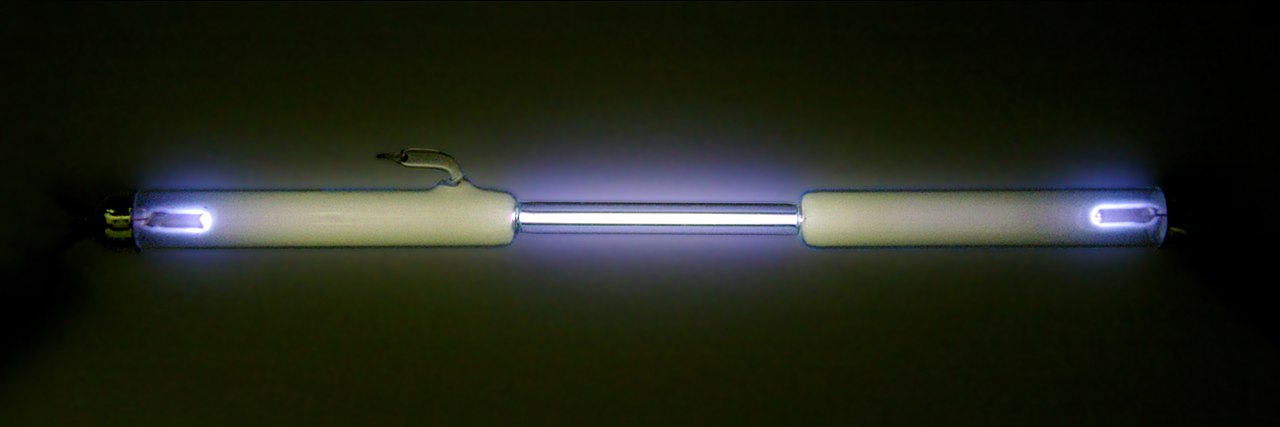

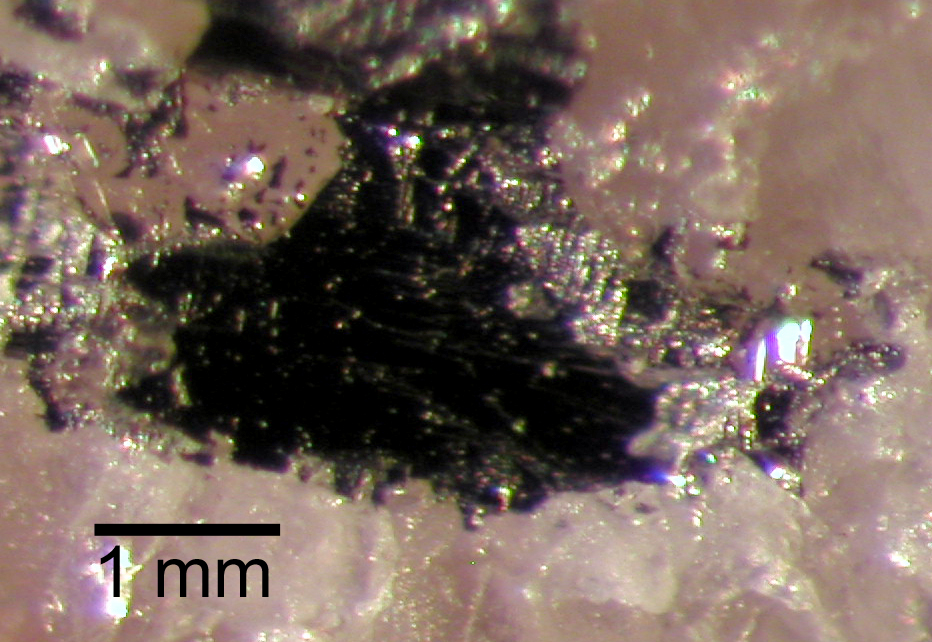
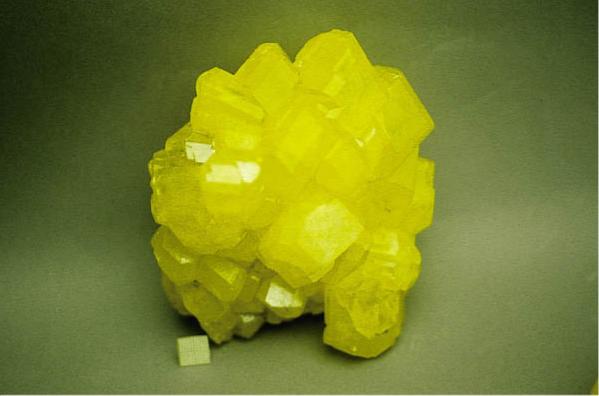


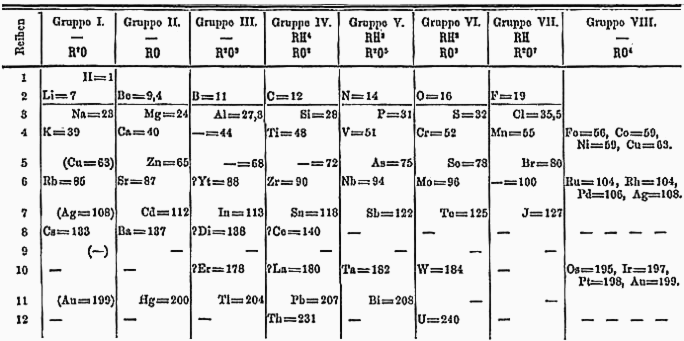
General characteristics
Chalcogens have the electronic configuration that ends in ns2 np4, which typically leads to common oxidation states of −2, +2, +4 and +6 depending on element and chemical context. Electronegativity and ionization energy decrease down the group while atomic radius and metallic character increase. Lighter members form stable oxides and oxyacids; heavier members form a variety of sulfides, selenides and tellurides. Many occur in minerals as sulfides (for example, iron sulfide) and as free sulfur in volcanic regions.
Elements and typical uses
- Oxygen: a diatomic gas essential for respiration and combustion; ozone (O3) is an allotrope of atmospheric importance.
- Sulfur: a yellow solid with several allotropes (S8 rings common); used to make sulfuric acid, fertilizers, vulcanized rubber and pesticides. More on sulfur.
- Selenium: a semiconductor and glass additive, important in electronics and as a trace nutrient; forms selenides and oxyacids. Selenium information.
- Tellurium: a rare, brittle metalloid used in alloys and thermoelectric materials; forms tellurides with many metals. Tellurium details.
- Polonium: a highly radioactive metal discovered in the late 19th century and used in specialized research and neutron sources; handled under strict controls. Polonium notes.
- Livermorium: a laboratory-produced, short-lived transactinide with no practical uses beyond nuclear research. Livermorium.


History and naming
The name "chalcogen" derives from Greek roots meaning "ore-former" because many metal ores are sulfides or other chalcogen compounds. Sulfur has been known since antiquity; oxygen was identified in the 18th century during studies of combustion and respiration. Selenium and tellurium were recognized in the 18th–19th centuries; polonium was discovered by the Curies in the 1890s; livermorium was synthesized in the laboratory in the early 21st century.
Biological and environmental roles
Oxygen sustains aerobic life; sulfur is a component of amino acids (cysteine, methionine) and vitamins; selenium is an essential trace element for certain enzymes but is toxic at higher concentrations. Chalcogen compounds also influence atmospheric chemistry (sulfur and nitrogen oxides affect acid rain; ozone affects UV shielding).
Notable distinctions
Across Group 16 there is a clear shift from nonmetal behavior (reactive gases and molecular solids) to metalloid and then metallic, radioactive behavior. Their chemistry is rich: sulfuric acid is a major industrial chemical, oxygen chemistry underpins respiration and combustion, and heavier chalcogens form important semiconducting and thermoelectric materials. Laboratory-only elements like livermorium illustrate limits of current synthesis and stability in the periodic table.
Related articles
Author
AlegsaOnline.com Group 16 (Chalcogens): Oxygen, Sulfur, Selenium, Tellurium, Polonium, Livermorium Leandro Alegsa
URL: https://en.alegsaonline.com/art/41047