
Tellurium — element Te (atomic number 52)
Tellurium is a rare metalloid element (symbol Te, atomic number 52) in the chalcogen group. It has several naturally occurring isotopes, semiconducting properties, and uses in alloys, thermoelectrics and photovoltaics.
Overview
Tellurium is a chemical element with the symbol Te. It occupies position 52 in the periodic table and is classified as a metalloid in the chalcogen group (group 16). With 52 protons and 52 electrons, tellurium shows properties intermediate between metals and nonmetals: it is brittle and silvery, yet conducts electricity better than typical nonmetals and can form semiconducting compounds.
Image gallery
10 Images


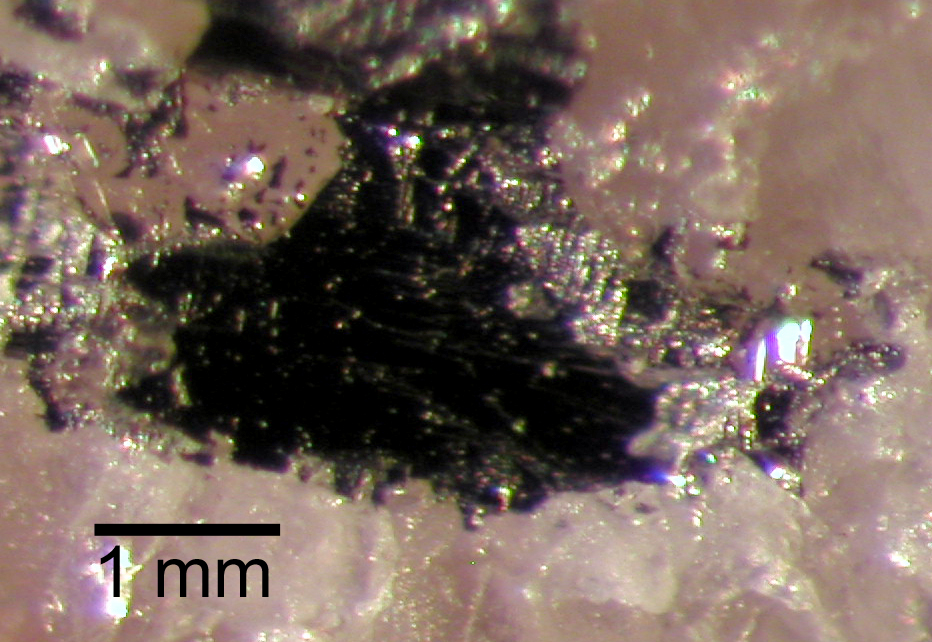
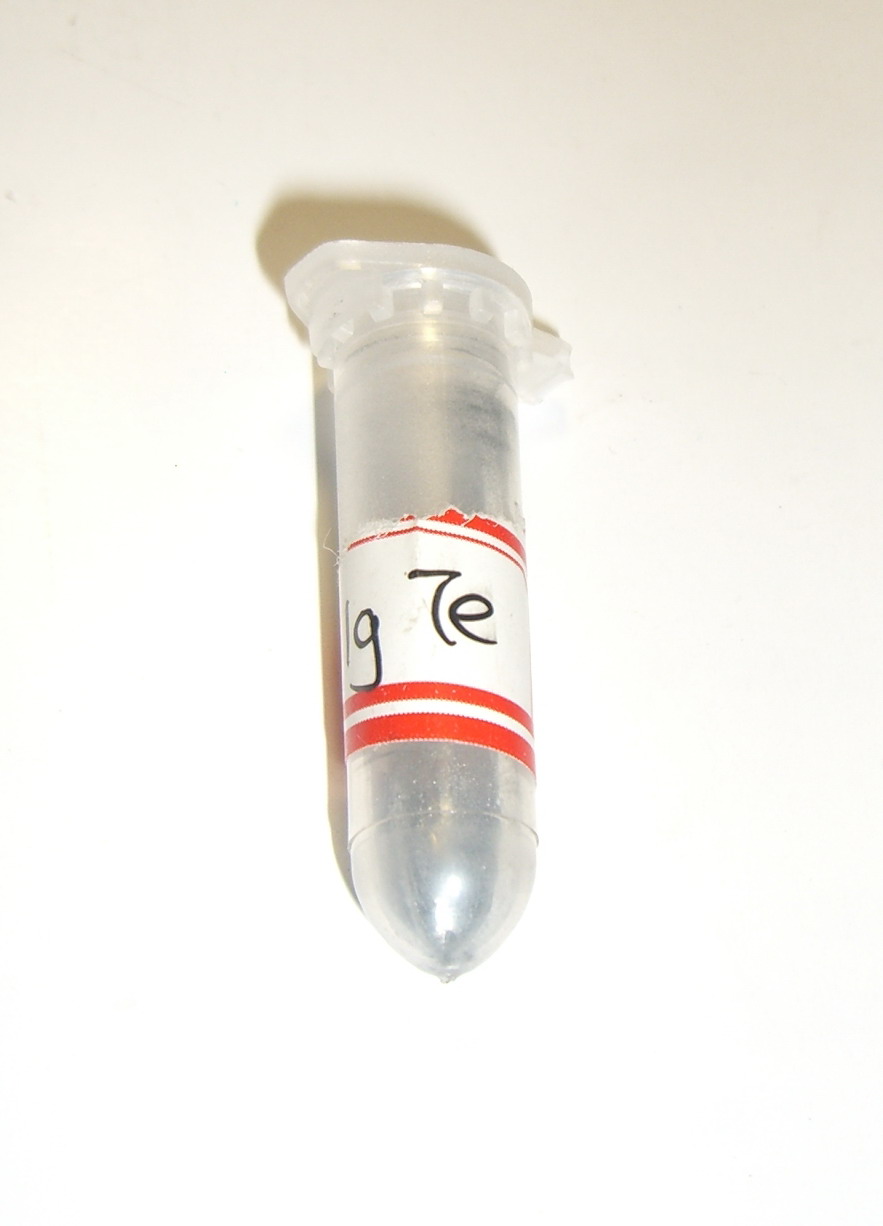
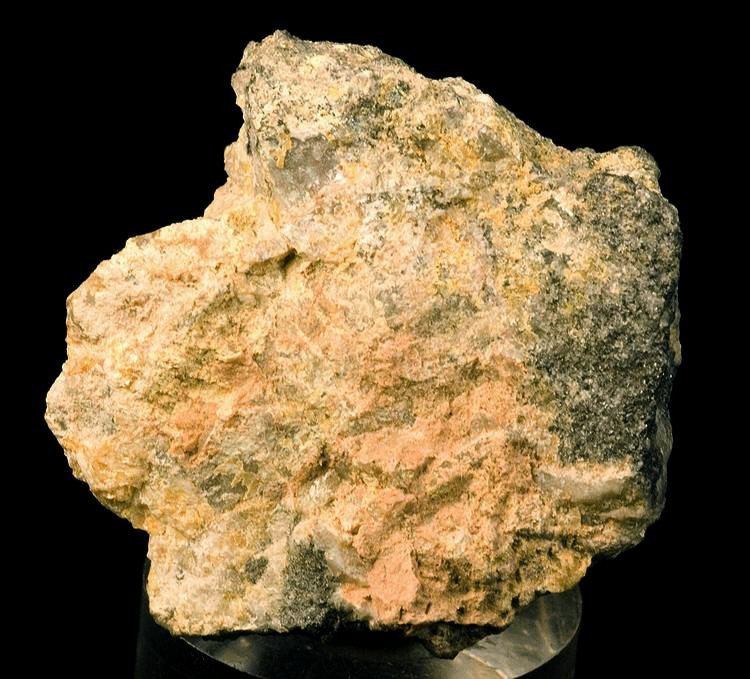


Basic properties
The element has an average atomic mass of about 127.6 and an electronic configuration that reflects a filled 4d shell and p electrons in the fifth shell. Its place in period 5 gives it chemical behavior similar to selenium and sulfur, but with greater metallic character. Tellurium's chemistry features tellurides (compounds with the Te2– anion) and covalent compounds with other nonmetals.
Isotopes and nuclear facts
Tellurium occurs in nature as a mixture of isotopes. It has several naturally occurring nuclides and a mix of what were long considered stable isotopes and very long-lived radioactive isotopes. For example, isotopes with mass numbers corresponding to its naturally occurring forms include nuclides that account for its natural abundance. Some long-lived isotopes undergo rare decay processes; one isotope has an experimentally measured half-life on the order of 2.2×10^24 years. The element's isotopic variety is summarized in technical references and databases (natural isotopes).
History and occurrence
Tellurium was identified in the late 18th century during analysis of gold and copper ores; it was named from the Latin word for earth. It is relatively rare in the Earth's crust—occuring as native tellurium and in telluride minerals—and is most often recovered as a byproduct of copper and gold refining. Its rarity is comparable to that of other precious and noble elements.
Uses and applications
Tellurium has several important technological roles:
- Thermoelectric materials: alloys such as bismuth telluride are widely used for cooling and power generation applications.
- Photovoltaics: cadmium telluride (CdTe) is a major thin-film solar-cell material.
- Alloying agent: small additions improve machinability and properties of copper, steel and other metals.
- Semiconductors and electronic materials: tellurium compounds are used in specialty semiconductors and phase-change memory research.
Safety and notable facts
Tellurium and many of its compounds can be toxic in large amounts; inhalation or ingestion may cause unpleasant effects (characteristic garlic-like odor on the breath or skin is commonly reported). Handling in industrial settings follows standard controls for dust and fumes. For further technical data and references, see specialized chemical databases and handbooks (atomic number 52, 52 protons, 52 electrons).
Questions and answers
Q: What is Tellurium?
A: Tellurium is a chemical element.
Q: What is the chemical symbol and atomic number of Tellurium?
A: The chemical symbol of Tellurium is Te and its atomic number is 52.
Q: How many protons and electrons does Tellurium have?
A: Tellurium has 52 protons and 52 electrons.
Q: What is the mass number of Tellurium?
A: The mass number of Tellurium is 127.6.
Q: How many natural isotopes does Tellurium have?
A: Tellurium has 8 natural isotopes.
Q: How many stable and radioactive isotopes does Tellurium have?
A: Tellurium has 4 stable and 4 radioactive isotopes.
Q: What is the half life of the longest-lasting radioactive isotope of Tellurium?
A: The half life of the longest-lasting radioactive isotope of Tellurium is 2.2 x 1024 years.
Related articles
Author
AlegsaOnline.com Tellurium — element Te (atomic number 52) Leandro Alegsa
URL: https://en.alegsaonline.com/art/96867
Sources
- wikidata.org : wikidata.org/wiki/Q1100
- catalogo.bne.es : XX530277
- catalogue.bnf.fr : cb12138330x
- data.bnf.fr : (data)
- d-nb.info : 4184665-5
- id.loc.gov : sh85133642
- id.ndl.go.jp : 00572907