
Green River — major tributary of the Colorado River
The Green River is the largest tributary of the Colorado River, rising in Wyoming and flowing through Utah into Lake Powell. Its course, canyons, reservoirs, dams, ecology and recreational use are described here.
Overview
The Green River is a principal river of the western United States, rising in the mountains of Wyoming and flowing generally south through Utah before joining the Colorado River. At roughly 730 miles in length, it is the largest single tributary of the Colorado and has played a central role in the geology, ecology and water management of the Colorado River Basin.
Image gallery
10 Images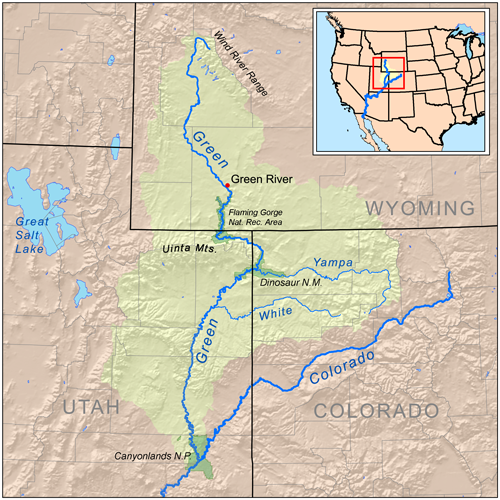




Course and physical features
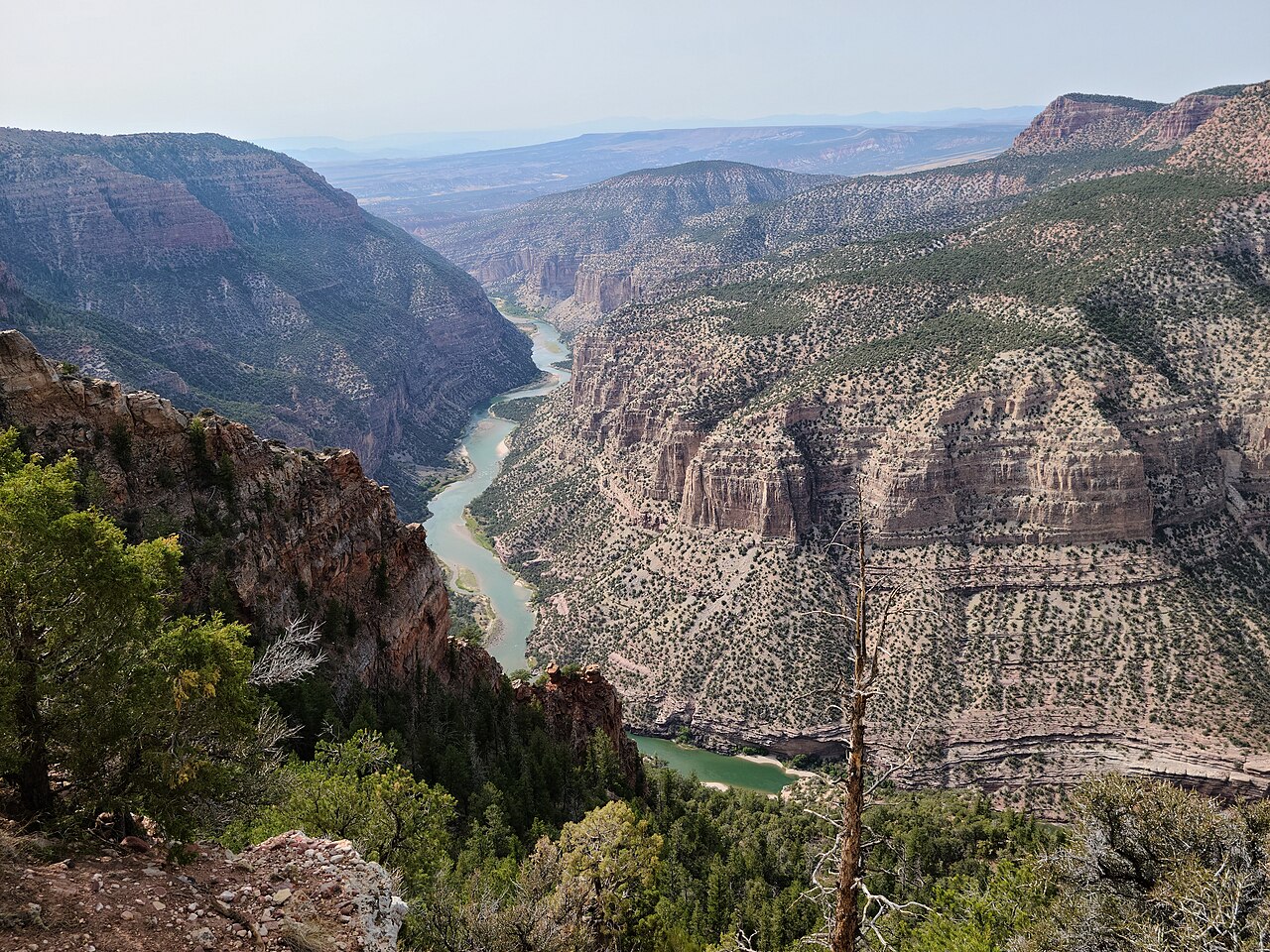
The river's headwaters begin in high alpine terrain of the Wind River Range. From there the Green River descends through valleys and narrow gorges, is impounded in a number of reservoirs, and proceeds around the flanks of the Uinta Mountains into the broad, arid plateaus to the south. Notable impoundments include the Fontenelle area and the large Flaming Gorge Dam and its reservoir. Downstream the river leaves the reservoirs and flows into a sequence of deep, sculpted canyons across the high-elevation desert-like Colorado Plateau before meeting the Colorado River and then entering Lake Powell, created by the Glen Canyon Dam.
Tributaries and landscape
The Green receives several important tributaries along its length. Among the largest are rivers that drain the eastern plateaus and mountains and add both water and sediment to the Green's flow. Those inflows helped carve the spectacular canyon country found in the river's lower stretches and are significant for regional hydrology and habitat.
Human uses and infrastructure
Over the 20th century the Green River became a managed water resource: dams and reservoirs were built for water storage, flood control, irrigation and hydroelectric power. These facilities altered natural flows and sediment transport, producing benefits for agriculture and municipal use while also creating complex legal and environmental issues across basin states. Reservoirs and regulated reaches are also popular for boating and fishing, while the free-flowing canyon sections are famous for multi-day whitewater and scenic trips.
Ecology and cultural history
The Green River corridor supports a range of ecosystems from mountain riparian woodlands to desert streamside communities; it is home to native fishes and other species, some of which have been affected by flow changes and non-native species. Indigenous peoples occupied the river region for millennia, and Euro-American exploration — including the 19th-century expeditions that mapped the Colorado River system — contributed to scientific and popular knowledge of the river.
Notable facts and recreational opportunities
- The Green is often identified as the largest tributary of the Colorado River and has been central to downstream water allocation.
- Major reservoirs and dams along the river include Fontenelle and Flaming Gorge, while its confluence region feeds Lake Powell behind Glen Canyon Dam.
- Wild river sections and canyon runs attract paddlers, rafters and anglers seeking long, remote trips through dramatic canyons.
For more on regional geology, management and recreation see regional resources and park information available through local land managers and river organizations (river overview, Wyoming, Utah, basin summaries at national and technical sites).
Additional references on the Green's hydrology, fisheries and cultural history are maintained by federal and state agencies as well as conservation groups working in the Colorado River Basin (Colorado River Basin, Wind River Range, regional landscapes, canyon studies, and reservoir pages at Lake Powell and Glen Canyon Dam).
Related articles
Author
AlegsaOnline.com Green River — major tributary of the Colorado River Leandro Alegsa
URL: https://en.alegsaonline.com/art/40702