
Greene County, Georgia
Greene County is a historic, largely rural county in east-central Georgia. Founded in 1786 with Greensboro as its seat, it has agricultural roots, historic districts, and recreational areas.
Overview
Greene County is a county in the U.S. state of Georgia. Established on February 3, 1786, it was named for Continental Army general Nathanael Greene. According to the 2010 census, the population was 15,994. The county seat is Greensboro, a small town that serves as the administrative and cultural center of the county. The county retains a predominantly rural character, with a mix of farms, forests and small residential communities, and it lies within reach of larger regional centers.
Image gallery
2 Images
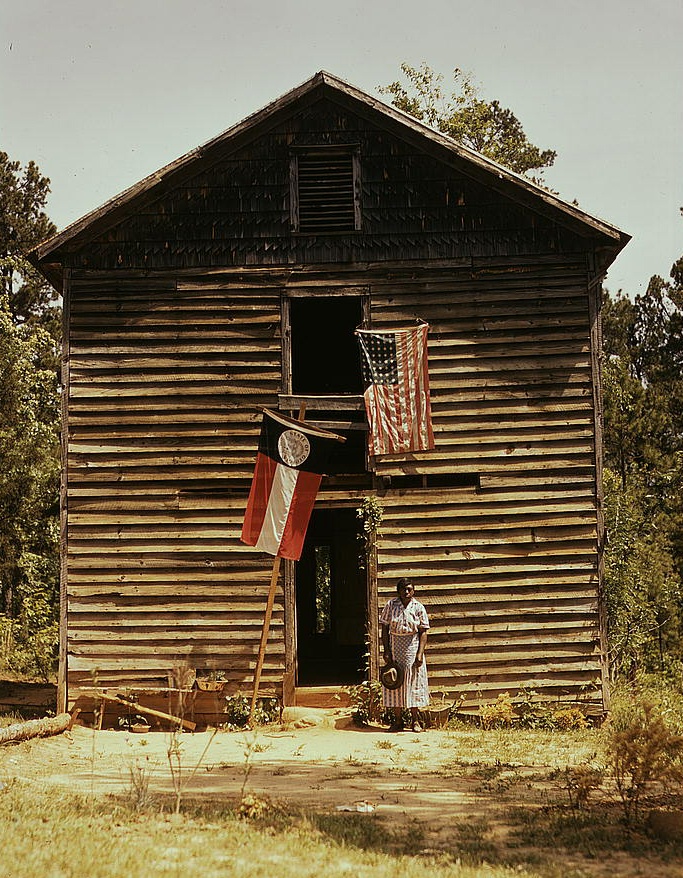
Geography and environment
The county occupies a portion of east‑central Georgia with rolling terrain, agricultural fields and wooded tracts. Local waterways and constructed reservoirs contribute to the landscape and offer recreational opportunities such as boating, fishing and wildlife viewing. Much of the land supports timber, row crops and pasture, producing a lower population density than nearby urbanized counties. Seasonal patterns and long‑term land use influence local ecosystems and conservation efforts.
History
Created in the aftermath of American independence, the county is one of Georgia's earlier political subdivisions. Its name honors a Revolutionary War leader and reflects the 18th‑century practice of commemorating national figures. Greensboro and other communities in the county contain historic buildings and districts from the 19th century, including county courthouses, churches and residences that illustrate antebellum and post‑bellum development. Local historical societies and archives preserve records and promote public history programs.
Demographics and economy
The population has historically been dispersed among small towns and rural properties. The local economy is based on agriculture, timber and related industries, supplemented by small manufacturing, retail and service sectors that provide employment for residents. Many households have connections to nearby metropolitan areas for additional employment, education and services. Economic development efforts often focus on balancing the county's rural character with opportunities for sustainable growth.
Culture, attractions and recreation
Greensboro's historic district and courthouse square are focal points for community life, with festivals, markets and public events that draw residents and visitors. The county's natural areas support hiking, birdwatching and water recreation. Small museums, historic homes and local festivals interpret regional history and traditions. Tourism and heritage activities contribute to local identity and the preservation of historic resources.
Government, services and education
Local government provides services such as public safety, road maintenance, land use planning and records management. Educational services are administered by the county school system and are supplemented by regional institutions and vocational programs. Health care, retail and professional services are a mix of county facilities and private providers. Transportation is largely by road, with state highways and county roads connecting communities.
- More about Greensboro
- Revolutionary War era context
- Military and historical references
- County overview • State resources • Regional context • Census data • County seat information
For official information, planning resources and current statistics consult county offices and state publications. Local historical organizations and archives provide further detail on heritage sites, genealogical records and architectural surveys. Visitors and researchers often begin with county government pages and regional tourism resources to plan visits and access primary sources.
Related articles
Author
AlegsaOnline.com Greene County, Georgia Leandro Alegsa
URL: https://en.alegsaonline.com/art/40722
Sources
- quickfacts.census.gov : "State & County QuickFacts"
- naco.org : "Find a County" · web.archive.org