
Tributary (river): definition, types, and significance
A tributary is a stream or river that flows into a larger stream, river, or lake. This article explains definitions, characteristics, hydrology, uses, and distinctions such as distributaries.
Overview
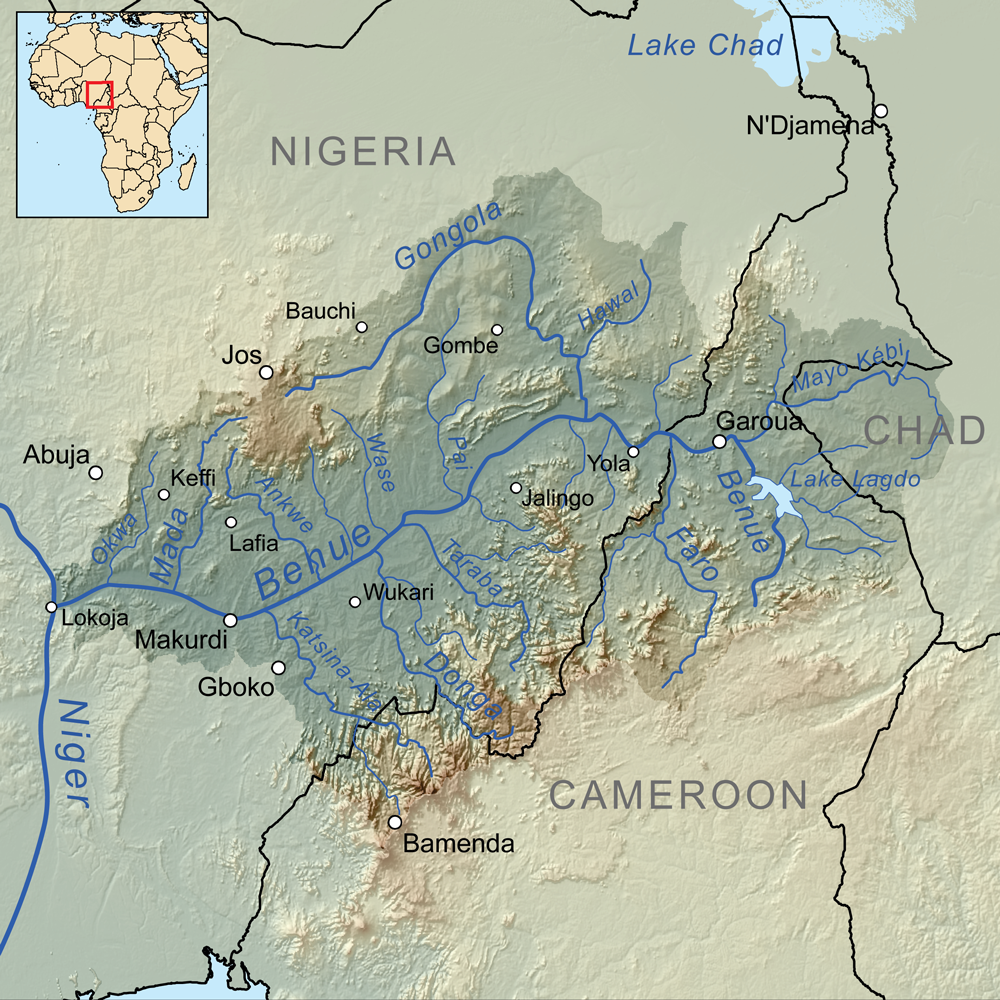
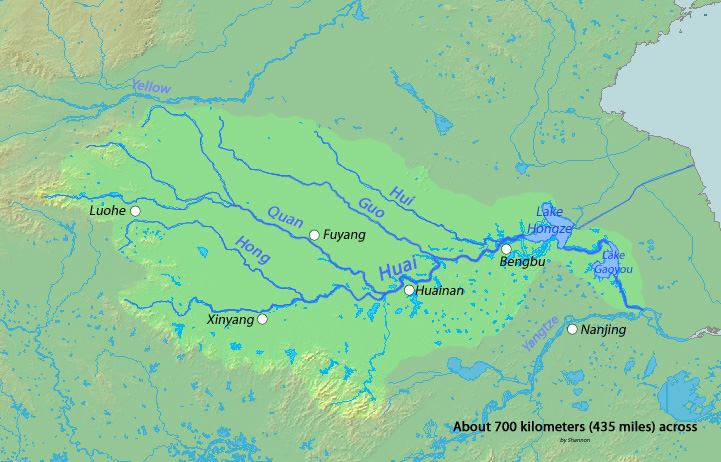
A tributary is a stream or river that contributes its water to a larger stream, river, or other body of water. Tributaries do not flow directly into the sea; instead they join another channel and increase its flow. The place where two streams meet is called a confluence. In everyday language the smaller channel is often described as a tributary of the larger, though in some cases the tributary may carry more water or be longer than the stream it joins.
Image gallery
10 Images





Common characteristics
- Mainstem and headwaters: The mainstem is the primary downstream channel; tributaries feed into it, and together they form a drainage network.
- Left and right tributaries: Orientation is given looking downstream; a tributary entering from the left bank is a left tributary.
- Hierarchy and ordering: Streams can be classified by systems such as stream order, which ranks tributaries by their branching complexity.
- Variability: Tributaries range from small seasonal creeks to large perennial rivers that contribute substantial discharge.
How tributaries form and function
Tributaries arise from rainfall, groundwater springs, meltwater, and runoff. They shape landscapes by eroding, transporting, and depositing sediment. Within a watershed or drainage basin, tributaries collect water from their subcatchments and funnel it toward the main channel. Their flow regimes—timing and volume of water—depend on climate, geology, vegetation, and human activities such as land use and damming.
Uses, ecology, and human importance
Tributaries supply water for agriculture, industry, and towns and create habitats for fish, amphibians, and riparian plants. They are important corridors for biodiversity and can influence water quality downstream. People use tributaries for navigation when large enough, as sources for irrigation, and sometimes for hydropower. Management of tributaries affects flood risk, sediment balance, and ecosystem health in the larger river system.
Distinctions and notable facts
The opposite of a tributary is a distributary, a branch that leaves the main channel, commonly found in a river delta; see an example at a river delta. Terminology can be fluid: a stream that appears smaller at the confluence may actually contribute more water upstream, as in well-known cases where a named tributary is longer than the receiving river. For practical definitions and maps, consult local hydrographic resources or a glossary such as hydrology reference.
Author
AlegsaOnline.com Tributary (river): definition, types, and significance Leandro Alegsa
URL: https://en.alegsaonline.com/art/101465