
The Greek Underworld: Hades, Realms, Rivers, and Afterlife Beliefs
Overview of the Greek underworld: its ruler, geography, rivers, guardians, destinations for the dead, variations in myth, and cultural influence across antiquity and later traditions.
The Greek conception of the underworld was a complex and evolving set of ideas about where the dead went and how they were judged. The realm itself is frequently called Hades and is presided over by the god Hades. As a place rather than merely a state, it is described in myth as a separate domain reached by crossing boundaries guarded and marked by special features and beings. For a concise introduction to the general topic see Greek underworld.
Image gallery
10 Images






Principal features and inhabitants
The entrance to the underworld is usually depicted as guarded. Most famously a great dog with multiple heads stands watch; authors name the creature the three-headed dog and more commonly the name Cerberus. Souls were ferried across the waters by the boatman Charon, traditionally granted passage only after a coin was given as payment. The landscape inside is structured around several rivers and notable places that together form the underworld’s geography.
- The Acheron — often called a river of woe.
- The Cocytus — associated with lamentation.
- The Phlegethon — a stream of fire or burning river.
- The Styx — the river of unbreakable oaths by which gods swear, frequently referenced in literature as Styx.
- The Lethe — the river of forgetfulness, linked with oblivion and rebirth in some traditions.
Judgment and destinations
After arrival the dead were subject to assessment by three judges—Minos, Rhadamanthus, and Aeacus—who determined their fate. Different outcomes were envisioned:
- The majority led a shadowy, neutral existence often called the Fields of Asphodel.
- Exceptional mortals and favored heroes might be granted a blissful place such as the Elysian Fields, sometimes described as a pleasant plain or island; exemplary individuals could even attain the Isle of the Blessed after repeated births. Many ancient heroes and heroes are associated with this reward.
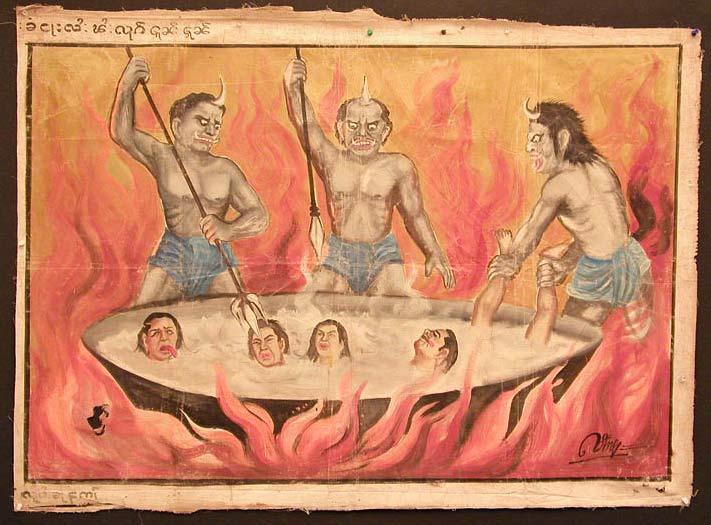
- The wicked received harsh treatment in punitive realms—sometimes called the Fields of Punishment—or were consigned to the deeper prison of Tartarus.
Tartarus, Titans, and special cases
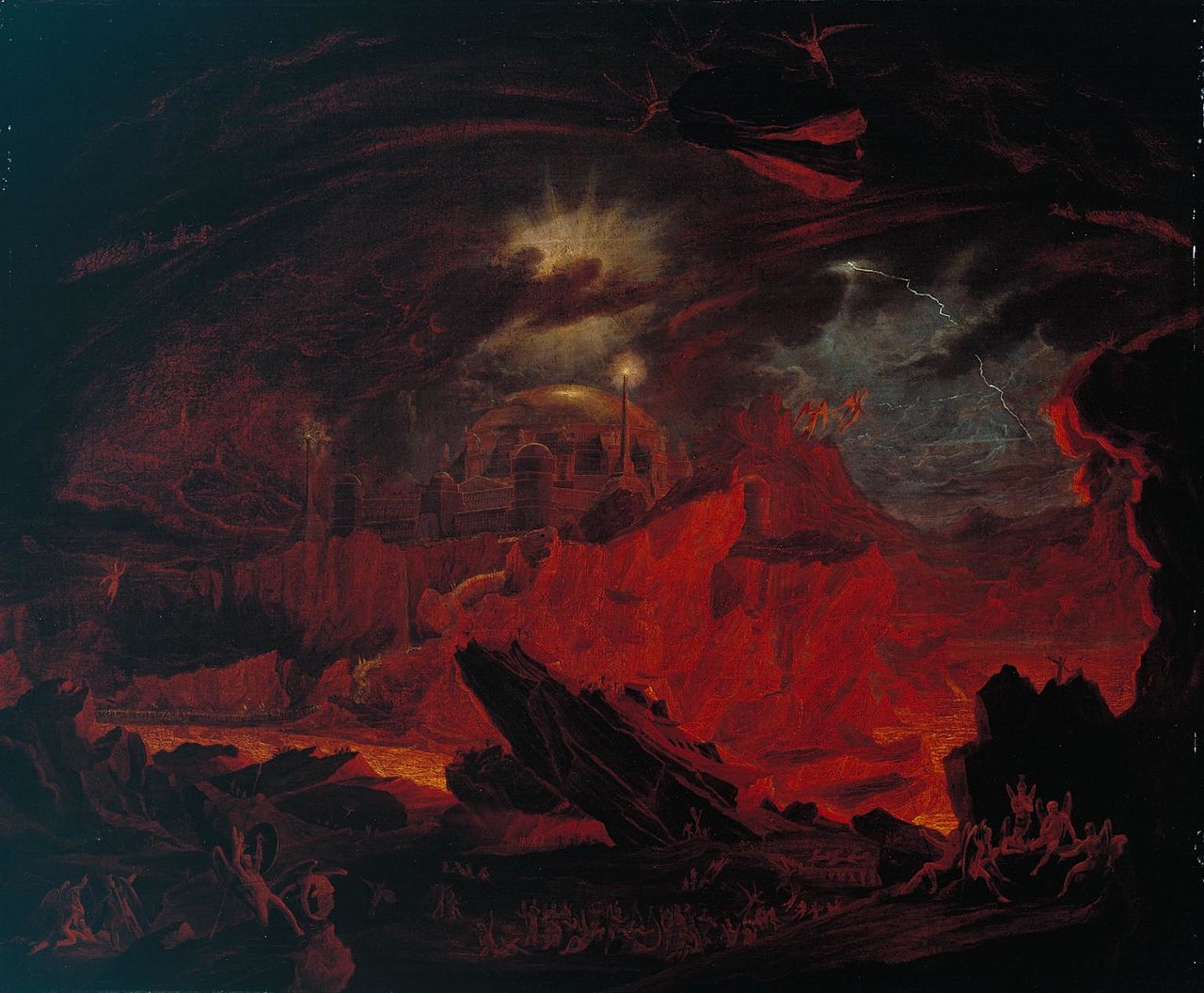
Tartarus occupies the lowest, most dreadful level of the underworld, serving both as a primordial entity and a place of confinement. Immortal foes of the Olympian order, such as the elder god Kronos and many of the Titans, are described as imprisoned there. Tartarus overlaps conceptually with punitive spaces and differs from the regular realm of the dead and from Elysium. The larger mythic framework reflects conflicts between the old and new divine generations, including the circle of gods known collectively as the Twelve Olympians.
Origins, variations, and cultural legacy
Descriptions of the underworld vary between sources. Homeric epics present a dim, shadow-filled realm where life is attenuated; Hesiod elaborates with more structured destinations like Elysium and Tartarus. Later religious and philosophical currents, including Orphic and mystery traditions, emphasized purification, the cycle of rebirth, and the role of the Styx and underworld rivers in cosmic order. These ideas influenced Roman adaptations, classical art, funerary practice, and later Western literature and art. The underworld’s imagery—ferrying by a boatman, a guardian hound, judges and rivers—remains one of the most enduring legacies of ancient Greek thought and continues to appear in literature, visual arts, and modern retellings.
For thematic and comparative readings, see accounts that treat the underworld as both location and metaphor for death, memory, and moral reckoning. Scholarly and popular discussions often emphasize how myths about the underworld reflect ancient attitudes toward justice, the afterlife, and the proper care of the dead in rituals and burials.
Related articles
Author
AlegsaOnline.com The Greek Underworld: Hades, Realms, Rivers, and Afterlife Beliefs Leandro Alegsa
URL: https://en.alegsaonline.com/art/40644