
Hanasaka Jiisan — The Old Man Who Made Flowers Bloom
Hanasaka Jiisan is a Japanese folktale—literally 'old man who made flowers bloom'—about kindness, a faithful dog, magic ashes that cause trees to blossom, and the punishment of envy. Popular since the Edo period.
Hanasaka Jiisan (花咲か爺) is a well-known folktale from Japan. The title means "old man who made flowers bloom" and the core narrative celebrates generosity and poetic transformation: a humble elder uses a miraculous method to bring blossoms to trees, while a covetous neighbor suffers for his cruelty. The story became widely circulated during the Edo period (1603–1868) and remains a staple of Japanese oral and children's literature.
Image gallery
2 Images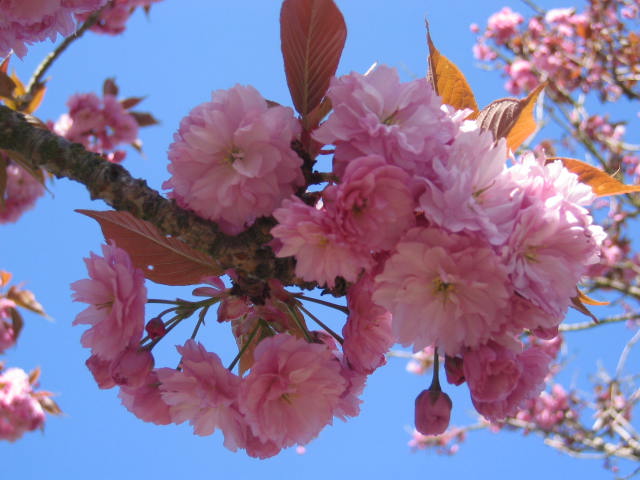

Plot summary
Although versions vary, a typical telling features an elderly childless couple and their loyal dog. The dog discovers a buried trove or otherwise rewards the couple. In gratitude or by accident the old man scatters ashes or sprinkles a special dust that causes dead or barren trees to burst into bloom. Envious neighbors attempt to imitate or sabotage them; their wrongdoing is exposed and they receive a fitting punishment, while the kind protagonists are rewarded.
Characters and motifs
- The kind old man and his wife: embodiments of humility and devotion.
- The faithful dog: an animal helper who leads to fortune or vindication.
- Magic ashes or powder: a means of miraculous renewal and symbolic of transformation.
- The envious neighbor: a foil whose greed brings retribution.
History and variants
Hanasaka Jiisan has numerous regional variants across Japan and appears in many collections of traditional tales. Elements such as a treasure, a magic word, or different punishments for the villain change with local retellings. The story fits a common folktale pattern that rewards kindness and condemns envy, and it has analogues in other cultures where miraculous blooming or animal helpers figure prominently.
Cultural importance and adaptations
The tale has been retold in picture books, school readers, stage performances and animations, serving both entertainment and moral education. Its imagery — blossoms suddenly appearing on bare branches — has been used in art, theater and seasonal storytelling to evoke renewal and the rewards of compassion. Hanasaka Jiisan remains a recognizable example of Japanese folktale motifs and the didactic tradition of folk storytelling.
Notable facts
Beyond its moral lesson, the story preserves folkloric themes of transformation, reciprocity between humans and animals, and a direct link between good conduct and natural bounty. As with many traditional tales, its precise details shift with each retelling, but its central message—kindness rewarded, envy punished—remains constant.
Related articles
Author
AlegsaOnline.com Hanasaka Jiisan — The Old Man Who Made Flowers Bloom Leandro Alegsa
URL: https://en.alegsaonline.com/art/42145