
Guinevere — Arthurian queen and central figure in the Lancelot legend
Guinevere is the legendary wife of King Arthur whose love for Lancelot and contested loyalties shape many Arthurian romances and later cultural retellings.
Overview
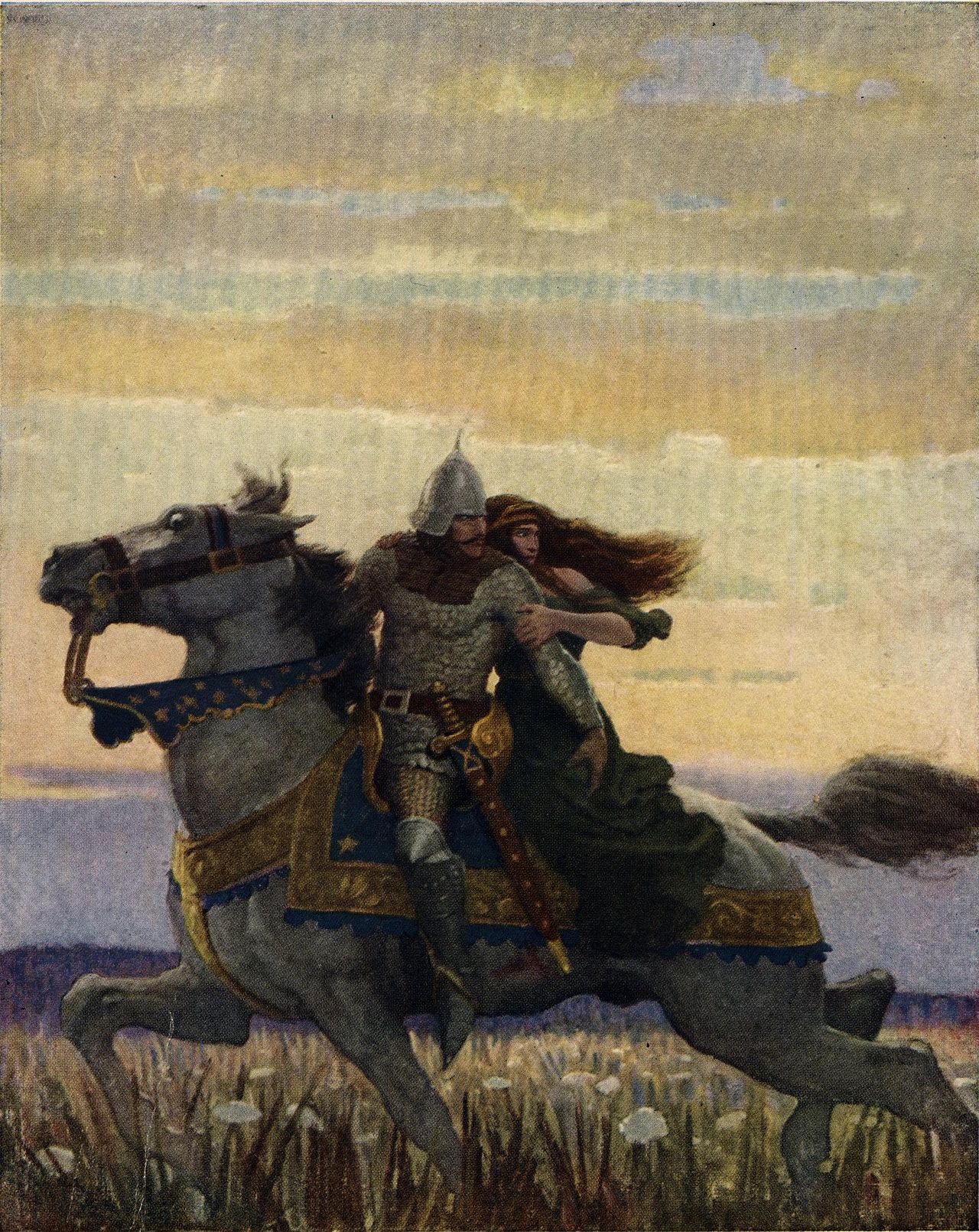
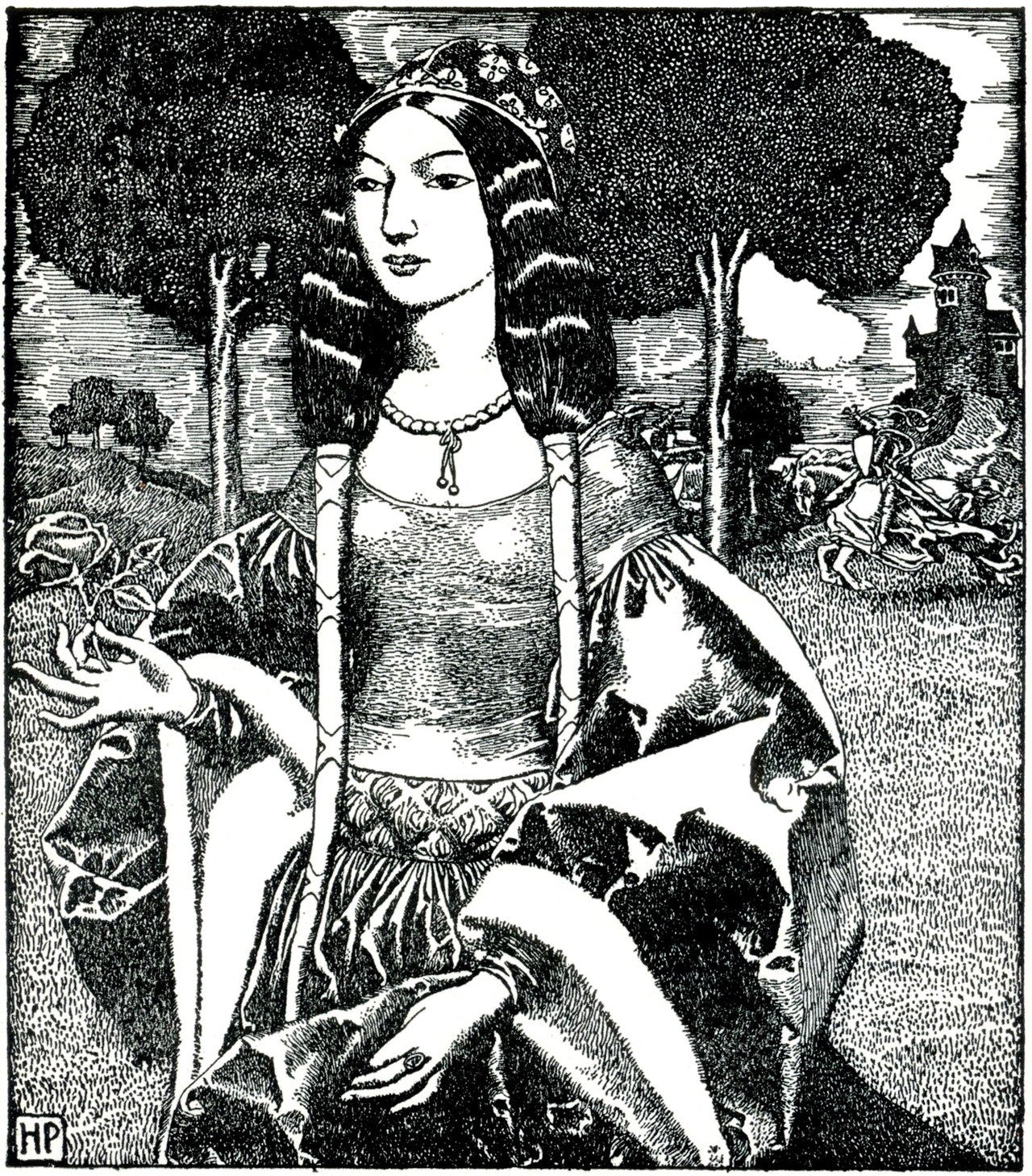
Guinevere is a principal figure in the body of tales known as the Arthurian legend. Traditionally presented as the wife of King Arthur, she is most famous for her relationship with the knight Lancelot. Accounts vary, but many narratives link Guinevere's love and choices to conflicts that contribute to the downfall of the court at Camelot.
Image gallery
10 Images




Origins and name
The name Guinevere descends from older Welsh forms such as Gwenhwyfar, widely interpreted to mean a form of "white" or "fair" woman. Early references to Arthurian characters appear in medieval chronicles and Welsh tradition; the figure of Guinevere developed across French and English romances from the 12th century onward.
Literary development
Guinevere's portrayal changed as poets and prose writers expanded the cycle. In some continental romances she becomes the focus of courtly love narratives, notably those involving Lancelot. Later prose cycles and the English compilation tradition treated her story in different ways—sometimes emphasizing scandal and betrayal, sometimes repentance and suffering.
Character and themes
Writers have presented Guinevere in varied roles: as a political queen, a tragic lover, a woman torn between duty and desire, or a figure punished for adultery. Her story invites themes of loyalty, honor, gender and power, and has been used to examine the tensions between private feeling and public duty.
Legacy and portrayals
Guinevere appears in medieval romances, Renaissance and Victorian adaptations, modern novels, plays, film and television. Creators have reinterpreted her as victim, villain, or complex historical woman; the character remains a popular subject in retellings and scholarly work on the Arthurian tradition.
Notable distinctions
- Different traditions present different outcomes for Guinevere—ranging from execution or exile in some versions to religious retirement in others.
- Her relationship to the knights of the Round Table and to Arthur himself is a central concern of the cycle.
- Modern scholarship studies Guinevere as both a literary construct and a symbol of shifting cultural attitudes toward women and authority.
Because the Arthurian corpus is composite and adaptive, Guinevere's character continues to evolve in new retellings and artistic responses.
Related articles
Author
AlegsaOnline.com Guinevere — Arthurian queen and central figure in the Lancelot legend Leandro Alegsa
URL: https://en.alegsaonline.com/art/41317