
Gordon Parks: photographer, filmmaker, writer, and composer
Gordon Parks (1912–2006) was an American photographer, musician, writer and film director whose photojournalism and films addressed race, poverty and civil rights and helped open Hollywood to Black creators.
Gordon Roger Alexander Buchanan Parks (November 30, 1912 – March 7, 2006) was an American photographer, musician, writer and movie director. Born in Fort Scott, Kansas, he rose from humble origins to become a prominent visual storyteller. Parks died in Manhattan from cancer at the age of 93.
Image gallery
6 Images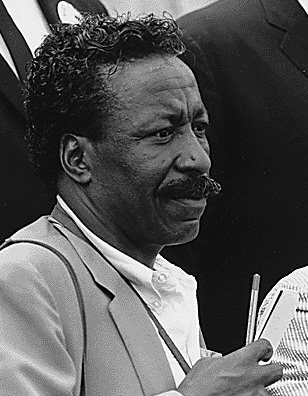


Career in photography
Parks is best known for documentary photo essays and striking portraits produced in the 1940s and after. As a staff photographer for national magazines he used images to expose poverty, segregation and everyday dignity, creating memorable sequences that combined composition, light and social commentary. His journalistic work helped expand public awareness of the conditions facing many Americans; he also photographed fashion and celebrities with a distinctive, humanizing eye. Many readers associate Parks’s name with powerful single images and extended photographic stories that blend artistry with civic purpose. Photo essays by Parks remain widely studied.
Film and writing
In addition to books and memoirs, Parks moved into filmmaking and became one of the first African Americans to direct and produce major studio features. His semi‑autobiographical film The Learning Tree (1969) and the popular 1971 film Shaft demonstrated his range from personal drama to mainstream entertainment. Shaft is often cited as a touchstone for the blaxploitation era, while Parks’s broader film work helped create opportunities for Black filmmakers and actors within Hollywood and beyond. He was recognized for directing and producing major films at a time when few people of color held such roles.
Music, books and other work
Parks composed music, wrote novels and essays, and published several volumes of photography. His written work and scores complemented his visual projects, reflecting recurring themes of resilience, identity and social justice. As a writer he drew on experience and observation; as a musician and arranger he contributed to soundtracks and performances that accompanied his films and exhibitions.
Legacy and significance
Parks’s career spanned journalism, fine art and popular culture. He used the camera and the camera’s narrative power to argue for change, while his success in motion pictures challenged industry barriers. His portraits of public figures and private lives continue to be reproduced in books, exhibitions and curricula, and his life story remains a frequently cited example of artistic achievement that intersected with the civil rights movement and American visual culture. He received critical acclaim and numerous honors in recognition of a career that reshaped how stories about race and society were told in the twentieth century. Further reading and retrospectives are available from archives and museums. Photography collections and film retrospectives keep his work in active circulation. Film studies, photojournalism classes and cultural institutions continue to examine his influence.
- Early life: rural upbringing in Kansas shaped his themes.
- Photographic style: documentary, portraiture, social realism.
- Film milestones: The Learning Tree (1969) and Shaft (1971).
Related articles
Author
AlegsaOnline.com Gordon Parks: photographer, filmmaker, writer, and composer Leandro Alegsa
URL: https://en.alegsaonline.com/art/39758
Sources
- nytimes.com : "Gordon Parks, a Master of the Camera, Dies at 93"