
Fort Scott, Kansas
Fort Scott is a city in southeastern Kansas, the county seat of Bourbon County, known for its 19th‑century military post, National Historic Site, and historic cemetery.
Fort Scott is a city in southeastern Kansas and the county seat of Bourbon County. It sits on the Marmaton River about 88 miles south of Kansas City. The city is best known for its preserved 19th‑century military post and related historic sites. According to the 2010 census reported by the U.S. Census, the population was 8,087. The community takes its name from General Winfield Scott.
Image gallery
5 Images

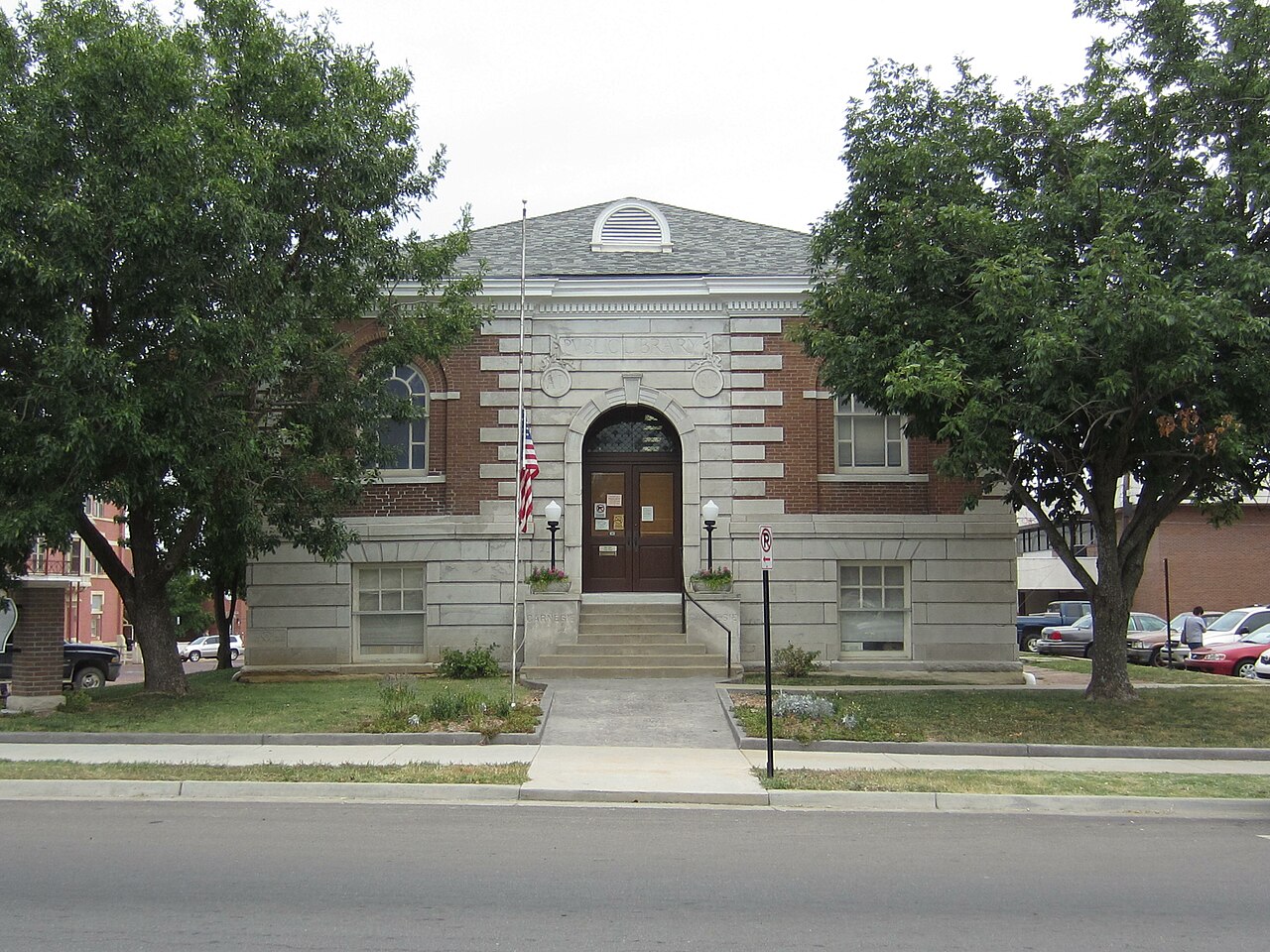
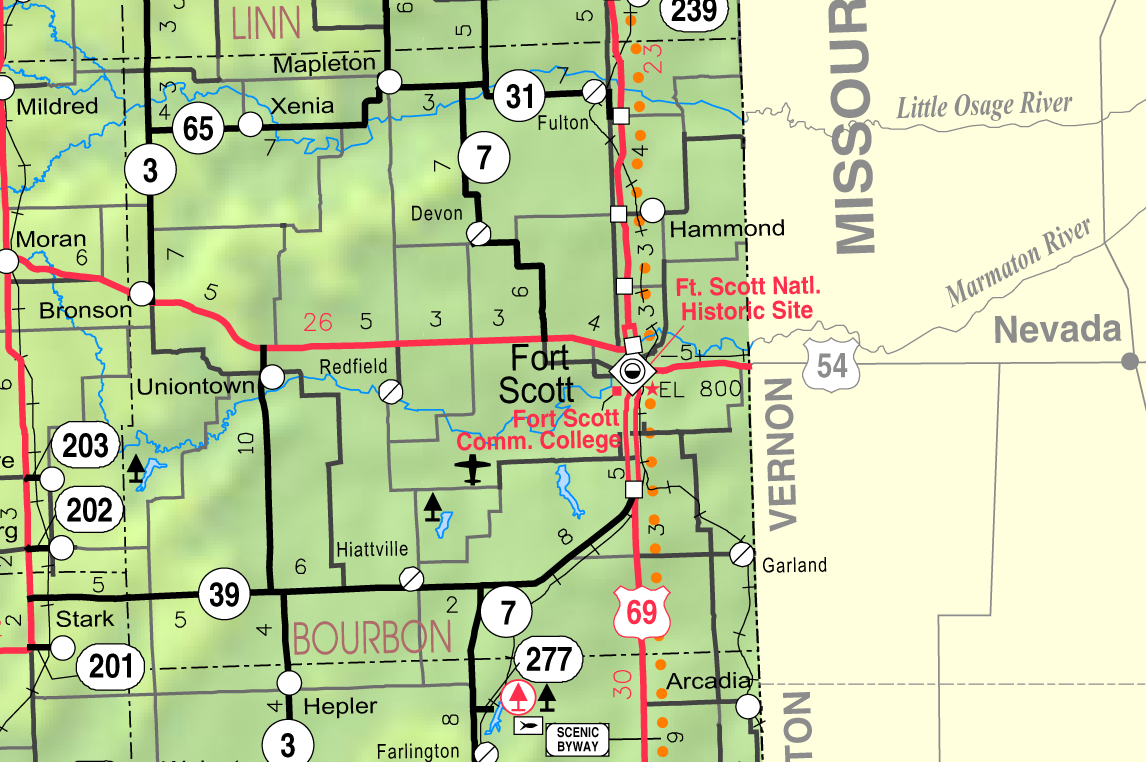

Overview
Fort Scott originated as a U.S. Army fort intended to protect the newly opened frontier and to secure the border and transportation routes. Over time the military post stimulated civilian settlement and commerce, and the town that grew around the fort eventually became the county seat. Today Fort Scott preserves both the fort compound and a national cemetery that together tell a story of military, frontier and Civil War‑era life.
History and development
The military post at Fort Scott was established in the early 1840s and served as a government presence on the frontier during a period of westward expansion and increasing regional tension. After the Army abandoned active operations at the site, civilian institutions and businesses remained, and the town developed in the mid‑19th century. Fort Scott experienced growth linked to agriculture, trade along river and rail routes, and later to historic preservation and tourism centered on the old fort.
Geography and demographics
Situated on the Marmaton River, Fort Scott occupies a position in a mix of rolling prairie and river valley landscape typical of southeastern Kansas. Its role as a county seat means it functions as a local center for government services and regional commerce. Demographic patterns have reflected small‑city trends in the region, with historic neighborhoods, commercial corridors, and civic buildings clustered near the original fort area.
Historic sites, culture and tourism
Key attractions include the Fort Scott National Historic Site and the Fort Scott National Cemetery. The historic site preserves original structures, reconstructed barracks, parade grounds, and interpretive exhibits illustrating life at a mid‑19th‑century Army post. Visitors come for guided tours, educational programs, reenactments, and local festivals that celebrate the town's history. Other cultural resources include museums, preserved downtown architecture, and small galleries that document regional heritage.
Economy, education and community life
Fort Scott's economy combines public services, local retail, healthcare, light industry and an emphasis on heritage tourism. The city is served by community and technical colleges and local schools that support workforce development and civic participation. Community events, historic preservation groups and volunteer organizations play an important role in maintaining Fort Scott's historic character and in promoting heritage‑based economic activity.
Notable facts and distinctions
- Fort Scott is recognized for one of the more intact examples of a frontier military post preserved within a National Historic Site.
- The adjacent national cemetery preserves military burials and reflects the site's long association with U.S. military history.
- The city balances historic preservation with modern civic life, drawing visitors who are interested in American frontier, military and Civil War‑era history.
For more information about local government, attractions and visiting hours, consult official resources and tourism guides linked by local authorities and heritage organizations. Additional material and research collections can be found through regional archives and historical societies that maintain documents and artifacts related to Fort Scott's past.
Bourbon County information and further reading are available for those researching local records or planning a visit.
Related articles
Author
AlegsaOnline.com Fort Scott, Kansas Leandro Alegsa
URL: https://en.alegsaonline.com/art/35775
Sources
- naco.org : "Find a County" · web.archive.org
- factfinder2.census.gov : "2010 City Population and Housing Occupancy Status" · web.archive.org
- books.google.com : The Origin of Certain Place Names in the United States