
Gorgias: Sicilian sophist, rhetorician, and skeptical writer
Gorgias of Leontini (c. 487–376 BC) was a leading Greek sophist and rhetorician known for his ornate style, influential speeches, and a skeptical treatise traditionally ascribed to him.
Overview
Gorgias of Leontini was a prominent fifth‑century BC Greek teacher of rhetoric whose reputation rests on powerful public speaking, stylistic innovation, and a small body of surviving fragments. Born in the Sicilian city of Leontini and active in mainland Greece, he is counted among the earliest sophists and is often listed with figures such as Protagoras. Ancient sources describe him both as a master rhetorician and, in some testimonies, as a thinker with paradoxical or skeptical arguments about existence and language; modern scholarship treats those attributions cautiously.
Image gallery
3 Images

Life and historical context
Gorgias lived during the same broad generation as other itinerant teachers who charged fees for instruction in public speaking, argument, and civic excellence. He is variously described as a Presocratic-era figure in the sense of being earlier than classical philosophers, though his interests were principally rhetorical. Tradition connects him with the intellectual milieu of Sicily and southern Italy, and some accounts suggest he spent time at the court culture of Syracuse and lectured in Athens.
Writings and surviving fragments
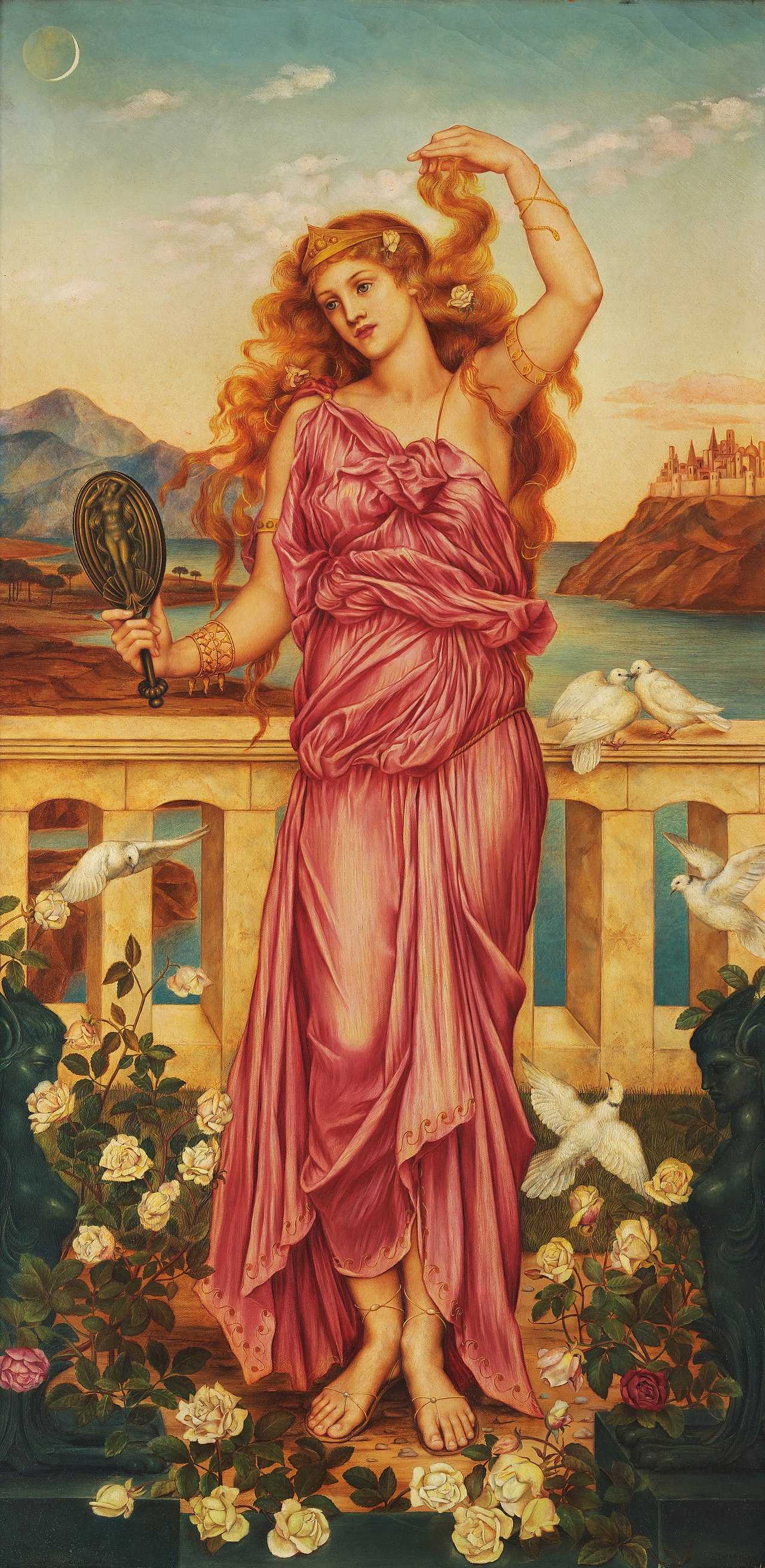
Only a few substantial pieces or fragments survive. The most often cited are the Encomium of Helen and the Defense of Palamedes, rhetorical exercises that defend maligned figures by means of forensic and deliberative argument. A short, provocative treatise traditionally titled On Nature or On the Non‑Existent is quoted in later skeptical reports and attributed to him, presenting a threefold skeptical thesis often paraphrased in modern summaries.
Rhetorical method and style
Gorgias is remembered less for systematic philosophy than for techniques that heightened persuasion and style. Key features attributed to his approach include:
- carefully crafted periodic sentences and balanced clauses;
- use of paradox, antithesis, and vivid imagery to unsettle audiences;
- a showmanship that emphasized form and emotional force as much as argumentative content;
- an interest in how language can move and shape belief.
These traits made him influential among later teachers of rhetoric and a target for critics who worried that persuasive skill could be divorced from moral truth.
Philosophical claims and reception
Plato famously criticized the sophists and devotes a dialogue titled Gorgias to a debate about rhetoric, justice, and the good life. Ancient doxographers also report that Gorgias studied with or was influenced by figures such as Empedocles, though chronological overlap makes precise teacher–pupil relations uncertain. Later skeptics cite the alleged negative claims about existence and communication; historians note that these bold statements may have been rhetorical devices rather than a developed metaphysical system.
Legacy and notable facts
As a cultural figure, Gorgias helped define the role of the professional rhetorician in Greek civic life. He is a key reference point for discussions of the sophists (the sophistic movement), and his persona appears in many later accounts of classical education and controversy. Modern readers encounter him through editions and commentaries that assemble the surviving fragments and testimonia; for introductory studies and fragment collections see general reference works and specialized editions (primary dialogues, rhetoric, Sicilian background, philosophical context, sophistic studies).
Related articles
Author
AlegsaOnline.com Gorgias: Sicilian sophist, rhetorician, and skeptical writer Leandro Alegsa
URL: https://en.alegsaonline.com/art/39774